

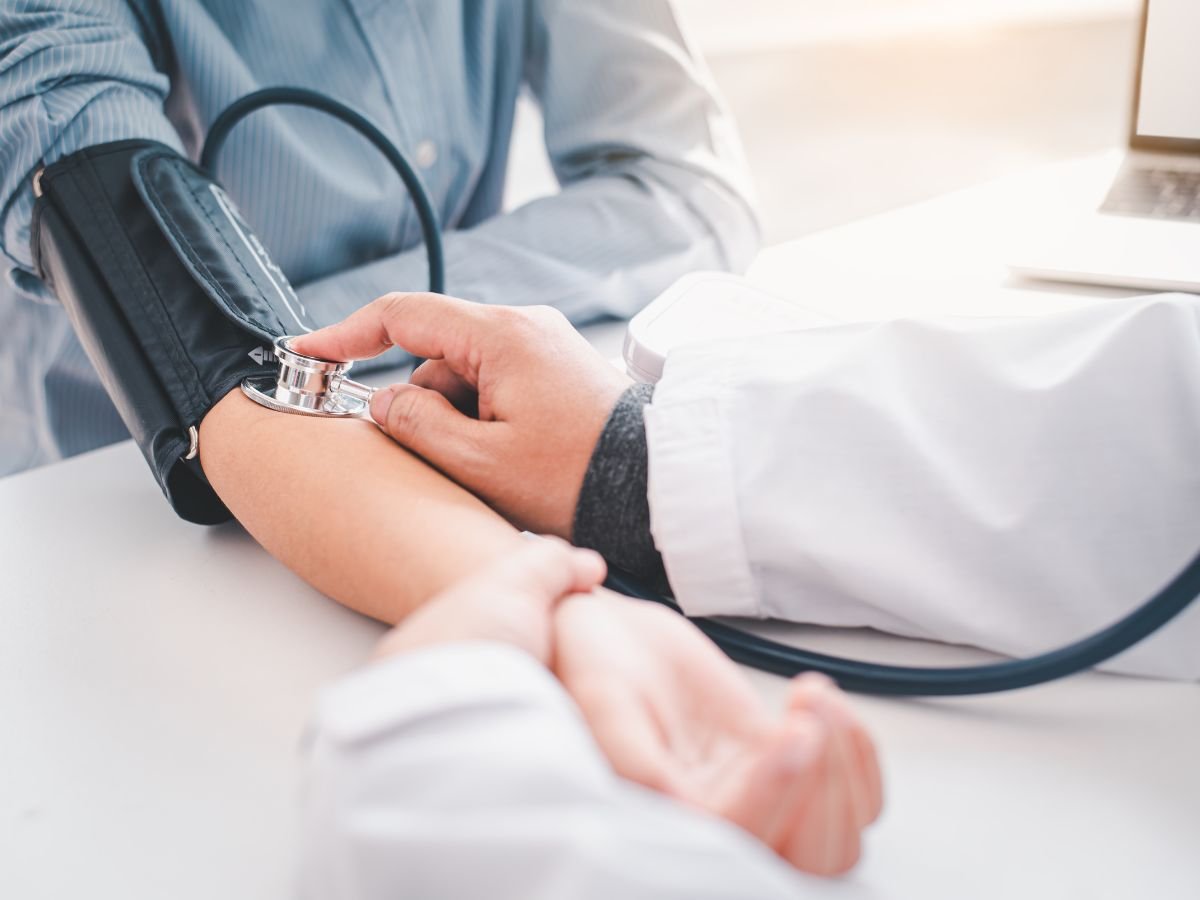
New Delhi, 15 November, 2025: High blood pressure—also known as hypertension—is one of the most common and dangerous health conditions worldwide. Often called the “silent killer,” it usually develops without obvious symptoms. Many people don’t realize they have high blood pressure until it leads to serious complications like heart attack, stroke, kidney disease, or vision loss.
The good news? Hypertension is highly manageable and often preventable. But early detection is the key. Understanding the warning signs—especially the subtle ones—is crucial for protecting your long-term health.
This article explores the early symptoms of high blood pressure, the less common signs, and what you should do if you notice them.
Why High Blood Pressure Is So Dangerous
Blood pressure measures the force of blood pushing against the walls of your arteries. When this pressure is consistently too high, it causes the arteries to harden and narrow. Over time, this damages vital organs like the heart, brain, kidneys, and eyes.
Because hypertension often has no obvious symptoms, it can quietly damage the body for years. This is why you should never wait for symptoms to appear—regular monitoring is essential.
However, some early warning signs can indicate that your blood pressure is elevated or rising.
Early Warning Signs of High Blood Pressure
While many people experience no symptoms at all, some do notice subtle changes. These symptoms may appear when blood pressure becomes dangerously high or fluctuates suddenly.
Here are the early warning signs you should never ignore:
1. Frequent Headaches—Especially in the Morning
One of the most commonly reported symptoms of elevated blood pressure is a pounding headache, often felt at the back of the head.
These headaches:
- Occur more frequently in the morning
- Feel like a pressure or tightness in the head
- May worsen when you wake up suddenly or bend down
Headaches can have many causes, but persistent morning headaches can be an early sign of hypertension.
2. Dizziness or Lightheadedness
Feeling dizzy isn’t always due to dehydration or standing up too fast. High blood pressure can reduce blood flow to the brain, leading to:
- Sudden lightheadedness
- A sensation of being off balance
- Fainting episodes (in severe cases)
If dizziness is recurring or unexplained, it’s important to check your blood pressure.
3. Blurred or Distorted Vision
Your eyes are extremely sensitive to changes in blood pressure. High blood pressure can damage blood vessels in the retina, causing:
- Blurred vision
- Double vision
- Seeing floaters
- Sudden loss of vision in severe cases
If visual changes occur suddenly, it may indicate a hypertensive crisis—this requires immediate medical attention.
4. Shortness of Breath
Feeling breathless after walking a short distance or climbing stairs may signal your heart is working too hard. High blood pressure strains the heart, making it less efficient at pumping blood.
Breathlessness may be accompanied by:
- Chest tightness
- Rapid heartbeat
- Fatigue after mild activity
This symptom should never be ignored.
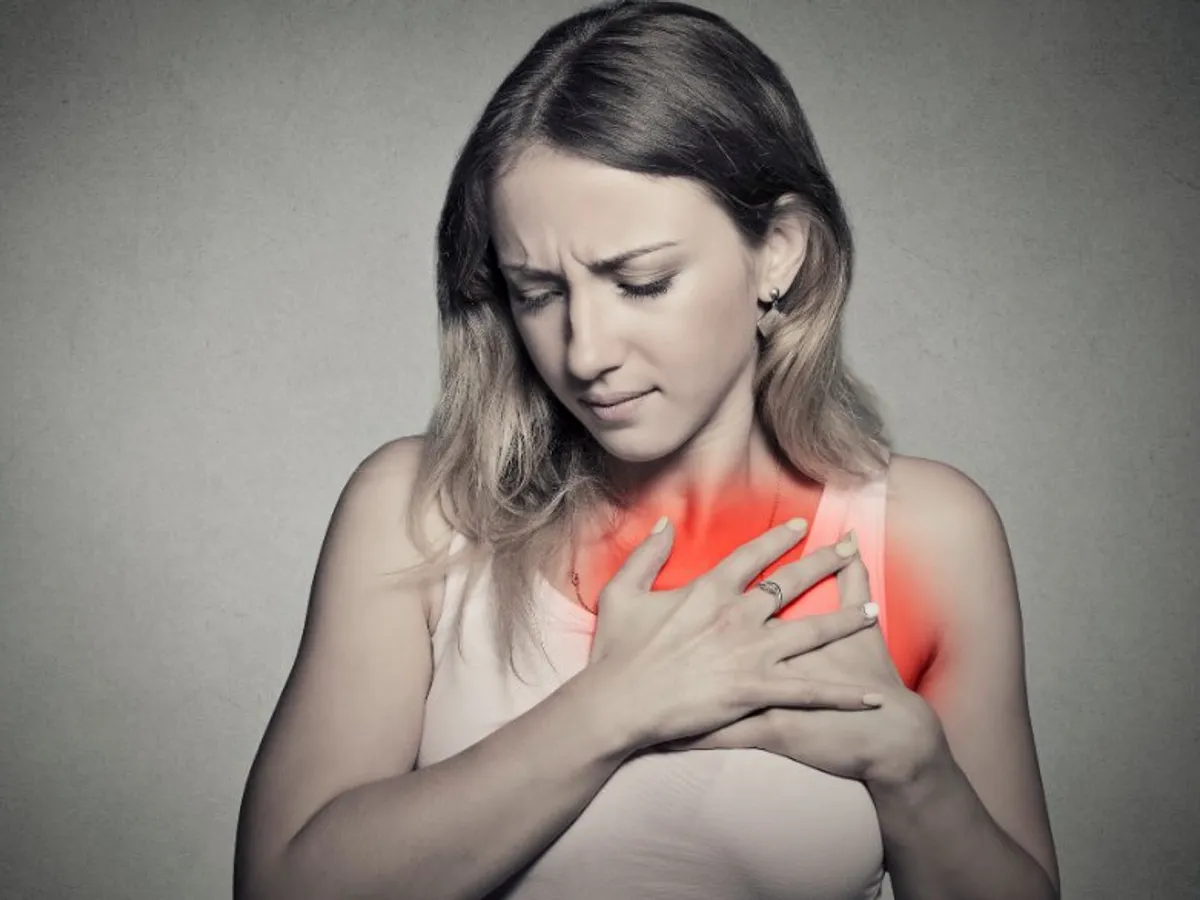
5. Chest Pain or Pressure
Chest pain is one of the most alarming symptoms related to high blood pressure.
It may feel like:
- Tightness
- Pressure
- A squeezing sensation
- Discomfort radiating to the left arm, jaw, or back
Chest pain can indicate heart disease or even a heart attack. Seek immediate medical help if this occurs.
6. Irregular Heartbeat or Palpitations
High blood pressure increases the workload on your heart, which can lead to irregular rhythms such as:
- Rapid heartbeat
- Skipped beats
- Fluttering sensations in the chest
Occasional palpitations are common, but frequent episodes may signal hypertension or heart strain.
7. Fatigue or Unusual Tiredness
When blood pressure is too high, the body uses extra energy to pump blood. This can cause:
- Persistent tiredness
- Lack of motivation
- Feeling weak even after rest
If fatigue feels unusual or lasts for weeks, high blood pressure may be a hidden cause.
8. Nosebleeds
Nosebleeds aren’t usually caused by hypertension—but sudden, frequent, or unexplained nosebleeds can signal extremely high blood pressure.
If nosebleeds occur with headache or dizziness, get your blood pressure checked immediately.
9. Facial Flushing (Sudden Redness)
Stress, heat, spicy foods, or alcohol can cause facial redness—but frequent flushing may also signal unstable blood pressure.
Flushing alone is not enough for diagnosis, but when combined with other symptoms, it may indicate hypertension.
10. Tingling or Numbness
Poor circulation caused by high blood pressure can lead to:
- Numbness in hands or feet
- A pins-and-needles sensation
- Weak grip strength
These signs often appear when hypertension has started affecting nerves and blood vessels.
Hypertensive Crisis: Emergency Symptoms
A hypertensive crisis occurs when blood pressure spikes dangerously high (usually 180/120 mmHg or above). This is a medical emergency.
Symptoms include:
- Severe headache
- Chest pain
- Shortness of breath
- Severe anxiety
- Confusion
- Nosebleeds
- Blurred or lost vision
- Nausea or vomiting
Seek immediate medical attention—this condition can lead to stroke or organ damage if not treated quickly.
Who Is Most at Risk?
While anyone can develop high blood pressure, certain factors increase risk:
- Family history of hypertension
- Excess body weight
- High salt diet
- Sedentary lifestyle
- Smoking or alcohol consumption
- Chronic stress
- Diabetes, kidney disease, or hormonal disorders
- Age above 40
- Poor sleep quality or sleep apnea
If you fall into any of these categories, regular blood pressure checks are essential.
What to Do If You Notice These Symptoms
If you recognize any of the symptoms listed above, here’s what you should do:
1. Measure Your Blood Pressure
Use a home monitor or visit a clinic.
Readings of:
- Below 120/80: Normal
- 130–139/80–89: Elevated
- 140+/90+: High (seek medical advice)
- 180+/120+: Emergency
2. Track Changes
Record your readings for a week to observe patterns.
3. Consult a Doctor
Even mild symptoms should be discussed with a healthcare provider.
4. Make Lifestyle Adjustments
These include:
- Reducing salt intake
- Losing excess weight
- Exercising regularly
- Improving sleep
- Managing stress
- Avoiding smoking and alcohol
5. Take Medications if Prescribed
Never skip or stop BP medications without medical advice.
Prevention: The Best Protection Against Hypertension
Here are simple habits that significantly lower your risk:
Eat a heart-healthy diet
Choose: fruits, vegetables, whole grains, lean protein, and low-fat dairy.
Limit salt to less than 1 teaspoon per day
Salt directly increases blood pressure.
Stay active
Aim for 30 minutes of moderate exercise a day.
Manage stress
Try yoga, deep breathing, mindfulness, or journaling.
Maintain a healthy weight
Even a small weight loss reduces BP significantly.
Avoid smoking and limit alcohol
Both raise blood pressure and damage heart health.
High blood pressure is silent, dangerous, and incredibly common. Most people don’t know they have it until complications appear—but early warning signs do exist. Headaches, dizziness, chest pain, blurred vision, fatigue, palpitations, and nosebleeds should never be ignored.
If you recognize any of these symptoms, take them seriously. Early detection, routine monitoring, and healthy lifestyle habits can protect your heart, brain, and overall well-being.
Your blood pressure is one of the most important indicators of your long-term health—check it regularly, listen to your body, and take action early.









Leave a comment