


New Delhi, 17 June 2025: Heart attack often strike without warning and can be fatal if immediate medical help is not provided. While some heart attack are sudden and intense, many begin with subtle signs that people tend to overlook, mistaking them for indigestion, fatigue, or anxiety. According to top cardiologists, recognising the symptoms early can be lifesaving. A heart attack, also called a myocardial infarction, occurs when the flow of blood to a part of the heart muscle gets blocked—usually due to a blood clot in the coronary artery. This blockage cuts off oxygen supply to the heart, leading to damage or death of heart tissue if not treated quickly. Understanding the symptoms of a heart attack is crucial for getting timely help, which significantly improves chances of survival and recovery.
Chest Pain or Discomfort: The Classic and Most Common Sign
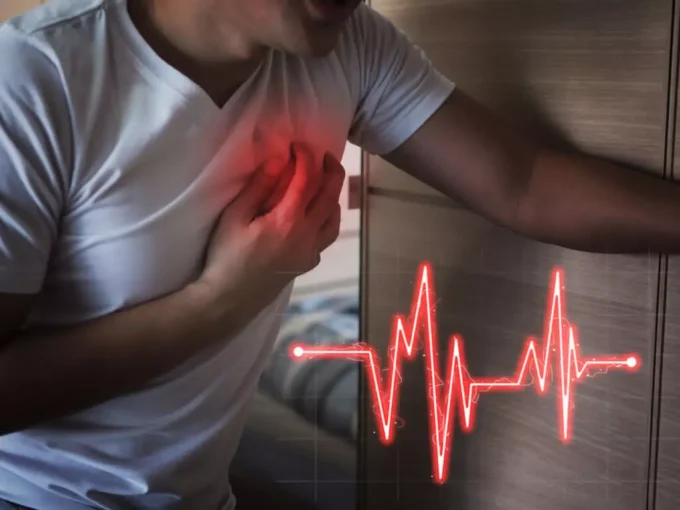
One of the most common and classic symptoms of a heart attack is chest pain or discomfort, often described as a feeling of pressure, heaviness, squeezing, or fullness in the chest. This pain may last for a few minutes or come and go. It typically occurs in the centre or left side of the chest and may feel like a tight band around the chest or a heavy weight pressing on it. Some people also describe it as burning, similar to heartburn. In many cases, this pain starts during physical activity or stress but may also happen while resting.
Pain in the Arms, Jaw, Neck, Back, or Stomach
Heart attack pain isn’t always limited to the chest. It can radiate to other parts of the upper body, including one or both arms, the jaw, neck, shoulders, upper back, and even the upper part of the stomach. The pain may be dull, sharp, or feel like a pulling or tightening sensation. Women, in particular, may report more atypical pain in the back, neck, or jaw, and may not experience chest pain at all. This often leads to delayed diagnosis, which can be dangerous.
Shortness of Breath: A Red Flag Not to Ignore
Shortness of breath—either on its own or along with chest discomfort—is another major symptom of a heart attack. This can occur with or without chest pain and may happen while at rest or during physical activity. Patients often describe it as an inability to catch their breath or a suffocating feeling. If you find yourself breathing hard without exertion or experience unexplained breathlessness, it’s important to seek medical attention immediately.
Nausea, Light-headedness, and Cold Sweat
Feeling nauseous or vomiting can be a symptom of a heart attack, especially in women. These symptoms often mistaken for food poisoning, acidity, or gastrointestinal issues. Light-headedness, dizziness, and fainting are other warning signs. A sudden cold sweat without any apparent cause—particularly if accompanied by chest pain or shortness of breath—can indicate that something is wrong with your heart. Sweating profusely while at rest is not normal and should never ignored.
Fatigue and Weakness: Subtle But Serious
Unusual or extreme fatigue that is sudden, intense, or lasts for several days can be an early warning sign of a heart attack, especially in women. People may feel unusually tired even after doing simple activities such as climbing stairs, walking short distances, or completing routine tasks. This fatigue not relieved by rest and may be accompanied by a feeling of heaviness in the limbs or an impending sense of doom. Such symptoms may start days or even weeks before a major heart event.
Anxiety and Irregular Heartbeats
Some individuals report experiencing anxiety, a racing heart, or irregular heartbeats just before or during a heart attack. The feeling of panic or a sudden increase in heartbeat should investigated, especially if it’s not linked to a stressful event. Palpitations combined with chest pain, dizziness, or breathlessness could point to an underlying heart problem.
Silent Heart Attacks: No Symptoms at All
It is also possible to have a “silent” heart attack, where a person experiences no noticeable symptoms or the symptoms are so mild they go unnoticed. These are more common in people with diabetes and older adults. Silent heart attacks usually discovered later through an ECG or during a check-up. Despite the lack of dramatic symptoms, these can cause just as much damage to the heart and carry the same risk as typical heart attacks.
What to Do If You Suspect a Heart Attack
Doctors strongly advise that if you or someone around you experiences any of these symptoms—especially chest pain, shortness of breath, and discomfort in other parts of the body—immediate medical attention must sought. Do not drive yourself to the hospital; instead, call emergency services so you can receive critical care en route. Time is of the essence during a heart attack, and early treatment with clot-busting drugs or surgical intervention can save heart muscle and lives.
Heart attacks often don’t happen the way they’ve portrayed in movies. The signs can be subtle or intense, but the key is to listen to your body and not ignore any unusual discomfort. Cardiologists say that recognising the early signs and acting fast can drastically improve survival rates. Regular check-ups, managing risk factors like high cholesterol, hypertension, diabetes, obesity, and smoking, and maintaining an active lifestyle can significantly reduce your chances of suffering a heart attack. Don’t wait for the warning to become an emergency—know the symptoms and act fast.











Leave a comment