Dr. Sameer Malhotra, Principal Director, Mental Health and Behavioural Sciences, Max Super Speciality Hospital, Saket
For centuries, the human gut was seen merely as a digestive organ—responsible for breaking down food and absorbing nutrients. Today, science is uncovering a far more complex and powerful role for the gut. Modern research now confirms that the digestive system and the brain are deeply interconnected through what is known as the gut–brain axis, a continuous two-way communication network that significantly influences mental health, emotions, and behaviour.
According to Dr Sameer Malhotra, Principal Director, Mental Health and Behavioural Sciences, Max Super Speciality Hospital, Saket, disturbances in gut health can profoundly impact psychological well-being across the lifespan. From anxiety and depression to stress-related disorders and even cognitive decline in old age, the gut plays a silent but commanding role.
What Is the Gut–Brain Axis?
The gut–brain axis refers to the bidirectional communication system between the digestive tract and the brain. This communication occurs through multiple pathways, including:
- The nervous system (particularly the vagus nerve)
- Hormonal signaling
- Immune responses
- The gut microbiome (trillions of bacteria living in the intestines)
These pathways allow the gut and brain to constantly exchange information. What happens in the gut influences how we feel, think, and behave—and emotional stress can directly affect digestion.
Why the Gut Is Often Called the “Second Brain”
The gut contains its own nervous system, known as the enteric nervous system, which has over 100 million nerve cells—more than the spinal cord. It produces many of the same neurotransmitters as the brain, including serotonin, often referred to as the “feel-good hormone.” In fact, nearly 90 percent of the body’s serotonin is produced in the gut.
When gut function is disturbed, these neurochemical pathways can be disrupted, contributing to mood disorders, anxiety, and emotional instability.
Leaky Gut Syndrome and Mental Health
One of the most important conditions linked to gut–brain dysfunction is leaky gut syndrome. This occurs when the intestinal lining becomes more permeable than normal, allowing toxins, bacteria, and inflammatory substances to enter the bloodstream.
Dr Malhotra explains that these substances can cross the blood–brain barrier, triggering inflammation and affecting brain function. Research has increasingly linked leaky gut syndrome to:
- Anxiety disorders
- Depression
- Autism spectrum disorders
- Brain fog and poor concentration
- Cognitive decline in older adults
Ageing further weakens gut integrity and alters the gut microbiome, making elderly individuals especially vulnerable to stress-related mental health disturbances.
Anxiety and the Gut: A Two-Way Loop
Anxiety disorders are among the strongest examples of the gut–brain connection. Stress and anxiety can slow digestion, alter gut bacteria, and increase gut permeability. In turn, gut inflammation sends distress signals back to the brain, reinforcing anxious thoughts and emotional dysregulation.
This creates a self-perpetuating cycle:
- Stress worsens gut health
- Poor gut health worsens anxiety
Many people under intense stress experience symptoms such as nausea, bloating, loose stools, or irritable bowel symptoms—clear signs of this interaction.
Inflammatory Bowel Diseases and Mental Health
Chronic digestive conditions often come with a heavy psychological burden. Inflammatory bowel diseases such as ulcerative colitis and Crohn’s disease are commonly associated with psychiatric comorbidities, including:
- Anxiety
- Depression
- Chronic stress
- Excessive worry and overthinking
Similarly, functional conditions like irritable bowel syndrome (IBS) are frequently seen in individuals with anxious, obsessive, or hypervigilant mindsets.
Dr Malhotra notes that conditions such as piles, perianal abscesses, anal fistulas, and pilonidal sinus are also commonly observed in people with heightened anxiety or obsessive personality traits, highlighting the deep psychological influence on gut function.
Psychogenic Digestive Disorders: When Emotions Speak Through the Gut
From a psychodynamic perspective, the gut often becomes a symbolic outlet for unresolved emotional conflicts. Conditions such as psychogenic vomiting, excessive burping (aerophagy), and functional gastrointestinal symptoms occur without any identifiable structural abnormality.
Psychogenic vomiting, for example, is often linked to unresolved trauma, suppressed emotions, or anxiety. Though no physical cause is found, there are real neurochemical changes involved, making the symptoms genuine and distressing.
Psychoanalytic theory also describes anal conflicts, rooted in early childhood experiences related to control, autonomy, and discipline. These unresolved conflicts may later manifest as gastrointestinal complaints, compulsive behaviours, emotional rigidity, or perfectionism in adulthood.
The Role of Gut Microbiome in Mood and Behaviour
The gut microbiome plays a central role in regulating the gut–brain axis. Beneficial bacteria help produce neurotransmitters, reduce inflammation, and strengthen the gut lining. An imbalance in gut bacteria—known as dysbiosis—has been linked to depression, anxiety, and cognitive dysfunction.
Probiotics, prebiotics, and dietary changes can help restore microbial balance and improve mental well-being.
Diet, Mental Health, and Ancient Wisdom
The influence of diet on mood and behaviour is not a new concept. Ancient Indian scriptures describe Satvik, Rajasic, and Tamasic diets, each associated with distinct personality traits, emotional states, and behaviours.
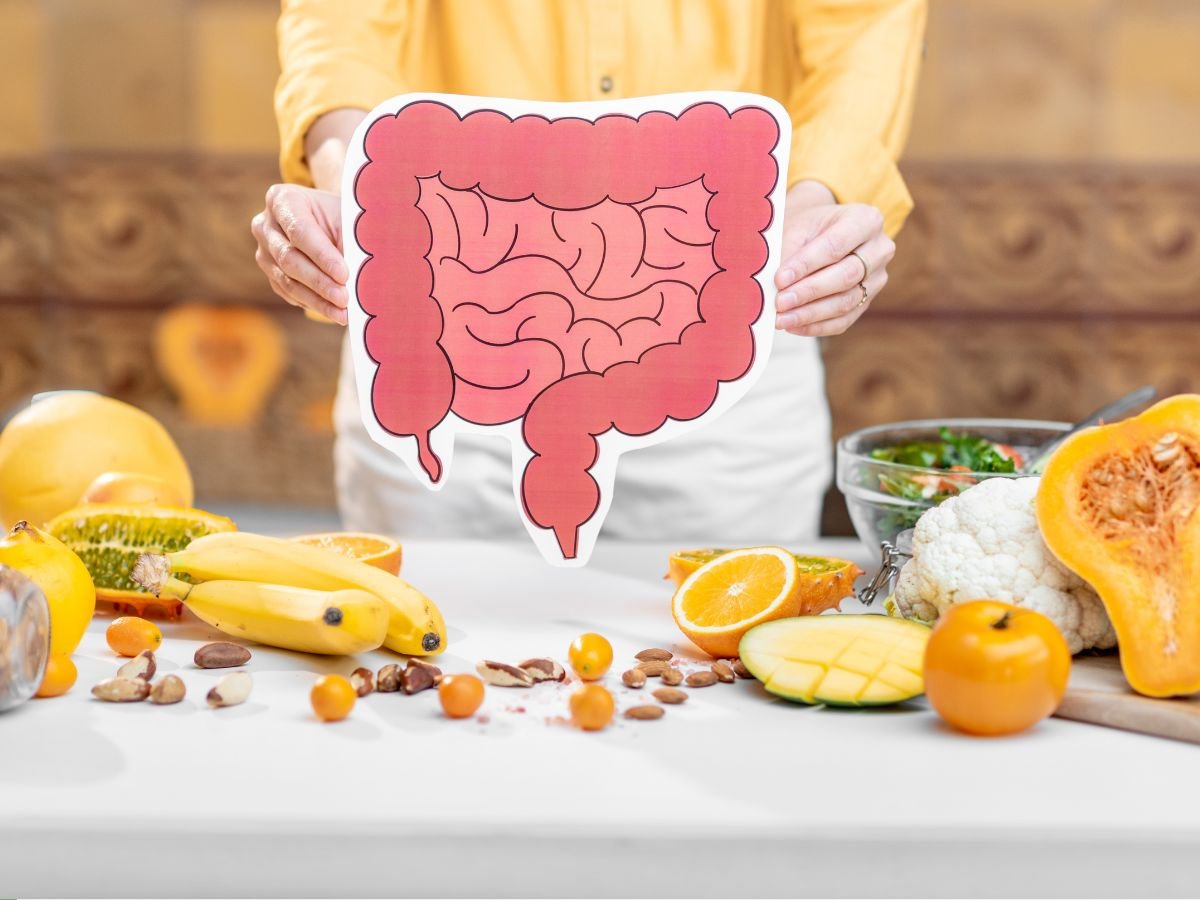
Modern science now supports this wisdom. Diets rich in processed foods, sugar, and unhealthy fats promote inflammation and worsen mental health, while diets rich in fruits, vegetables, whole grains, and fermented foods support gut and brain health.
An Integrated Approach to Healing the Gut and Mind
Dr Malhotra emphasizes that addressing mental health requires a holistic, integrated approach that treats both the mind and the body. Effective strategies include:
- Nutritional therapy to support gut health
- Stress reduction techniques
- Probiotics and microbiome support
- Medications to balance neurochemicals when needed
- Yoga and mindfulness practices
- Psychological counselling and psychotherapy
- Healthy sleep and lifestyle habits
Why the Gut–Brain Axis Matters More Than Ever
In today’s high-stress, fast-paced world, digestive disorders and mental health issues are rising together. Understanding the gut–brain axis helps explain why treating one without addressing the other often leads to incomplete recovery.
Mental health cannot be separated from physical health—and the gut sits at the crossroads of both.
The gut–brain axis highlights a profound truth: emotional regulation and digestion are inseparable. Anxiety, depression, stress, and even behavioural patterns are deeply influenced by what happens in our gut.
By nurturing gut health through mindful eating, stress management, and psychological support, individuals can significantly improve mental well-being and overall quality of life.
As Dr Sameer Malhotra underscores, true mental healthcare must go beyond the brain—embracing the gut as an equal partner in emotional and psychological health.