

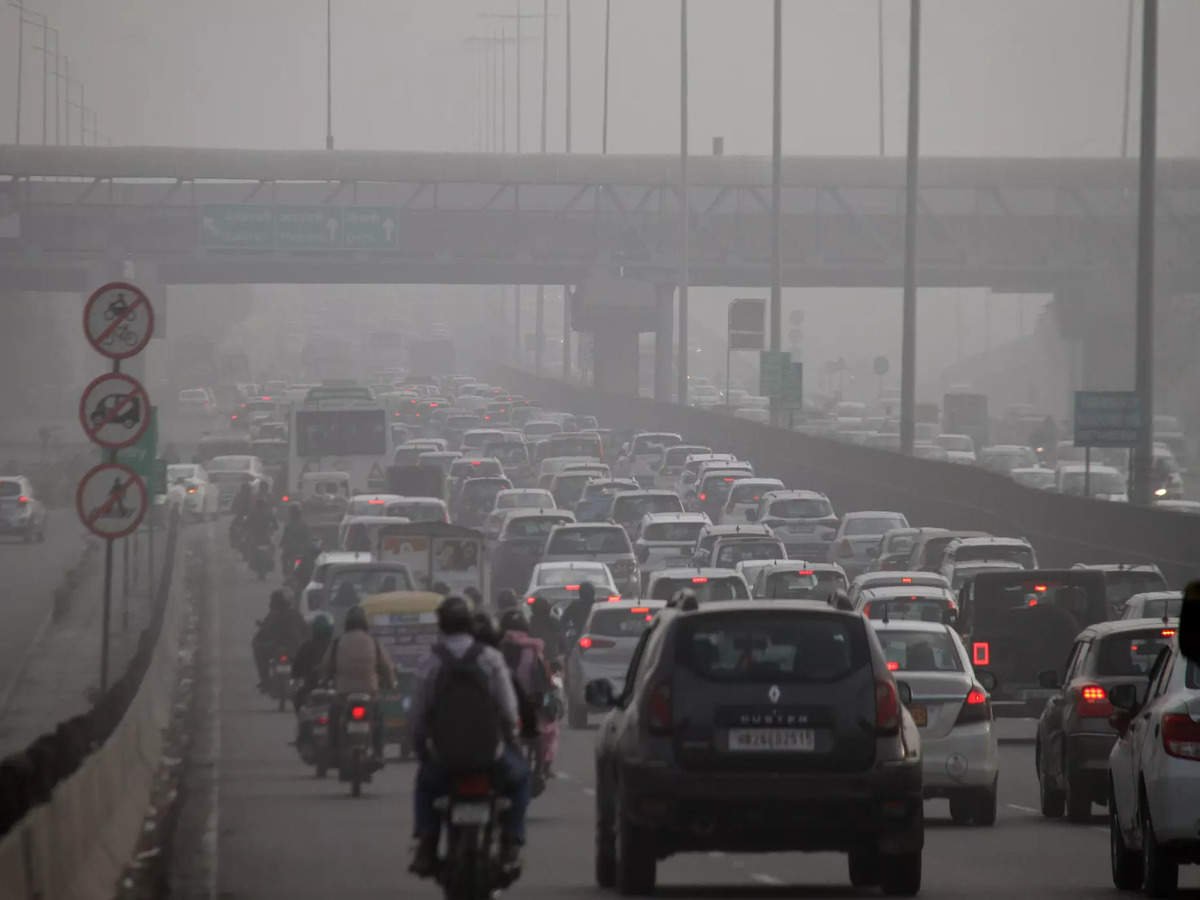
New Delhi, September 19: The Graded Response Action Plan (GRAP) – a set of emergency measures to control air pollution in the Delhi-NCR region during winter -has come into effect earlier than the usual date of October 1.
Speaking to the media, the Commission for Air Quality Management, an autonomous body responsible for preparing the strategy to improve air quality in Delhi and nearby areas, said that polluting buses from NCR states will not be allowed to enter Delhi if the city’s air quality index (AQI) reaches Stage III — ‘Severe’ (AQI between 401 and 450).
Exceptions will be made for CNG, BS VI, and electric buses.
The restrictions will not apply to buses or tempo travellers with an all-India tourist permit.
GRAP is categorised into four stages based on Delhi’s air quality: Stage I — ‘Poor’ (AQI 201-300); Stage II — ‘Very Poor’ (AQI 301-400); Stage III — ‘Severe’ (AQI 401-450); and Stage IV — ‘Severe Plus’ (AQI >450).
On Wednesday, Delhi’s AQI was 115 (Moderate).
Health Effects of Air Pollution in Delhi-NCR
Air pollution in the Delhi-NCR region has severe health implications for its residents. Prolonged exposure to polluted air can lead to various health issues, including respiratory infections, heart disease, and lung cancer .
Delhi’s air quality index has reached alarming levels, with the AQI often crossing 400, which can significantly impact the overall quality of life for residents . In 2019, a staggering 16.7 lakh (1,670,000) people died due to air pollution in India, with Delhi being one of the most affected cities .
Air pollution not only harms the environment but also affects the health of all living organisms, including plants, animals, and humans . The particulate matter in the air is responsible for the majority of excess cases of total mortality, cardiovascular mortality, and respiratory problems .
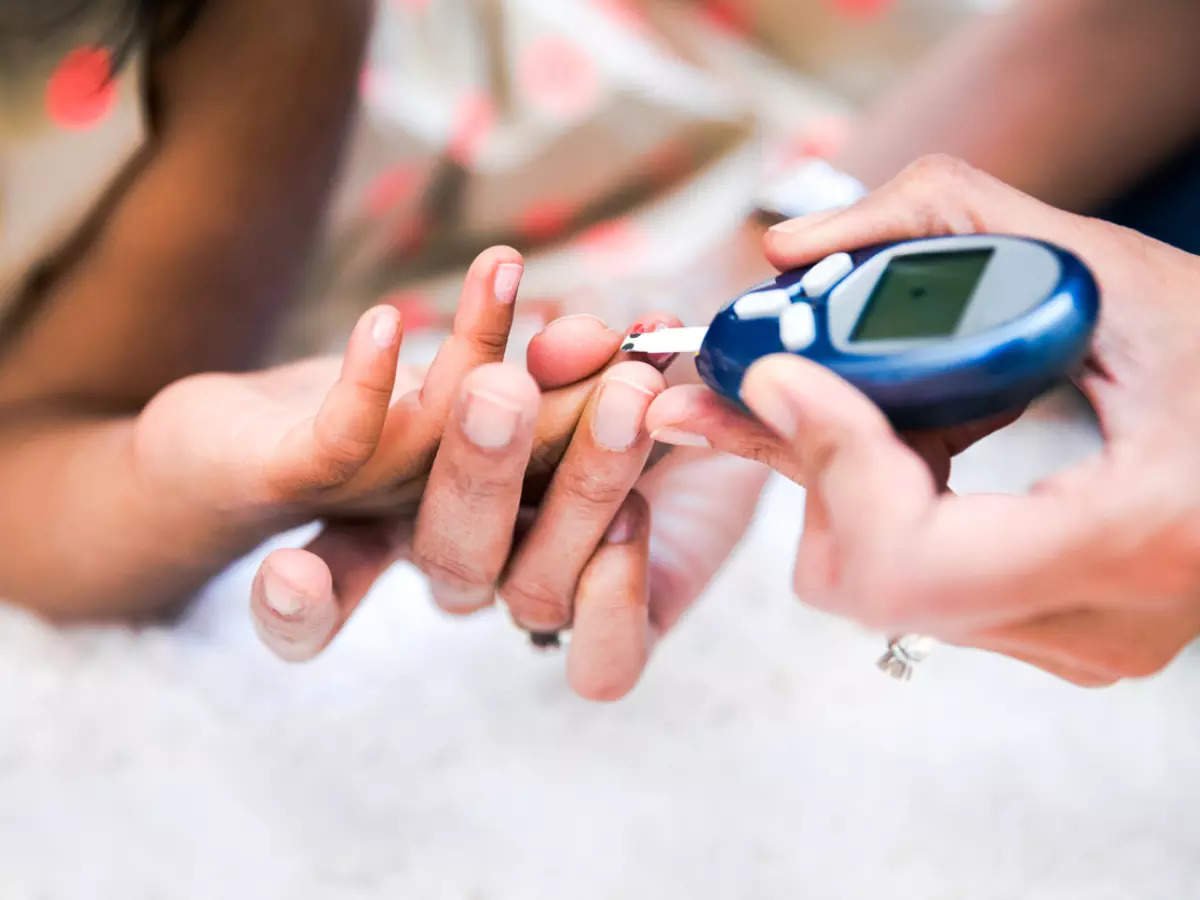
In addition to respiratory issues, rising air pollution levels have also been linked to the incidence of type 2 diabetes in Chennai and other cities . Furthermore, a 10-unit increase in PM10 concentrations has been shown to lead to a 0.21% increase in hospital visits .
The impact of air pollution on public health is significant, with air pollution being the second-most serious risk factor for public health in the country, after malnutrition . It is essential for residents to take necessary precautions to minimize their exposure to polluted air and for the government to implement effective measures to reduce air pollution levels in the Delhi-NCR region.














Leave a comment