


New Delhi, 29 December 2024: With the onset of winter and plummeting temperatures in Kashmir, the Government Medical College (GMC) Srinagar has issued an advisory urging individuals, especially those with pre-existing cardiac conditions, to take precautionary measures to safeguard their heart health.
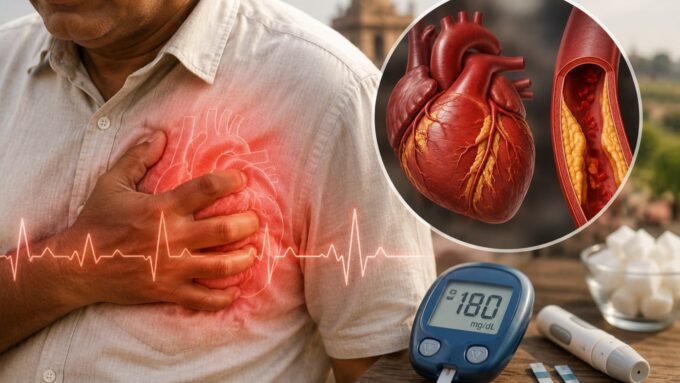
The Department of Cardiology at GMC Srinagar highlights that cold weather can significantly impact cardiovascular health. Studies indicate that every 40 seconds, someone experiences a heart attack, making myocardial infarction one of the leading causes of death and morbidity globally. In Kashmir, approximately 30% of adults suffer from hypertension, a major risk factor for heart attacks and strokes.
Cold temperatures cause blood vessels to constrict, leading to increased blood pressure and added strain on the heart. Exposure to cold can also exacerbate respiratory tract infections, further stressing cardiovascular health. Additionally, air pollution contributes to systemic inflammation and impaired cardiovascular function, elevating the risk of heart attacks.
To mitigate these risks, the advisory recommends the following precautions:
Stay Warm: Maintain a comfortable indoor temperature using adequate heating. When outdoors, wear warm clothing, including hats, gloves, and insulated footwear.
Prevent Respiratory Tract Infections: Avoid unnecessary exposure to cold environments and consider influenza vaccinations to reduce the risk of viral infections.
Modify Outdoor Activities: Refrain from engaging in strenuous physical activities, such as jogging or shoveling, during cold weather. Opt for indoor exercises to stay active without exposing yourself to harsh conditions.
Senior cardiologists in the region echo these concerns. Dr. Imran Hafeez from SKIMS warns that cold exposure leads to vasoconstriction, significantly raising the risk of heart attacks and strokes. He emphasizes the importance of home blood pressure monitoring and adherence to prescribed medications to manage seasonal spikes in blood pressure.
Dr. Irfan Ahmed Bhat, a cardiologist at SMHS Hospital, points out that increased consumption of salt in traditional Nun Chai and processed foods, as well as the use of over-the-counter cold medications, can exacerbate blood pressure problems. He highlights the phenomenon of “winter hypertension,” where blood pressure levels rise during colder months, necessitating vigilant monitoring and lifestyle adjustments.
The advisory underscores that individuals with hypertension, diabetes, obesity, a history of smoking, previous heart attacks, or heart failure are at higher risk of heart attacks during winter. By adopting the recommended precautions, individuals can significantly reduce their risk of heart-related emergencies during the winter months.
The Department of Cardiology of Government Medical College (GMC) issued an advisory today over the matter, while senior doctors across Kashmir gave words of caution to prevent such emergencies. As per the advisory, elderly people, those with hypertension, diabetes, obesity and having any cardiac issues must take precautions to safeguard their health. The situation is equally grim in Kashmir, where 30% of adults suffer from hypertension, a major risk factor for heart attacks and strokes. The advisory has been issued by HoD Department of Cardiology, GMC Srinagar.










Leave a comment