

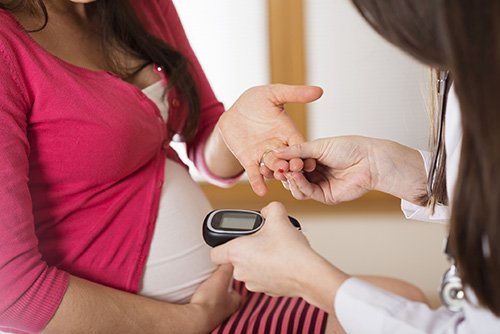
During pregnancy, women may experience an onset of high blood sugar levels, a condition known as gestational diabetes. Particularly at night, these symptoms might be accentuated. Negligence of these signs could pose a risk for both mother and baby. This article will highlight the top 5 tell-tale signs of gestational diabetes that demand attention at night.
Why Should Expectant Mothers be Wary of Gestational Diabetes?
During pregnancy, a woman’s body may not produce sufficient insulin to keep blood sugar levels under control. This could potentially lead to gestational diabetes, causing several complications for both mother and baby. To ensure a healthy pregnancy and delivery, it becomes vital to control and manage this condition.
- Increased Urination
One of the initial signs of gestational diabetes is an elevated frequency of urination, particularly at night. High blood sugar levels could cause frequent trips to the bathroom, interrupting sleep and leading to feelings of discomfort and fatigue.
- Unquenchable Thirst
An insatiable thirst, also known as polydipsia, is another common symptom. Accompanied by dry mouth, it’s more noticeable at night. In an attempt to get rid of excess glucose, the body prompts increased urination, which leads to dehydration and an undeniable thirst.
- Overpowering Fatigue and Weakness
One of the impacts of high blood sugar is weariness and fatigue, common in gestational diabetes. Especially, at night, it can affect the energy levels, causing lethargy and making a good night’s sleep elusive.
- Vision Impairments
Blurred vision is another alarm bell for gestational diabetes. High sugar levels might affect the eyes, causing temporary changes in vision. It’s essential for expectant mothers experiencing blurred vision to seek immediate medical attention to prevent complications.
- Nausea and Vomiting
Hyperglycemia, or high blood sugar, might exacerbate nausea and vomiting, especially at night. These discomforting symptoms can affect the overall well-being and quality of living.
Gestational diabetes should not be taken lightly especially as symptoms might be more apparent at night. With the right information and proactive management, a healthy pregnancy and delivery can still be ensured despite gestational diabetes.














Leave a comment