

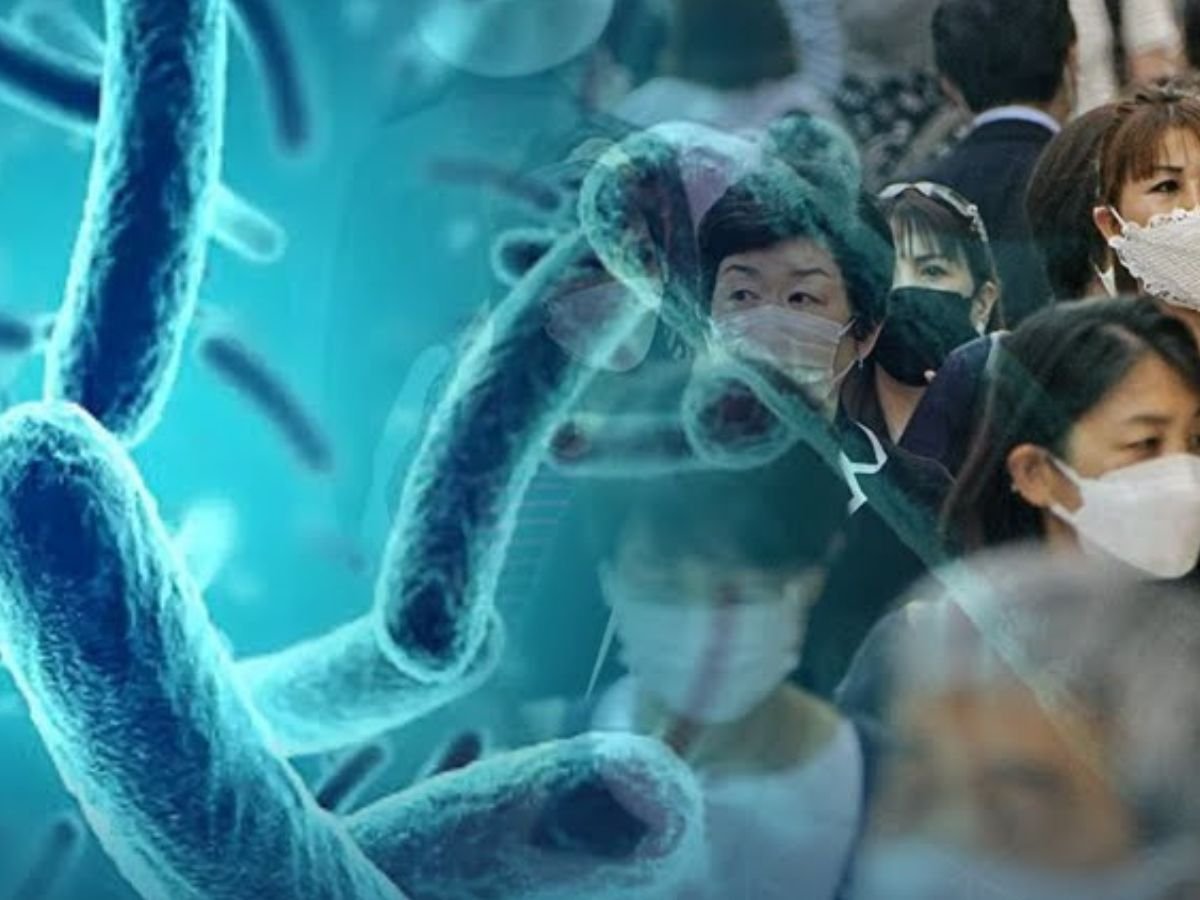
The recent outbreak of a flesh-eating bacteria or Streptococcal Toxic Shock Syndrome (STSS) in Japan has emerged as a cause of concern in the medical fraternity. Decoding the problem the experts did not anticipate the possibility of the disease outbreak in India in the near future, however they suggested to remain vigilant and practice hygiene and noted that thoase above 50 age-groups as the most vulnerable demographic.
The sudden emergence of flesh-eating bacteria in Japan surprised many experts. With the rapid spread and severe effects on those infected, the need for increased awareness and readiness to handle such health crises has become evident. As Japan works to control the outbreak, it serves as a warning for other nations to scrutinize their healthcare systems and preventive measures.
India’s Potential Risk: A Call for Caution and Preparedness
Although initial assessments suggest a low risk of a similar outbreak in India, experts stress the need for caution. The unpredictable nature of infectious diseases highlights the importance of proactive steps to prevent and manage health threats. Indian medical professionals are advised to stay informed, adhere to high hygiene standards, and be ready to react swiftly to any unusual symptoms or outbreaks.
High-Risk Groups: A Focus on Vulnerable Populations
Experts point out that individuals over 50 are at higher risk of infection and complications from the flesh-eating bacteria. Therefore, special attention and preventive strategies are recommended to protect this group from potential health hazards.
Hygiene Practices: A Crucial Defense
Good hygiene practices are crucial in preventing the spread of infectious diseases, including flesh-eating bacteria. Simple actions like regular handwashing and proper sanitation can significantly reduce the risk of exposure to harmful pathogens. Promoting hygiene awareness and adherence to basic preventive measures can strengthen community resilience against health threats.
Collaborative Efforts: Enhancing Global Health Security
The incident in Japan highlights the interconnected nature of global health. In our era of increased travel, diseases can easily cross borders. Thus, collaborative efforts among countries, healthcare professionals, and public health agencies are vital to tackle emerging health challenges and mitigate their effects.














Leave a comment