

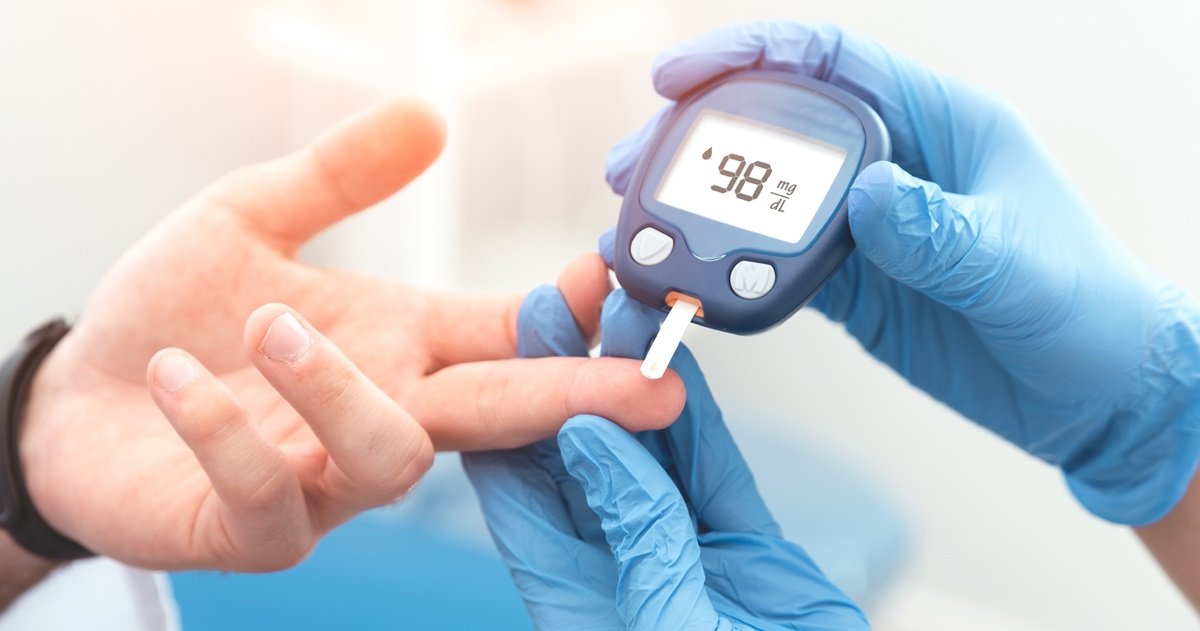
New Delhi, 17 November, 2025: Prediabetes is a metabolic condition where blood sugar levels are elevated above normal but not yet high enough for a type 2 diabetes diagnosis. It affects hundreds of millions of people worldwide and often develops silently. The good news? Prediabetes is highly reversible, especially when identified early. Numerous studies show that targeted lifestyle changes can reduce the risk of progressing to type 2 diabetes by more than 50–70%.
Reversing prediabetes naturally doesn’t mean quick detoxes, extreme diets, or unproven supplements. It means adopting sustainable, science-backed habits that restore insulin sensitivity, reduce inflammation, and support metabolic health. This guide explores effective strategies rooted in clinical evidence and long-term success.
Understanding Prediabetes
Prediabetes is usually identified through one of three tests:
- A1C: 5.7%–6.4%
- Fasting glucose: 100–125 mg/dL
- Oral glucose tolerance test (2-hour): 140–199 mg/dL
The condition usually stems from insulin resistance—when cells stop responding properly to insulin, forcing the pancreas to produce more of it. Over time, blood sugar rises, and the pancreas becomes overworked.
Risk factors include overweight, inactivity, family history of diabetes, poor sleep, high blood pressure, elevated triglycerides, and certain ethnic backgrounds. But regardless of baseline risk, the following natural interventions consistently help reverse the problem.
1. Adopt a Blood-Sugar-Friendly Eating Pattern
1.1 Emphasize Whole, Unprocessed Foods
Whole foods—fruits, vegetables, lean proteins, legumes, nuts, and whole grains—help stabilize blood sugar, reduce inflammation, and improve nutrient absorption. Minimizing refined carbohydrates and ultra-processed snacks reduces rapid glucose spikes.
1.2 Increase Fiber Intake
Fiber slows digestion, improves insulin sensitivity, and feeds beneficial gut bacteria. Research shows that eating 25–35g of fiber per day can significantly lower fasting glucose.
High-fiber foods include:
- Beans, chickpeas, and lentils
- Berries
- Broccoli, leafy greens, cauliflower
- Oats, barley, chia seeds, flaxseeds
Add fiber gradually to avoid digestive discomfort.
1.3 Choose Low-Glycemic Carbohydrates
Low-GI foods cause a slower, more controlled rise in blood sugar. Examples include:
- Sweet potatoes
- Quinoa and barley
- Whole fruits
- Legumes
- Steel-cut oats
Avoid relying on GI alone—portion size still matters.
1.4 Healthy Fats for Insulin Regulation
Monounsaturated and omega-3 fats reduce inflammation and support metabolic health.
Great choices:
- Extra virgin olive oil
- Nuts and seeds
- Fatty fish (salmon, sardines, trout)
- Avocados
Replace trans fats and excess vegetable oils with these healthier alternatives.
1.5 Balanced Plates: The Simple Formula
A helpful way to structure meals is:
- ½ plate: non-starchy vegetables
- ¼ plate: lean protein
- ¼ plate: whole grains or starchy vegetables
- Healthy fat added (olive oil, nuts, avocado)
This helps regulate post-meal glucose naturally.
1.6 Time Meals Wisely
Avoid very large meals or late-night eating—both impair glucose control. If possible:
- Eat your largest meal earlier in the day
- Avoid eating 2–3 hours before bed
- Consider a consistent eating window to improve insulin sensitivity
2. Move More: Exercise Is a Cornerstone of Reversal
Physical activity is one of the strongest evidence-supported ways to reverse prediabetes.
2.1 Aerobic Exercise
Walking, swimming, brisk cycling, and dancing all increase insulin sensitivity. Aim for:
- 150 minutes/week of moderate-intensity movement
Walking after meals—even just 10 to 15 minutes—significantly lowers glucose spikes.
2.2 Strength Training
Resistance training builds muscle, which acts as a glucose storage “sink,” reducing insulin resistance.
Try:
- Dumbbells
- Bodyweight exercises (squats, lunges, push-ups)
- Resistance bands
- Gym machines
Aim for 2–3 sessions per week.
2.3 Reduce Sedentary Time
Sitting for long periods worsens insulin resistance even if you exercise daily. Strategies:
- Stand up every 30–60 minutes
- Use a standing desk if possible
- Take walking phone calls
Small changes accumulate and significantly improve metabolic outcomes.
3. Achieve and Maintain a Healthy Weight
Weight loss—especially around the abdomen—is one of the strongest tools for reversing prediabetes.
Research shows that losing 5–7% of body weight can cut diabetes risk by more than half.
This does not require extreme dieting. Long-term strategies work best:
- Eat more whole foods and fewer processed foods
- Build consistent exercise habits
- Practice mindful eating to avoid overeating
- Reduce sugary beverages, juices, and high-calorie snacks
Even modest weight changes greatly affect insulin sensitivity.
4. Improve Sleep Quality and Duration
Poor sleep disrupts hormones involved in blood sugar control, including insulin, cortisol, ghrelin, and leptin. Studies show that sleeping fewer than 6 hours per night increases diabetes risk.
Tips for better sleep:
- Maintain a consistent bedtime and wake time
- Limit screens 1 hour before bed
- Keep the bedroom cool, dark, and quiet
- Avoid caffeine after mid-afternoon
- Address potential sleep disorders (e.g., sleep apnea)
Treating sleep apnea, in particular, can significantly improve morning glucose levels.
5. Manage Stress to Lower Glucose and Cortisol
Chronic stress raises cortisol, which increases glucose production and worsens insulin resistance.
Evidence-backed stress-reduction techniques include:
- Deep breathing exercises
- Meditation or mindfulness practices
- Yoga or tai chi
- Nature walks
- Journaling
- Cognitive behavioral therapy (CBT) techniques
Even 5–10 minutes a day can have measurable metabolic benefits.
6. Stay Hydrated and Limit Sugary Beverages
Sugary drinks—including sodas, fruit juices, sweetened coffees, and energy drinks—are strongly linked to insulin resistance.
Replace them with:
- Water
- Herbal tea
- Sparkling water with lemon
- Unsweetened iced tea
Adequate hydration also supports metabolism and digestion.
7. Consider Helpful Nutrients (Food First, Supplements Optional)
Food sources should come first, but some nutrients support metabolic health:
7.1 Magnesium
Important for insulin action. Found in leafy greens, nuts, seeds, and whole grains.
7.2 Vitamin D
Low levels are associated with insulin resistance. Sunlight exposure and fortified foods help.
7.3 Probiotics and Prebiotics
A healthy gut microbiome influences blood sugar regulation. Yogurt, kefir, and fiber-rich foods support gut health.
7.4 Cinnamon and Vinegar
Some studies show they may reduce post-meal glucose, but effects are modest. They should not replace core lifestyle changes.
Always discuss supplements with a healthcare provider, especially if you take medications.
8. Monitor Your Progress
Self-monitoring helps you see what’s working and stay motivated.
8.1 Track Blood Sugar
Using a glucometer or continuous glucose monitor (if recommended) helps identify which foods or habits cause spikes.
8.2 Routine Lab Tests
Check A1C, fasting glucose, lipids, and weight every 3–6 months.
8.3 Keep a Habit Log
Recording meals, sleep, or exercise can reveal helpful patterns.
9. Build a Sustainable, Long-Term Plan
Reversing prediabetes is not about temporary fixes—it’s about long-term metabolic resilience. People succeed most when they:
- Make gradual changes
- Set achievable goals
- Create supportive environments (healthy food at home, exercise routines)
- Involve family or friends for accountability
- Celebrate small wins
The goal is creating a balanced lifestyle that feels natural, not restrictive.
Prediabetes is a powerful warning signal—but also an opportunity. With the right combination of nutrition, activity, sleep, stress management, and consistent monitoring, many people completely reverse prediabetes and restore normal blood sugar levels naturally.
Science shows that modest, sustainable changes often have the greatest impact. You don’t need perfection; you need consistency. Whether it starts with daily walks, a more balanced plate, or better sleep, the small choices you make today can dramatically improve your future health.














Leave a comment