

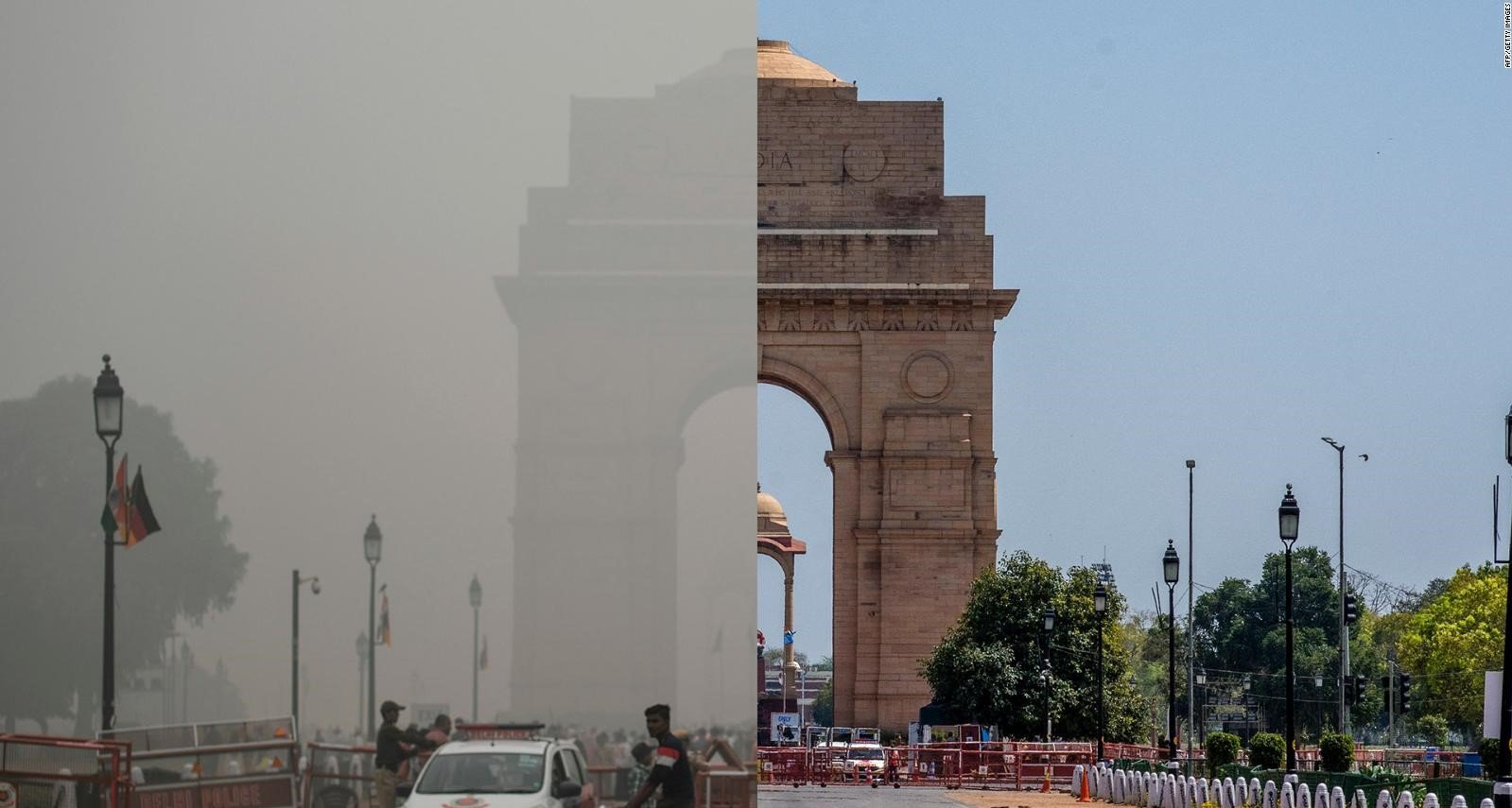
New Delhi, 12 December 2024: A recent study has revealed a troubling link between air pollution, specifically fine particulate matter (PM2.5), and the increased risk of death among Indians. According to the research, every 10-unit rise in annual PM2.5 exposure corresponds to a significant rise in mortality rates. This alarming finding highlights the urgent need for India to address its air pollution crisis, which continues to contribute to a range of health complications, including heart disease, stroke, and respiratory illness.
The PM2.5 Crisis in India
Particulate matter (PM) is a mixture of tiny particles and droplets found in the air, and PM2.5 refers to particles that are less than 2.5 micrometers in diameter—small enough to be inhaled deeply into the lungs and even enter the bloodstream. These particles come from various sources, including vehicle emissions, industrial activities, construction dust, and agricultural burning.
India, with its rapidly growing urban population and increasing industrialization, has been grappling with high levels of PM2.5 pollution. According to the World Health Organization (WHO), India is home to 22 of the 30 most polluted cities globally, with cities like Delhi, Kanpur, and Lucknow facing some of the worst air quality in the world. This exposure to toxic air pollutants is leading to severe health consequences, particularly for vulnerable populations.
Study Details and Key Findings
The study, conducted by researchers from prestigious Indian institutions and published in a leading scientific journal, analyzed long-term data from across the country. The study’s primary focus was to measure the correlation between increasing PM2.5 levels and mortality rates among the Indian population.
One of the most alarming findings was that for every increase of 10 units in annual PM2.5 exposure, there was a noticeable rise in the risk of death from a range of diseases. The study demonstrated that this rise in risk was not confined to respiratory diseases but also included cardiovascular conditions, strokes, and even cancers.
The study’s results were particularly concerning for urban dwellers, who face consistently high PM2.5 exposure due to traffic emissions, industrial pollution, and other sources of environmental degradation. In cities like Delhi, where annual PM2.5 levels often exceed 300 µg/m³ (micrograms per cubic meter), the risks of developing chronic health problems, including heart disease and lung cancer, are alarmingly high.
Health Implications of PM2.5 Exposure
Prolonged exposure to PM2.5 has been linked to a range of serious health conditions. Some of the most common and concerning health issues associated with fine particulate matter include:
Cardiovascular Diseases: PM2.5 has been shown to cause inflammation in the blood vessels, leading to an increased risk of heart attacks, strokes, and other cardiovascular diseases.
Respiratory Illnesses: Chronic exposure to fine particulate matter can lead to lung diseases such as asthma, chronic obstructive pulmonary disease (COPD), and lung cancer.
Diabetes: Studies have also shown a correlation between PM2.5 exposure and an increased risk of developing type 2 diabetes, as the pollutants contribute to insulin resistance.
Premature Deaths: As highlighted in the study, the accumulation of PM2.5 particles in the body increases the likelihood of premature death from various causes.
Vulnerable Groups
While the impact of PM2.5 affects the entire population, certain groups are more vulnerable to its harmful effects. These include:
Children: Children are particularly susceptible to respiratory diseases and developmental issues due to their developing lungs and immune systems.
Elderly: Older adults often have pre-existing conditions that make them more vulnerable to the cardiovascular and respiratory impacts of air pollution.
Individuals with Pre-existing Conditions: People suffering from heart disease, respiratory illnesses, or diabetes are at an increased risk of complications from exposure to air pollution.
Outdoor Workers: Laborers and others working outdoors in polluted environments are also at a higher risk due to prolonged exposure to toxic particles.
What Can Be Done?
The findings of this study emphasize the urgent need for robust policy interventions to reduce air pollution levels in India. Some of the key actions that need to be taken include:
Stricter Emission Standards: India must implement and enforce stricter emission standards for vehicles, industries, and agricultural activities.
Green Infrastructure: Investing in green infrastructure such as more parks, trees, and cleaner public transportation can help reduce overall pollution levels.
Public Health Initiatives: Public health campaigns aimed at educating citizens on the dangers of air pollution and promoting protective measures such as wearing masks and staying indoors on high-pollution days are essential.
Government Regulations: Increased regulation and investment in air quality monitoring systems, especially in heavily polluted urban areas, are necessary to ensure air quality improves over time.
India is facing an environmental health crisis, with air pollution and its associated risks contributing to thousands of deaths each year. While the study’s findings are concerning, they also offer a roadmap for addressing this critical issue. By focusing on policy reform, better regulation, and public education, the country can work toward cleaner air and healthier citizens.
As global attention continues to focus on the long-term impacts of environmental degradation, the onus is on both the government and the people to prioritize air quality and take the necessary steps to safeguard public health. Ensuring that India’s air is cleaner and safer for its citizens could significantly reduce the health burden associated with air pollution, saving lives and improving the overall quality of life for millions.















Leave a comment