

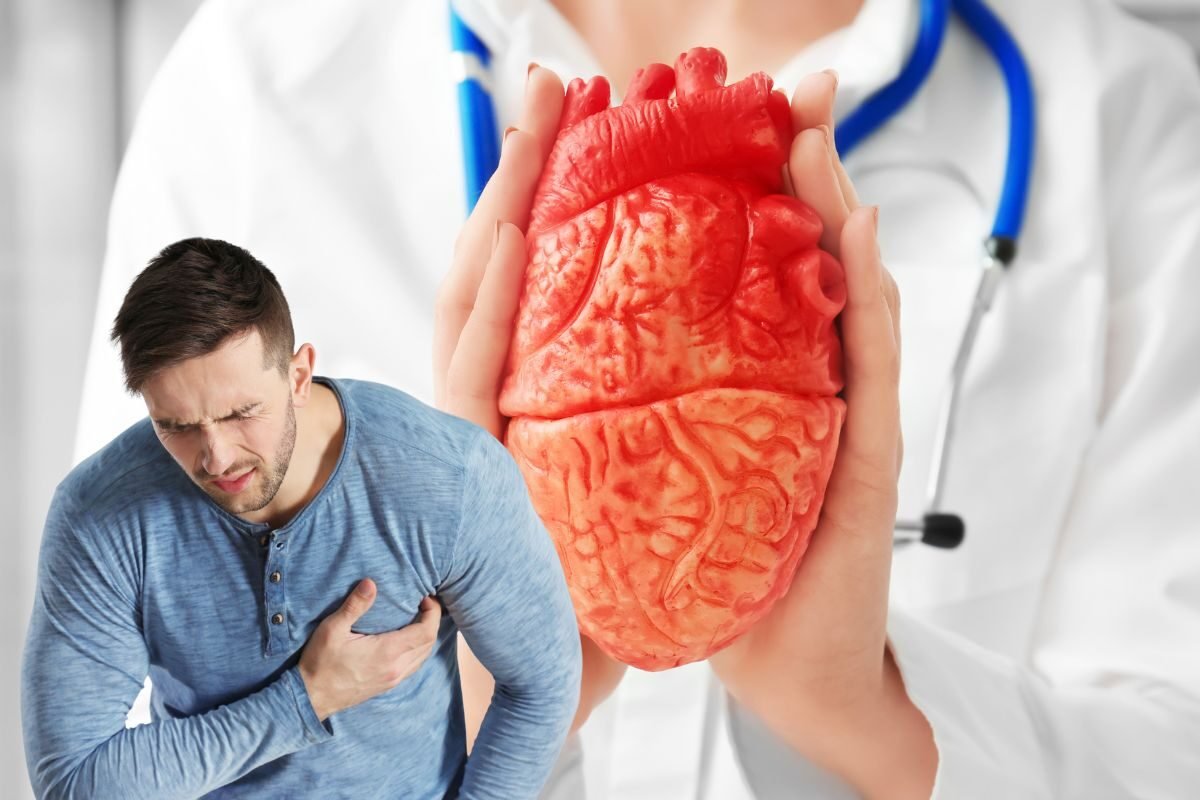
New Delhi, 12 September, 2025: Heart disease is often thought of as a condition that affects middle-aged or elderly people. However, an alarming trend is emerging worldwide: teenagers and young adults are increasingly being diagnosed with early signs of cardiovascular disease, including blocked arteries. Unhealthy lifestyles, sedentary habits, and poor dietary choices have made younger generations more vulnerable to problems that were once considered “old age diseases.”
While a heart attack in a teenager may sound rare, the groundwork for cardiovascular disease often begins much earlier than most people realize. Understanding the early warning signs of blocked arteries in teens and learning how to prevent them is critical for safeguarding long-term heart health.
Why Are Blocked Arteries Happening in Teenagers?
Arteries are blood vessels that carry oxygen-rich blood to the heart and the rest of the body. When fatty deposits known as plaque build up inside them, the arteries narrow, making it difficult for blood to flow. This condition is called atherosclerosis.
Traditionally, this process was associated with aging, but lifestyle shifts are accelerating it in young people. Some major contributors include:
- Unhealthy diet: Junk food, processed snacks, and sugar-loaded beverages.
- Sedentary lifestyle: Long hours on phones, computers, and video games with minimal exercise.
- Obesity: Rising childhood obesity rates are directly linked to early arterial damage.
- Stress and poor sleep: Chronic stress, exam pressure, and irregular sleep disrupt heart health.
- Smoking and vaping: Increasing among teens, which damages blood vessel walls.
- Family history: Genetics also play a role if heart disease runs in the family.
Research shows that early plaque buildup can begin in adolescence, and by the time someone reaches their 30s, these blockages can become significant enough to cause heart attacks or strokes.
Early Signs of Blocked Arteries in Teens
Many people dismiss heart-related symptoms in teenagers as stress or fatigue. However, artery blockages can silently develop for years before showing major symptoms. Here are some warning signs parents, teachers, and teens themselves should look out for:
1. Chest Pain or Discomfort
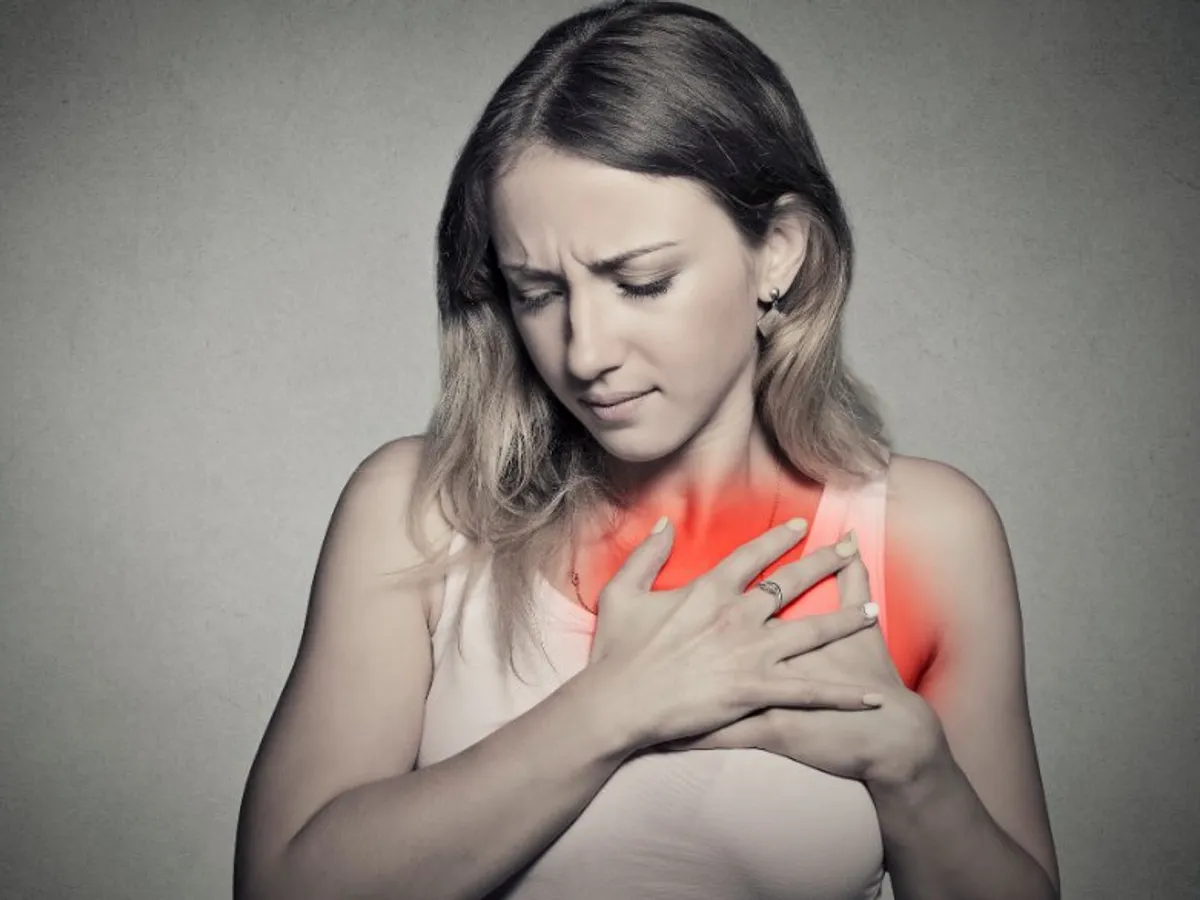
A classic red flag of restricted blood flow. While teens may describe it as tightness, heaviness, or pressure in the chest, it should never be ignored. Even mild or occasional discomfort can indicate early arterial narrowing.
2. Shortness of Breath
If a teen feels unusually breathless while climbing stairs, walking short distances, or doing light activities, it may suggest that the heart is not getting enough oxygen-rich blood.
3. Fatigue and Low Energy
Constant tiredness despite adequate rest could signal that the heart is struggling to pump efficiently. Teens often dismiss this as “laziness,” but persistent fatigue deserves medical attention.
4. Dizziness or Fainting Episodes
Poor circulation from blocked arteries can reduce blood supply to the brain, causing lightheadedness or fainting spells.
5. Cold Hands and Feet
When arteries are blocked, blood doesn’t reach extremities properly. Teens with persistently cold hands and feet should be evaluated.
6. Irregular Heartbeats (Palpitations)
A racing or irregular heartbeat during rest can point to cardiovascular strain. Teens experiencing palpitations should undergo basic heart checkups.
7. Swelling in Ankles or Legs
Blocked arteries can sometimes lead to fluid buildup, causing mild swelling in the lower body.
How to Detect Blocked Arteries in Young People
Early detection is crucial. Some tests that doctors may recommend include:
- Blood tests for cholesterol and triglycerides.
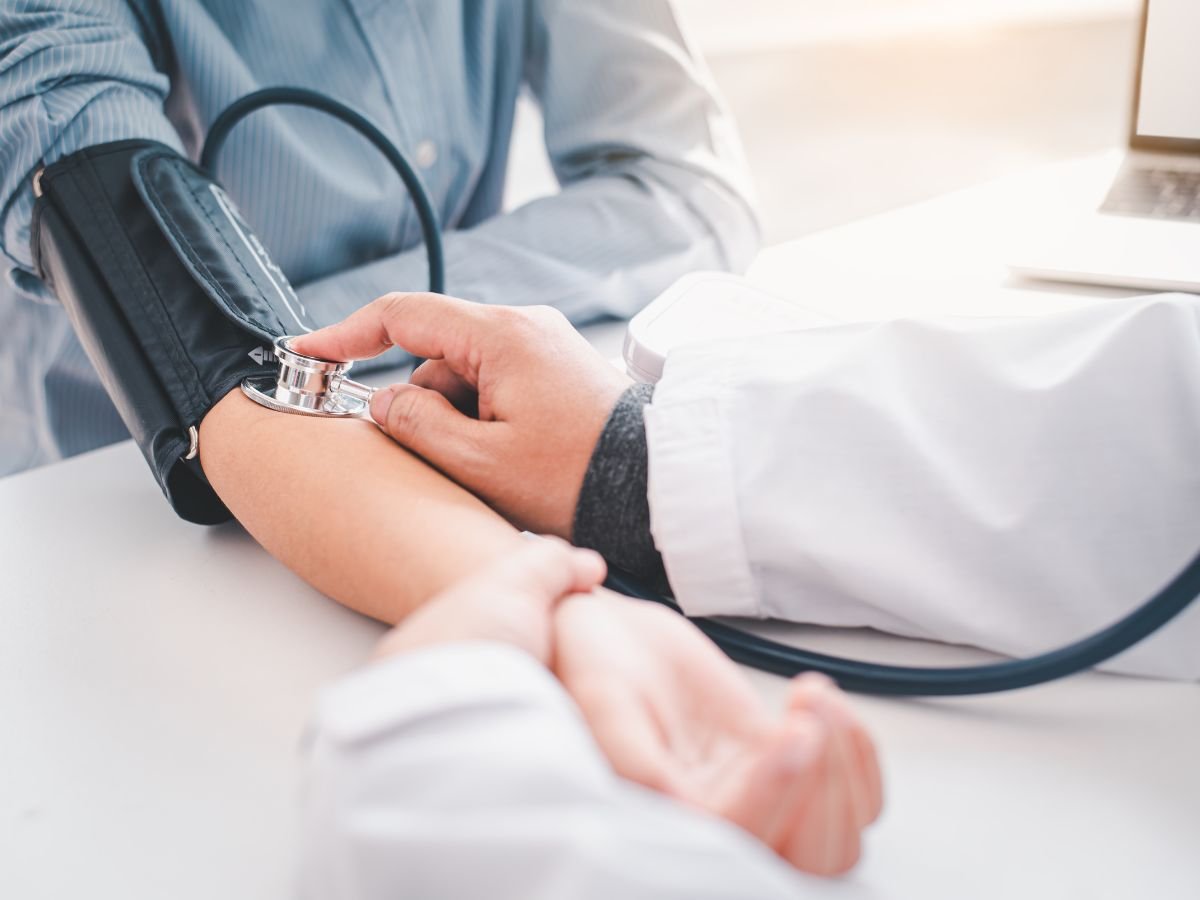
- Blood pressure monitoring to check for hypertension.
- ECG (Electrocardiogram) to assess heart rhythm.
- Echocardiogram to evaluate heart function.
- CT scan or angiography for detailed artery imaging (in severe cases).
Routine checkups in high-risk teens—especially those who are overweight, diabetic, or have a family history of heart disease—can help detect blockages before they become life-threatening.
How to Prevent Heart Attack Risk in Teenagers
The good news is that early artery blockages are largely preventable and, in some cases, even reversible with lifestyle changes. Here’s how parents and teens can work together to protect heart health:
1. Adopt a Heart-Healthy Diet
- Focus on whole foods like fruits, vegetables, whole grains, and nuts.
- Replace fried and processed foods with home-cooked meals.
- Reduce sugar intake from sodas, packaged juices, and candies.
- Include healthy fats like olive oil, flaxseeds, and fish rich in omega-3.
- Limit red meat and processed meats.
2. Encourage Daily Physical Activity
- Teens should aim for at least 60 minutes of moderate to vigorous exercise daily.
- Activities can include cycling, running, swimming, dancing, or sports.
- Even simple habits like walking or using stairs can improve circulation.
3. Maintain Healthy Weight
Obesity is one of the strongest predictors of early arterial blockages. Encouraging portion control and reducing junk food intake can go a long way in maintaining a healthy BMI.
4. Quit Smoking and Vaping
Nicotine damages artery walls and accelerates plaque buildup. Early education and strict boundaries around smoking and vaping are vital.
5. Manage Stress and Sleep Better
- Teenagers today face academic and social pressures, which can trigger stress-related heart problems.
- Encourage stress-relief practices like yoga, meditation, or mindfulness.
- Prioritize 7–9 hours of sleep per night for recovery and heart health.
6. Regular Screenings for At-Risk Teens
If a teenager has a family history of heart disease, diabetes, or obesity, early medical checkups can detect risks before they escalate.
7. Educate and Talk Openly
Many teenagers hide their unhealthy habits or symptoms out of fear or embarrassment. Families, schools, and communities must create an environment where health issues can be discussed openly.
Real-Life Impact: Why Prevention Matters
Imagine a 16-year-old who constantly feels tired and out of breath but assumes it’s due to “not being fit.” If ignored, those early signs of arterial narrowing could develop into severe blockages by the time they are 25 or 30, increasing the risk of heart attacks at a young age.
By simply incorporating healthy eating, regular exercise, and stress management early in life, the chances of developing serious heart conditions can be reduced dramatically.
Blocked arteries in teenagers may sound unusual, but they are becoming a growing health concern worldwide. The rise in sedentary lifestyles, poor diets, and chronic stress has put younger generations at risk of heart disease much earlier than before.
The key lies in recognizing early signs such as chest discomfort, fatigue, or breathlessness, and taking proactive measures. Parents, educators, and healthcare providers must work together to create awareness and promote heart-healthy habits from a young age.
After all, prevention is always better than cure. Teaching teens to care for their heart today can protect them from heart attacks and other cardiovascular issues tomorrow.













Leave a comment