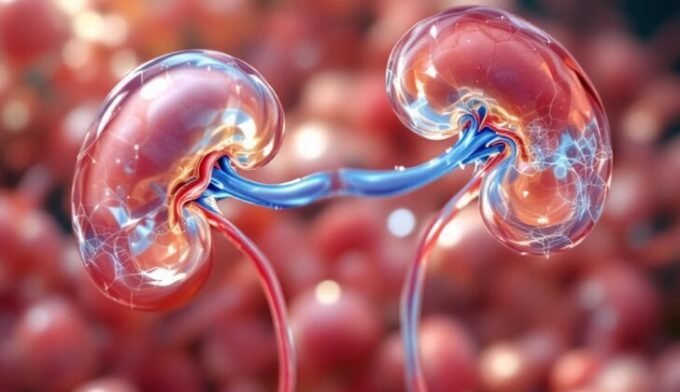
Kidney Damage Symptoms: The kidneys are two bean-shaped organs. Each kidney is about the size of a fist. Your kidneys filter extra water and wastes out of your blood and make urine. Kidney disease means your kidneys are damaged and can’t filter blood the way they should. You are at greater risk for kidney disease if you have diabetes or high blood pressure. If you experience kidney failure, treatments include kidney transplant or dialysis. Other kidney problems include acute kidney injury, kidney cysts, kidney stones, and kidney infections.
Silent Kidney Disease: How Deadly Are They?
The kidneys are two bean-shaped organs. Each kidney is about the size of a fist. Your kidneys filter extra water and wastes out of your blood and make urine. Kidney disease means your kidneys are damaged and can’t filter blood the way they should.
You are at greater risk for kidney disease if you have diabetes or high blood pressure. If you experience kidney failure, treatments include kidney transplant or dialysis. Other kidney problems include acute kidney injury, kidney cysts, kidney stones, and kidney infections.
The very first symptoms of kidney problems rarely manifest and one might not have any clue until the condition gets worse as the swelling, breathlessness or lowered urine production might have appeared only after a large portion of kidney function has been lost already.
So, don’t wait till something goes wrong with your kidneys; a few simple tests can pick up small problems several years before they become major and these tests can help in slowing down or stopping the damage. Recent scientific studies along with public health reports, are pointing to the fact that it is a common problem that keeps increasing worldwide and in India too and it is mostly preventable if we take the right steps early enough.
Unusual Signs of Kidney Damage That Shouldn’t Be Ignored
The first stage of the disease does not show visible signs yet patients should monitor patients for these specific symptoms: facial and ankle swelling, fatigue, blood in urine, foamy urine and uncontrolled blood pressure, breathing difficulty and loss of appetite. The common belief that people who show no symptoms have no medical issues proves to be false because the only way to determine health status requires medical testing.
People who have high blood pressure or are from families with a history of kidney disease should be recommended by their doctor to have a simple blood and urine tests. At-risk individuals need to drink enough water, maintain a healthy weight, and have regular health check-ups. Kidney damage results from two main factors, which require tracking for blood pressure and sugar levels.
Manage CKD risk factors
Approximately 1 in 3 adults with diabetes and 1 of 5 adults with high blood pressure may have CKD.
Other problems that put you at greater chance of kidney disease include:
- Heart disease.
- High blood pressure.
- Overweight or obesity.
- Family history of CKD.
Kidney infections and a physical injury can also cause kidney disease.
People who have diabetes may be able to prevent or delay CKD with blood pressure-lowering drugs. These medicines reduce protein in the urine, a risk factor for developing CKD.
Having CKD increases the chances of heart disease and stroke. Treatment can help prevent or delay cardiovascular death and kidney failure.