Home Latest News Dengue Fever Symptoms: 7 Early Warning Signs You Should Never Ignore – Severe DENV Infection Can Damage Your Liver Too
Latest News

Dengue Fever Symptoms: 7 Early Warning Signs You Should Never Ignore – Severe DENV Infection Can Damage Your Liver Too

Share
Share

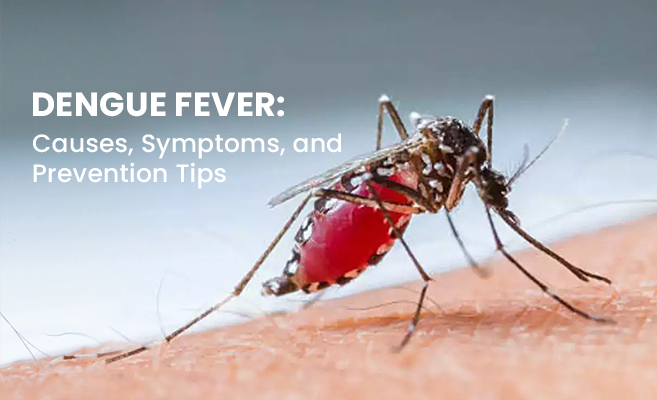
New Delhi, 29 August 2025: Dengue fever – sometimes called “breakbone fever” -is a serious mosquito-borne illness affecting millions worldwide annually. While early detection offers the best chance at recovery, recognizing its warning signs quickly can make all the difference. Here’s what to look out for and how to respond if you suspect a DENV infection.

1. High Fever and Sudden Onset

Dengue fever often begins abruptly with a high fever, frequently exceeding 104°F (40°C). This spike typically appears 4 to 10 days after an infected mosquito bite and lasts between 2 to 7 days. Unlike a mild viral fever, dengue’s intensity and rapid onset can’t be ignored. Prompt medical evaluation is essential -especially in areas prone to outbreaks. Early fever detection allows for supportive care that can prevent complications and guide proper hydration strategies.

2. Excruciating Headache and Eye Pain

Another hallmark of dengue is an intense headache, most commonly centered behind the eyes. This retro-orbital pain is distinctive and can worsen with eye movement or light exposure. Coupled with fever, this symptom signals a possible viral invasion and often differentiates dengue from other illnesses. If discomfort extends beyond a mild headache or becomes persistent, it’s critical to consult a healthcare provider to rule out serious progression.

3. Debilitating Muscle and Joint Pain

Often dubbed “breakbone fever,” dengue is notorious for inflicting severe muscle, bone, and joint pain that can incapacitate sufferers. The constant aches and soreness in the back, legs, arms, or torso make even simple movements painful. When combined with fever and headaches, these symptoms should raise red flags. Early recognition and pain relief—using acetaminophen only—are essential in alleviating suffering and preventing overuse of NSAIDs, which can worsen bleeding risk.

4. Persistent Nausea, Vomiting, and Appetite Loss

Dengue frequently affects the digestive system, manifesting as nausea, vomiting, abdominal discomfort, and loss of appetite. These symptoms may appear early or develop alongside fever and body aches. Recurrent vomiting increases the risk of dehydration and electrolyte imbalance. Keeping hydrated with fluids and seeking medical care if such symptoms persist ensures the body can recover safely, avoiding severe complications.

5. Skin Rash and Tiny Red Spots

A noticeable skin rash often develops between days 3 to 5 of illness—sometimes described as patchy red or pink blotches. In some cases, pinpoint red spots (petechiae) emerge due to minor blood vessel bleeding. While the rash itself isn’t life-threatening, it’s a visible indicator that the immune system and vascular integrity are under stress. Combined with other symptoms like fever and pain, a rash should prompt evaluation for dengue.

6. Extreme Fatigue and Weakness

Even after the fever subsides, dengue leaves many feeling utterly exhausted—fatigued to the point daily tasks feel overwhelming. This pervasive weariness can last for several weeks, as the body battles inflammation, hydration deficits, and weakened energy reserves. Recognizing this extended phase is vital. Patients should pace their recovery, avoid strenuous activity, and allow ample rest to rebuild strength and reduce relapse risk.

7. Bleeding, Bruising & Severe Warning Signs

In its most dangerous form—severe dengue—patients may experience bleeding from the gums or nose, black or bloody stools, or even vomit containing blood. Rapid progression to plasma leakage, dangerously low blood pressure, and organ impairment is possible. Watch for:

  • Severe abdominal pain
  • Persistent vomiting
  • Difficulty breathing
  • Restlessness or fatigue
  • Cold, clammy skin

These symptoms indicate a medical emergency requiring hospitalization and intensive treatment to avoid shock, organ failure, or death. Swift intervention can reduce fatality rates below 1%.

How and Why These Symptoms Matter

Understanding dengue’s progression is key. While most cases resolve within 1–2 weeks with proper care, the threat of severe complications makes recognition vital. The virus is transmitted by day-biting Aedes mosquitoes in tropical and subtropical regions, where half of the global population is now at risk. Severe disease often develops after the fever diminishes—highlighting the importance of continuous monitoring.

Dengue’s four virus types mean contracting dengue once doesn’t ensure lifetime immunity—subsequent infections can increase severity due to the phenomenon of antibody-dependent enhancement. Supportive care remains the cornerstone of treatment, since no specific antiviral exists.

Proactive Steps and Prevention Strategies

  • Never delay medical evaluation when you experience warning signs—especially if dengue is prevalent in your region.
  • Avoid NSAIDs like ibuprofen or aspirin—they can exacerbate bleeding risk. Use acetaminophen for fever and pain relief only.
  • Focus on hydration—drink clean fluids, and if vomiting, consider oral rehydration solutions.
  • Ensure regular monitoring, ideally under healthcare supervision, to watch for drops in platelet counts or fluid leakage.
  • Prevent mosquito bites: Wear long sleeves, use repellents, install screens, and eliminate standing water to reduce breeding.

STORY HIGHLIGHT

SymptomKey Action
High fever & headacheSeek evaluation, monitor temperature
Eye, muscle, or joint painUse acetaminophen; avoid NSAIDs
Nausea, vomitingHydrate, assess for dehydration
RashNote onset; evaluate if paired with fever
FatigueRest, avoid exertion
Bleeding or severe signsHospitalize immediately

Dengue Fever: Cases On The Rise In Delhi-NCR – Here’s How To Stay Safe!

Dengue can be deceptive -beginning like a common flu yet capable of becoming life-threatening. Recognizing its warning signs early, responding with appropriate medical care, and taking preventive steps are vital in navigating this illness safely. Stay alert, stay hydrated, and act quickly – your health could depend on it.

Share

Leave a comment

Leave a Reply

Your email address will not be published. Required fields are marked *

Don't Miss

Air Pollution
Health News

Delhi Chokes Under Toxic Air: Schools Shut, Offices Go Work From Home — How to Stay Safe

New Delhi, 23 December, 2025: Delhi once again finds itself gasping for breath as air pollution levels surge to hazardous levels, pushing authorities...

Colorectal cancer
Latest News

Cervical Cancer Awareness Month 2026: Screening Tips Every Woman Should Know

Cervical cancer is one of the most preventable forms of cancer, yet it remains a leading cause of cancer-related deaths among women globally....

Bird Flu
Latest News

Bird Flu Alert: How to Protect Yourself Without Panicking

Bird flu, also known as avian influenza, is a viral infection primarily affecting birds but capable of infecting humans in rare cases. The...

Latest News

Why Walking 30 Minutes a Day Can Add Years to Your Life

Walking for just 30 minutes a day is one of the simplest yet most effective ways to improve overall health, enhance longevity, and...

Latest News

5 Common Foods That Are Slowly Damaging Your Liver

The liver is one of the most vital organs in the body, responsible for detoxification, metabolizing nutrients, and regulating essential biochemical processes, and...

Section title

Related Articles
Cancer
Latest News

Immunotherapy vs Chemotherapy: Which Cancer Treatment Works Better?

Cancer treatment has evolved rapidly over the past few decades, offering patients...

The Nipah virus is considered one of the deadliest zoonotic infections globally, not because it spreads rapidly like influenza or COVID-19, but because of its extremely high fatality rate, rapid progression, and severe brain involvement. Medical experts warn that once symptoms escalate, the disease can turn fatal within days. According to available data, the case fatality rate of Nipah virus ranges between 50 and 75 per cent, placing it among the most lethal viral infections known to humans. In this explainer, Dr Dip Narayan Mukherjee, Consultant – Microbiology and Infectious Diseases, CK Birla Hospitals, CMRI, sheds light on why the virus is so dangerous and difficult to control. Why Is the Nipah Virus So Deadly? According to Dr Mukherjee, Nipah’s lethality lies in a combination of delayed symptom recognition, aggressive disease progression, and early involvement of the brain. “Nipah virus often begins with very non-specific symptoms, which makes early detection difficult. By the time it is clinically suspected, the virus may have already affected the brain,” he explains. Early Symptoms Often Go Unnoticed One of the biggest challenges in controlling Nipah virus is that its initial symptoms closely resemble common viral illnesses, leading to delays in diagnosis and isolation. Early symptoms include: Fever Headache Cough Muscle pain General weakness “These symptoms are easily mistaken for flu, viral fever, or respiratory infections,” says Dr Mukherjee. “This delay gives the virus time to progress silently.” Severe Brain Infection Drives High Mortality The most dangerous aspect of Nipah virus infection is its neurological involvement. The virus frequently causes encephalitis, or inflammation of the brain, which significantly increases the risk of death. Neurological symptoms may include: Seizures Confusion and altered consciousness Extreme drowsiness Coma “Once the central nervous system is involved, the disease becomes very difficult to manage,” Dr Mukherjee notes. “At this stage, treatment is largely supportive because there is no specific antiviral therapy available.” This lack of targeted treatment options makes early detection critical. Human-to-Human Transmission Raises Risk While Nipah virus is primarily transmitted from fruit bats, it can also spread from person to person, particularly in healthcare settings. Dr Mukherjee points out that: Caregivers and healthcare workers are at higher risk Exposure to high viral loads can worsen outcomes Inadequate infection control increases transmission risk “Strict adherence to infection control practices is essential. Even a small lapse can result in secondary infections,” he says. Zoonotic Nature Makes Exposure Hard to Predict Nipah virus is transmitted from fruit bats, either directly or through intermediate hosts such as pigs. This zoonotic pattern makes outbreaks unpredictable, especially in regions where humans, animals, and wildlife interact closely. Adding to the challenge: There is no approved vaccine Treatment options remain limited Isolation protocols must be strictly enforced What Can Reduce Nipah Fatalities? According to experts, early action remains the most effective defence against Nipah virus. Key measures include: Early isolation of suspected cases Strict use of personal protective equipment (PPE) Rapid escalation and referral to specialised centres Strong hospital infection control protocols “The earlier the virus is identified and contained, the better the chances of preventing severe disease and fatalities,” Dr Mukherjee emphasises. The Bottom Line Nipah virus continues to be a serious public health threat because of its high fatality rate, neurological complications, and lack of targeted treatment. Its ability to masquerade as a mild illness in the early stages makes vigilance crucial. Health experts stress that awareness, early suspicion, and strict infection control are currently the most powerful tools to reduce deaths linked to this deadly virus. As Dr Mukherjee concludes, “With Nipah, time is the most critical factor. Early recognition can save lives.”
Latest News

Why Nipah Virus Has a High Fatality Rate: Factors Affecting Disease Severity

The Nipah virus is widely regarded as one of the deadliest zoonotic...

Latest News

Stroke Risk in India: Symptoms and Urgent Action Steps

Stroke is a leading cause of death and disability in India, yet...

Latest News

Silent Struggle: Over 15 Million Indians Live with Epilepsy, Experts Stress Early Diagnosis and Care

Epilepsy, a neurological disorder that causes recurrent seizures, affects more than 15...

×