

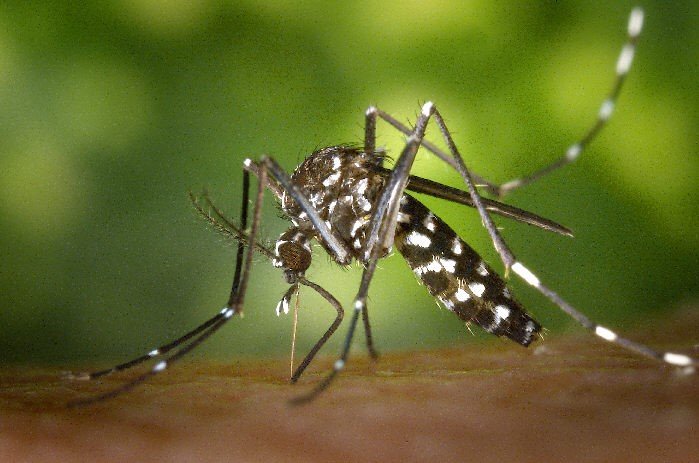
New Delhi, 24 July 2025: Bengaluru is currently witnessing a significant surge in dengue and chikungunya cases, with children and pregnant women being the most affected. This seasonal spike has raised alarm among healthcare providers as hospitals continue to report a growing number of fever-related admissions. The vulnerable immune systems of young children and the sensitive health conditions of expectant mothers make them especially susceptible to complications from these mosquito-borne illnesses, prompting an urgent need for heightened awareness and protective measures.
Both dengue and chikungunya are transmitted by the Aedes aegypti mosquito, which breeds in stagnant, clean water and thrives in humid, post-monsoon conditions. With Bengaluru receiving intermittent showers and experiencing waterlogging in several areas, the city has inadvertently become a breeding hotspot for mosquitoes. It is during these months that the chances of contracting these viruses increase significantly, especially in households and localities where water accumulates in flower pots, discarded containers, or construction sites. Recognising the symptoms early is crucial to timely treatment. Children infected with dengue or chikungunya often present with high fever, fatigue, body aches, rashes, and vomiting.
In the case of chikungunya, persistent joint pain and swelling may follow the fever and last for several weeks. For pregnant women, dengue poses more serious risks, such as internal bleeding, dehydration, and in some cases, premature labor or low birth weight. Chikungunya can also lead to long-term joint pain and fatigue, affecting overall maternal well-being. To minimise risk, parents must ensure their children are dressed in full-sleeved, light-coloured clothing and avoid mosquito-prone areas during early mornings and late afternoons when mosquito activity is at its peak. Using safe mosquito repellents, ensuring mosquito nets around sleeping areas, and maintaining good hygiene at home are key practices.
Pregnant women should avoid exposure during peak mosquito hours and keep their surroundings clean and dry to prevent breeding. In addition to personal precautions, households must eliminate mosquito breeding grounds by regularly emptying and scrubbing water containers, covering stored water vessels, and avoiding the accumulation of water in unused tires, pots, or broken vessels. Using mosquito screens on windows and doors, applying herbal repellents like neem or citronella oil, and avoiding strong perfumes that attract mosquitoes can provide additional protection. Early medical consultation is essential if any symptoms like persistent fever, rashes, abdominal pain, bleeding gums, or dizziness occur. In children, signs of drowsiness, refusal to eat or drink, and irritability should not be ignored. For pregnant women, immediate care is necessary if there are signs of dehydration, spotting, or reduced fetal movement.
Community participation also plays a vital role in preventing the spread of these infections. Neighborhoods must come together for cleanliness drives, avoid water stagnation in public spaces, and report mosquito breeding grounds to local authorities. Increased fogging operations and awareness campaigns by civic bodies can significantly aid in controlling the mosquito population. As the dengue and chikungunya spike continues, especially among the city’s most vulnerable groups, it becomes critical for every household to remain vigilant and proactive. Simple preventive actions and quick response to symptoms can help mitigate the risks and keep families safe during this high-risk season.

















Leave a comment