

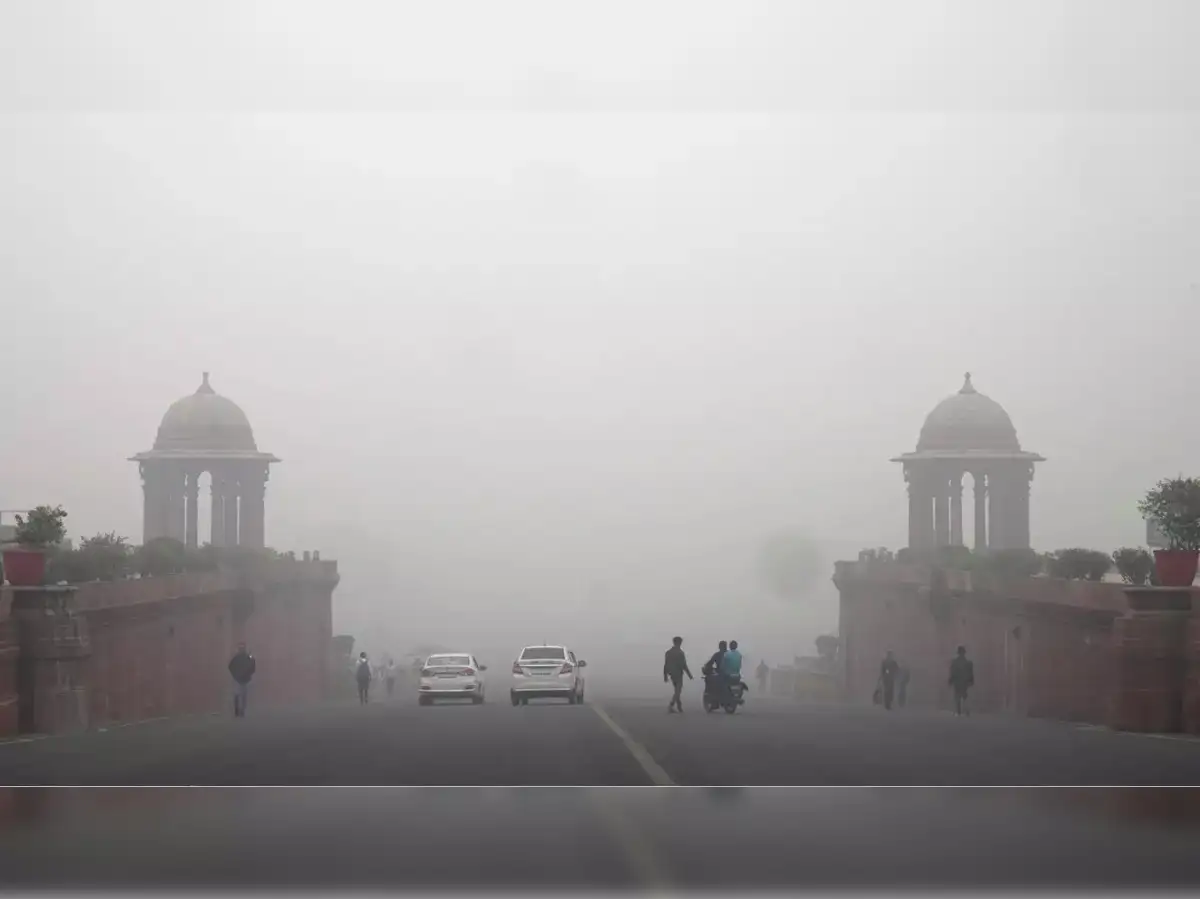
New Delhi, 20 October, 2025: he Air Quality Index (AQI) in Delhi crossed the 300 mark, falling into the ‘Very Poor’ category. In response, the Commission for Air Quality Management (CAQM) implemented Stage II of the Graded Response Action Plan (GRAP) across Delhi and the National Capital Region (NCR).
This stage brings into force several mandatory restrictions to curb emissions from high-impact sources such as construction activity, vehicular pollution, and diesel generators.
What is GRAP?
The Graded Response Action Plan (GRAP) is a framework created to reduce air pollution in Delhi-NCR. It outlines specific actions that must be taken based on the severity of air quality, which is measured by the AQI.
| GRAP Stage | AQI Range | Air Quality Category |
|---|---|---|
| Stage I | 201–300 | Poor |
| Stage II | 301–400 | Very Poor |
| Stage III | 401–450 | Severe |
| Stage IV | 450+ | Severe Plus/Emergency |
GRAP is enforced by the CAQM in coordination with local governments and pollution control boards.
GRAP Stage II: Key Restrictions Implemented
With the enforcement of Stage II, the following measures are mandated across Delhi-NCR:
1. Ban on Diesel Generator Sets
- The use of diesel generators (DG sets) is prohibited, except for essential services such as hospitals, elevators, and emergency facilities.
- Commercial and residential buildings are advised to switch to cleaner alternatives or power backup solutions that meet emission standards.
2. Controls on Construction and Demolition Activities
- Non-essential construction and demolition activities are restricted.
- Sites engaged in permitted construction must follow strict dust control measures, including covering of materials, use of anti-smog guns, and water sprinkling.
3. Road Dust Management
- Mechanical road sweeping and water sprinkling are mandated in pollution hotspots and along arterial roads.
- Use of dust suppressants is required on unpaved roads and construction sites.
4. Ban on Open Waste Burning
- Burning of solid waste, biomass, crop residue, and garbage is completely banned.
- Enforcement teams are instructed to inspect and penalize violators.
5. Traffic and Vehicular Restrictions
- Parking fees may be increased to discourage the use of private vehicles.
- Citizens are encouraged to use public transportation, carpooling, or alternative commuting methods to reduce emissions.
Why Delhi’s Air Quality Has Deteriorated
The spike in pollution during October is due to a combination of seasonal and human-made factors:
- Stubble burning in neighbouring states such as Punjab and Haryana
- Vehicular emissions due to high traffic volumes
- Construction dust and road emissions
- Use of firecrackers and industrial activities
- Weather conditions such as low wind speed and temperature inversion, which trap pollutants near the surface
This combination leads to a sharp increase in PM2.5 and PM10 levels, pushing the AQI into the “Very Poor” category or worse.
Health Impact of ‘Very Poor’ AQI Levels
At AQI levels above 300, the air quality is hazardous for all individuals, particularly:
- Children and senior citizens
- People with asthma, bronchitis, or cardiovascular conditions
- Pregnant women
Common symptoms may include:
- Irritation in eyes, nose, and throat
- Headaches, fatigue, and breathlessness
- Increased frequency of asthma attacks and respiratory distress
- Long-term exposure can lead to chronic respiratory diseases, reduced lung function, and even heart conditions
What Can Citizens Do During GRAP Stage II?
To protect your health and support pollution control efforts, citizens are advised to:
| Action | Benefit |
|---|---|
| Use N95 or certified pollution masks | Reduces inhalation of PM2.5 particles |
| Limit outdoor activity | Lowers exposure during high AQI periods |
| Use public transport or carpool | Helps reduce vehicular emissions |
| Avoid open burning or incense use | Reduces indoor and local pollution |
| Install air purifiers indoors (if possible) | Improves air quality inside homes |
Is GRAP Effective?
GRAP offers a clear and tiered approach to pollution control, but there are challenges:
- Reactive, not preventive: Measures come into force only after AQI levels deteriorate
- Enforcement gaps: Construction norms and generator bans may not be uniformly implemented
- Limited regional coordination: Pollution from outside Delhi-NCR (like crop burning) is harder to control
- Public awareness and participation are still limited in many areas
For long-term impact, experts stress the need for structural changes, such as promoting electric vehicles, stricter emission controls, urban green spaces, and renewable energy adoption.
Stay Informed, Stay Protected
Delhi’s battle with air pollution is ongoing, especially in the winter season when meteorological conditions worsen the crisis. The implementation of GRAP Stage II is a critical intervention, but the success of these measures depends on enforcement, awareness, and public cooperation.
As a resident or business in Delhi-NCR, staying informed about AQI levels and following GRAP advisories is essential for health and compliance. While long-term solutions take time, informed actions today can protect lives and the environment.












Leave a comment