

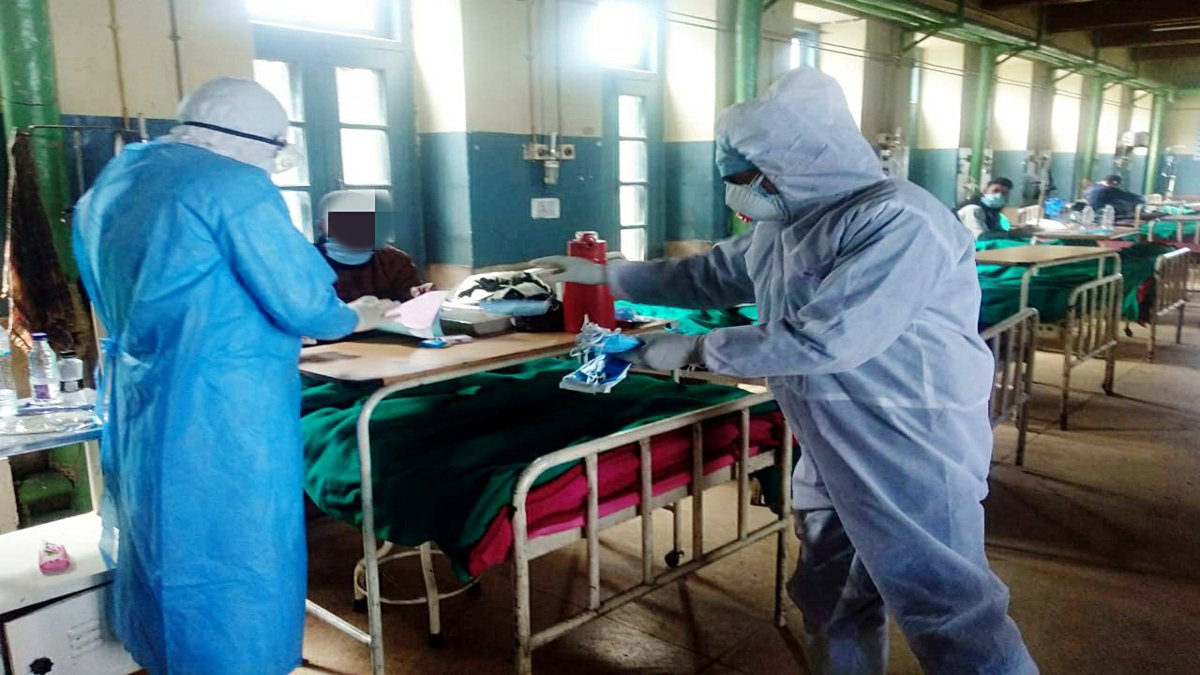
Ahmedabad: Amid reports about new COVID variants making a comeback, Gujarat has rpeorted the arrival of a new, and more life-threatening virus.In the last 24 hours, atleast 6 children have died in Gujarat from suspected Chandipura virus which affected about 12 people in the state, health minister Rushikesh Patel said on Monday.
“There are six suspected deaths due to Chandipura virus in the state. However, confirmation of whether these cases were indeed due to Chandipura disease will only be possible after the sample results are received,” he said in a video statement released on X, formerly Twitter.
Health authorities have issued an advisory to public to seek immediate medical attention if symptoms such as high-grade fever, vomiting, diarrhea, headache, or convulsions appear, especially in children.
Chandipura Virus: All You Need To Know About The Infection
The Chandipura Virus is part of the Rhabdoviridae family and is mainly spread through sandfly bites. Discovered in 1965 in the Chandipura village of Maharashtra, India, it mostly impacts children under 15. The virus leads to acute encephalitis, causing high fever, convulsions, and neurological issues.
Symptoms of Chandipura Virus
Symptoms usually appear 2 to 10 days after an infected sandfly bite. Early signs include fever, headache, vomiting, and dizziness. As the illness worsens, patients might have seizures, confusion, and even slip into a coma. Early diagnosis and treatment are vital to avoid serious outcomes.
How Does The Virus Spread?
The virus mainly spreads through bites from infected sandflies of the Phlebotomus genus, which are common in rural areas with poor sanitation. Human transmission is rare; sandflies are the main carriers. Using insect repellents and wearing protective clothing can help lower the infection risk.
Prevention and Control
Stopping the spread of the Chandipura Virus involves controlling sandfly populations. Proper waste management and keeping areas clean can reduce sandfly breeding sites. Community programs are essential to inform people about the virus and how to prevent it.
Treatment and Management
There is no specific antiviral treatment for Chandipura Virus. Care revolves around managing symptoms, like using intravenous fluids, fever-reducing medicines, and anticonvulsants. Severe neurological cases might need intensive care.

















Leave a comment