

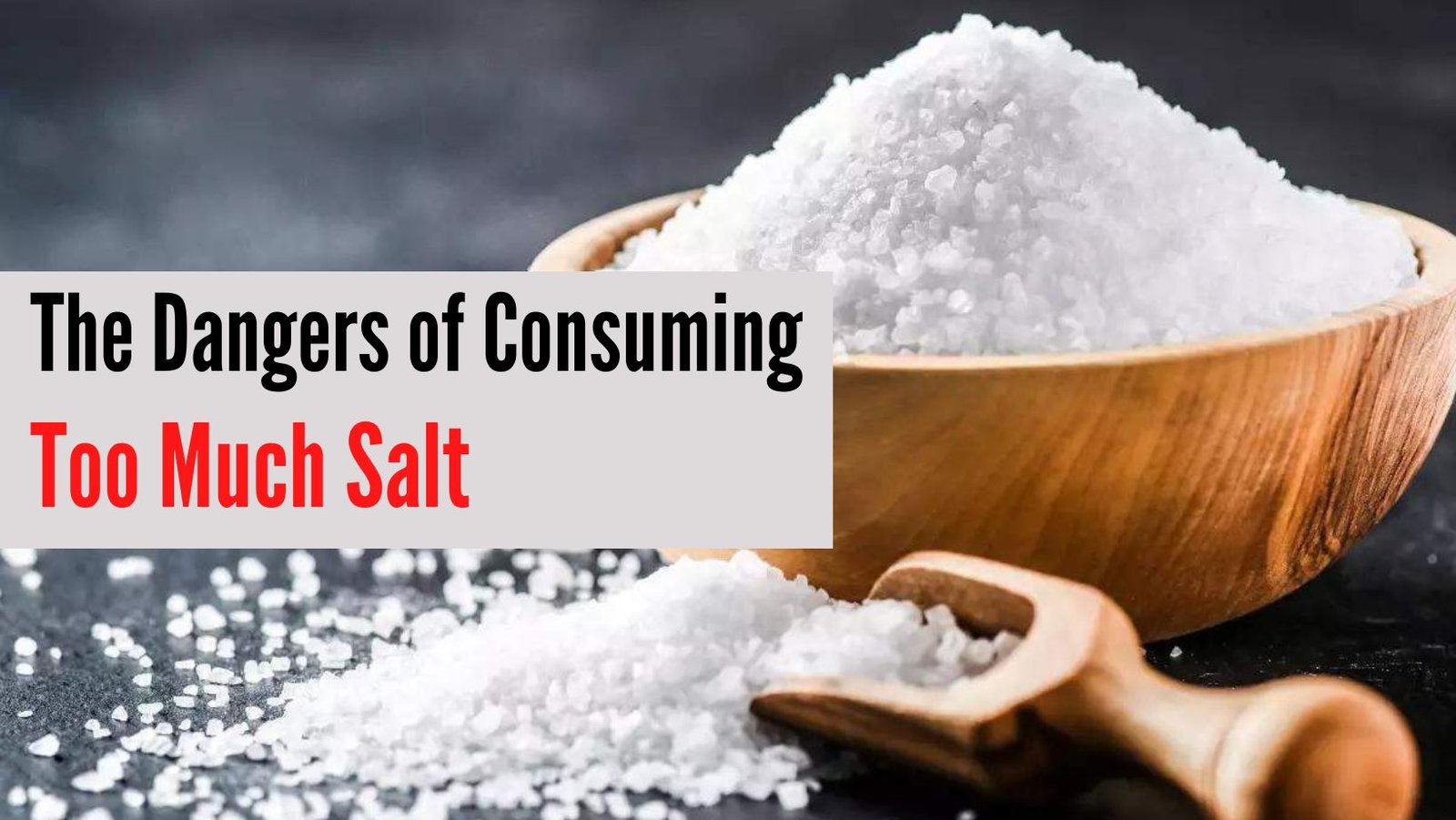
New Delhi, 12 November 2024: Recent findings suggest that consuming too much salt can greatly raise the risk of stomach cancer. Studies have shown that high levels of salt can harm the stomach lining, causing inflammation and increasing the chances of cancer cell growth. This highlights the importance of spreading awareness about salt intake and its health risks.
Why Is Salt Consumption a Concern?
While we often think of salt as a contributor to high blood pressure, its impacts stretch further. Eating too much salt can lead to various health problems, including heart issues and, as findings indicate, stomach cancer. The World Health Organization recommends keeping salt intake to under 5 grams per day to help reduce these risks. It’s essential to grasp the wider effects of salt on our health to make educated dietary choices.
The Mechanism Behind Salt-Induced Damage
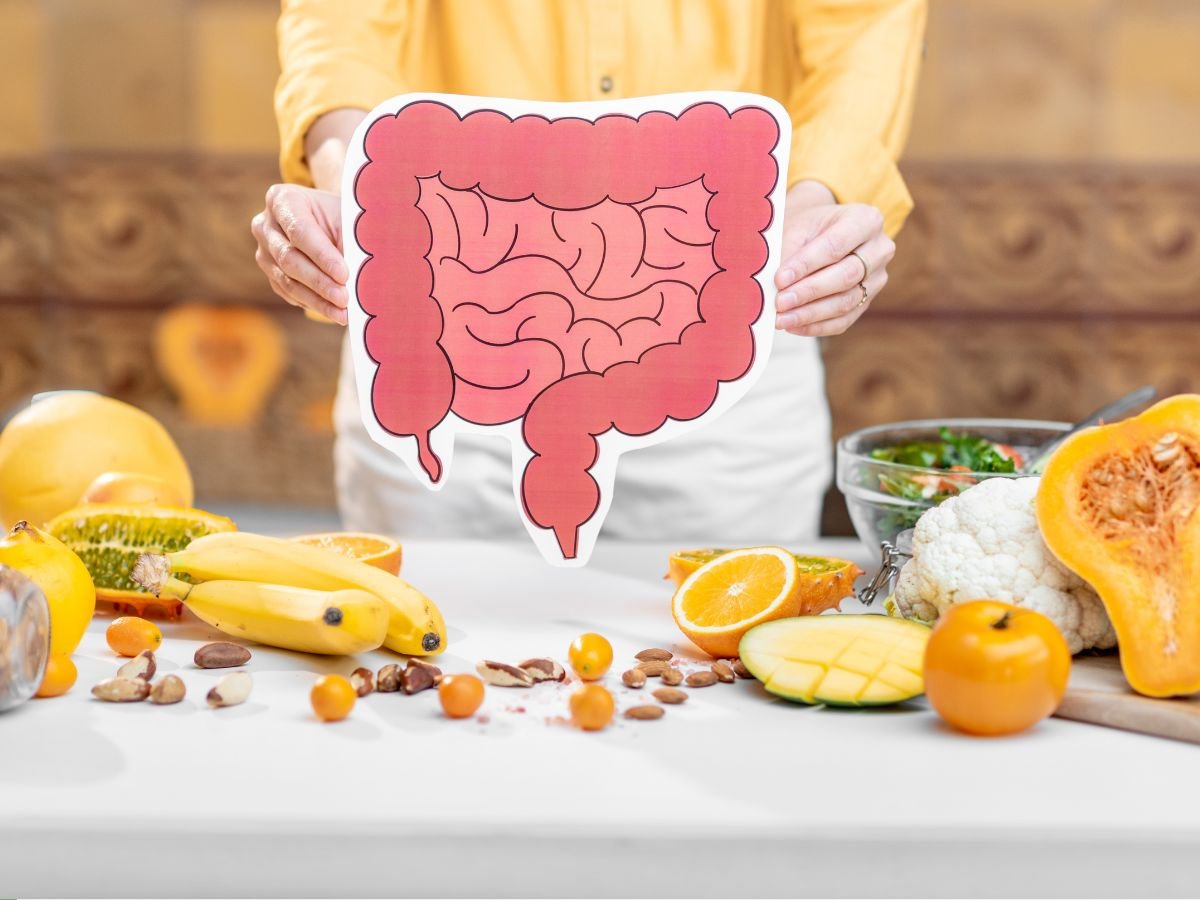
Salt can contribute to stomach cancer in several ways. First, it undermines the stomach’s protective lining, making it prone to harmful elements. Second, high salt levels can disturb the gut microbiome, encouraging harmful bacteria to thrive while decreasing beneficial ones. This imbalance can cause ongoing inflammation, which is a recognized precursor to cancer. Understanding these processes is key to recognizing the hazards of too much salt.
The Role of Processed Foods
Many processed foods are loaded with salt, making it tough for people to track their consumption. Snacks, canned goods, and fast-food options often contain high sodium levels, easily pushing individuals over the recommended daily limit. By staying informed about food labels and making healthier choices, individuals can cut down on their salt intake and reduce their cancer risk.
Keeping an eye on dietary habits is vital for good health. People should be encouraged to monitor their salt consumption, especially if they frequently eat processed foods. Incorporating fresh fruits, vegetables, and whole grains into meals can help reduce salt intake while enhancing overall nutrition.
How to Reduce Salt Intake
There are practical ways to cut back on salt. First, choosing fresh or frozen foods over processed options can make a big difference. Second, using herbs and spices to add flavor can minimize the need for salt. Lastly, cooking at home allows for more control over salt levels, enabling the preparation of healthier meals without sacrificing taste.
Read Also – Daily Water Intake for Weight Loss
Public health efforts are crucial in spreading the word about the risks of excessive salt consumption. Campaigns designed to highlight the connection between salt and stomach cancer can inspire healthier choices among individuals. It’s essential for governments and health organizations to work together to push for lower salt levels in processed foods and offer resources for healthier eating.
















Leave a comment