Avian influenza, particularly the H5N1 strain, has long been considered a disease confined to birds, but recent developments suggest that this virus is evolving in ways that could make it a significant human threat, raising alarms among scientists and public health authorities worldwide.
H5N1 is highly pathogenic in poultry, causing severe outbreaks in chickens, ducks, and other birds, and while human infections have historically been rare, they are often deadly, with a case fatality rate exceeding 50 percent, making even isolated infections a cause for concern.
The virus spreads primarily through direct contact with infected birds or contaminated environments, including poultry farms and live bird markets, but researchers have identified mutations in recent strains that could enhance its ability to bind to human respiratory cells, raising fears that sustained human-to-human transmission may be possible in the future.
Factors such as intensive poultry farming, deforestation, urban expansion into wildlife habitats, and global trade in birds create ideal conditions for the virus to mutate and spill over, increasing the likelihood of human exposure, while poor biosecurity in markets and farms can accelerate virus amplification.
Historical outbreaks in Southeast Asia, the Middle East, and parts of Europe have demonstrated that once the virus reaches humans, even limited transmission can have devastating consequences, especially in communities with inadequate healthcare infrastructure, and with global travel, a localized outbreak could quickly become an international concern.
Public health authorities are closely monitoring outbreaks in birds and humans, implementing culling programs, quarantines, and biosecurity measures to limit spread, but experts warn that the virus’s ability to evolve and adapt to new hosts makes containment an ongoing challenge. In addition, there is currently no widely available vaccine for H5N1 in humans, though several candidates are under development, and antiviral drugs like oseltamivir may only reduce severity if administered early, emphasizing the importance of prevention and surveillance.
Scientists are particularly concerned that each human infection represents an opportunity for the virus to acquire mutations that could increase its transmissibility or severity, making proactive monitoring and rapid response critical to preventing a potential pandemic scenario.
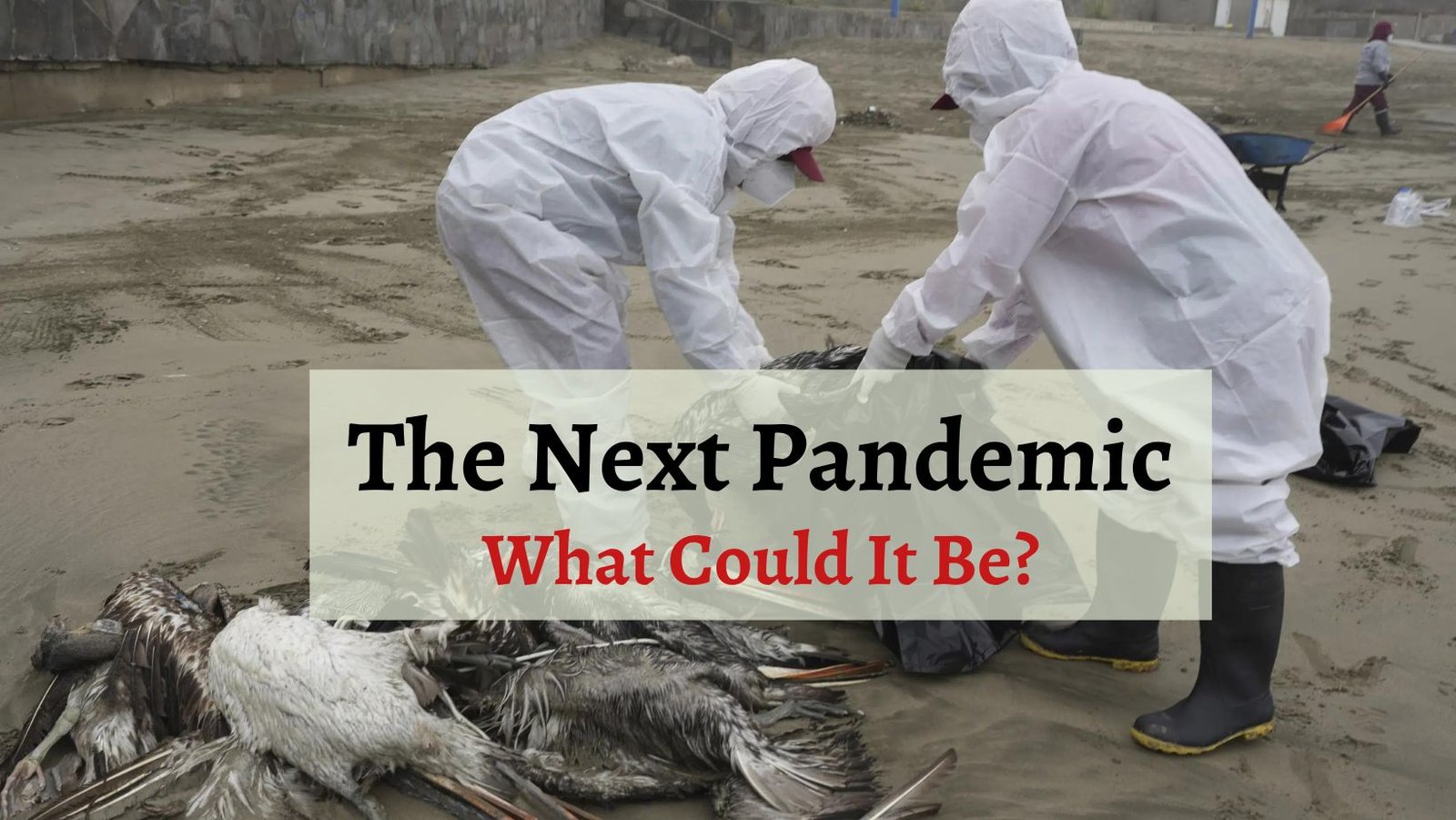
Public awareness is also essential, as avoiding contact with sick birds, practicing good hygiene, cooking poultry thoroughly, and reporting suspicious bird deaths are practical steps that can reduce the risk of spillover. The evolving nature of H5N1 underscores the interconnectedness of human, animal, and environmental health, highlighting the need for a One Health approach that integrates veterinary surveillance, wildlife monitoring, and public health preparedness.
While the virus has not yet achieved sustained human-to-human transmission, the combination of high mortality, ongoing mutations, and environmental pressures means that H5N1 remains one of the most dangerous avian viruses globally, and experts continue to stress vigilance, research, and early detection as the best defenses against a potentially catastrophic outbreak.
Understanding the virus, mitigating human exposure, and strengthening global preparedness are therefore not optional measures but essential steps to prevent a bird-borne threat from becoming a human catastrophe.