


New Delhi, 18 September, 2025: Air pollution has become one of the deadliest environmental health threats in India, and doctors are now warning that its impact goes far beyond respiratory illness. According to oncologists, long-term exposure to toxic air is fueling a new wave of cancer cases, particularly in women who have never smoked in their lives.
India is home to 14 of the world’s 20 most polluted cities, according to the World Air Quality Index. With levels of particulate matter (PM2.5 and PM10) consistently above safe limits set by the World Health Organization (WHO), millions are breathing air laced with carcinogens. Now, evidence is pointing toward a disturbing trend: lung and breast cancers linked to environmental pollution, even among non-smokers.
How Air Pollution Becomes a Silent Carcinogen
Oncologists explain that air pollution is a toxic mix of fine particles, heavy metals, industrial emissions, vehicular exhaust, and other pollutants that damage the lungs and bloodstream.
- Particulate matter (PM2.5): These microscopic particles penetrate deep into the lungs, causing inflammation, genetic mutations, and eventually triggering cancerous growths.
- Nitrogen dioxide (NO₂) and sulfur dioxide (SO₂): Emitted from traffic and industry, these gases inflame lung tissue and contribute to oxidative stress.
- Carcinogenic chemicals like benzene and formaldehyde found in polluted air have long been linked to cancer risk.
Unlike smoking, where the risk is concentrated among users, air pollution is universal—affecting men, women, children, and the elderly regardless of lifestyle.
The Alarming Rise of Cancers in Non-Smokers
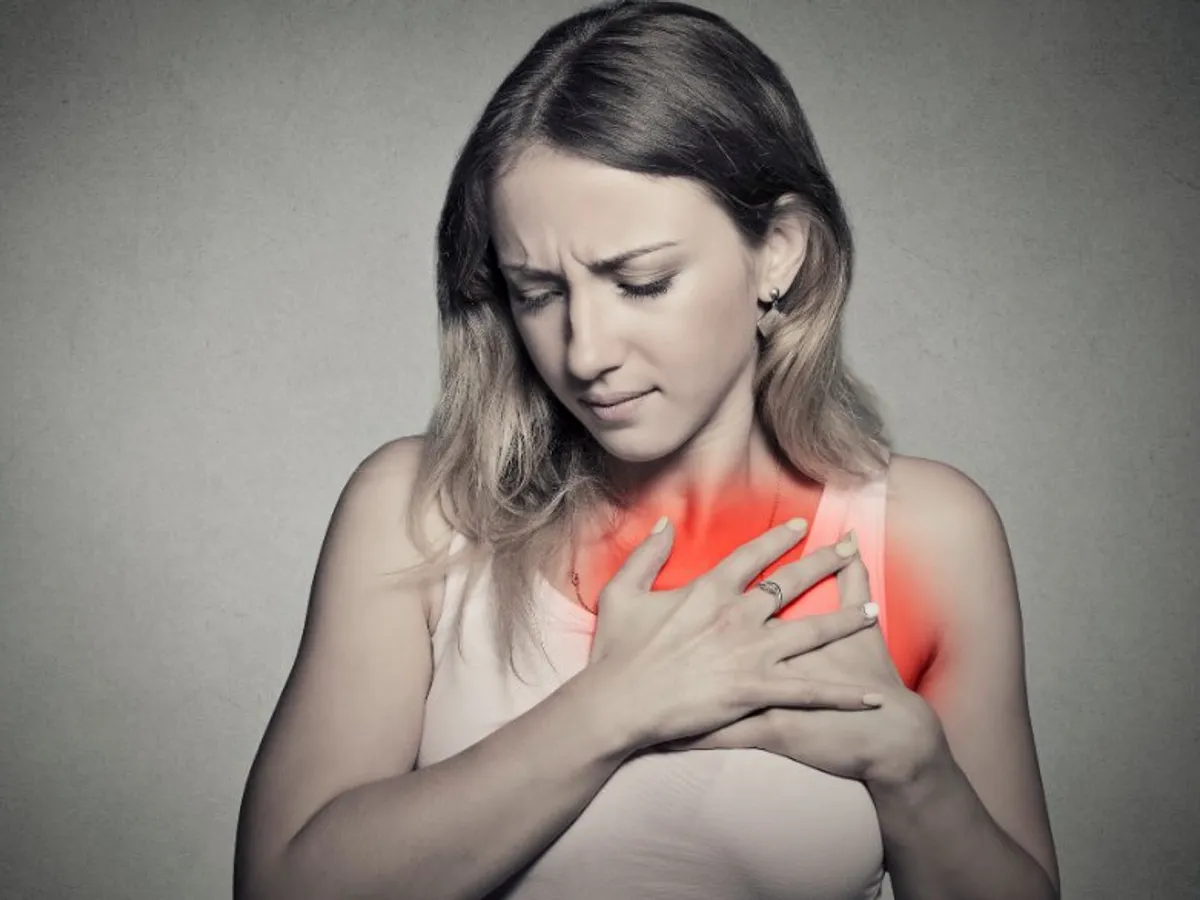
Traditionally, lung cancer has been strongly associated with smoking. But Indian doctors are increasingly diagnosing lung cancer in non-smokers, particularly women living in urban areas.
One oncologist noted:
“We are seeing younger women, homemakers, and professionals who have never smoked but are being diagnosed with advanced-stage lung cancer. The common factor is prolonged exposure to polluted air.”
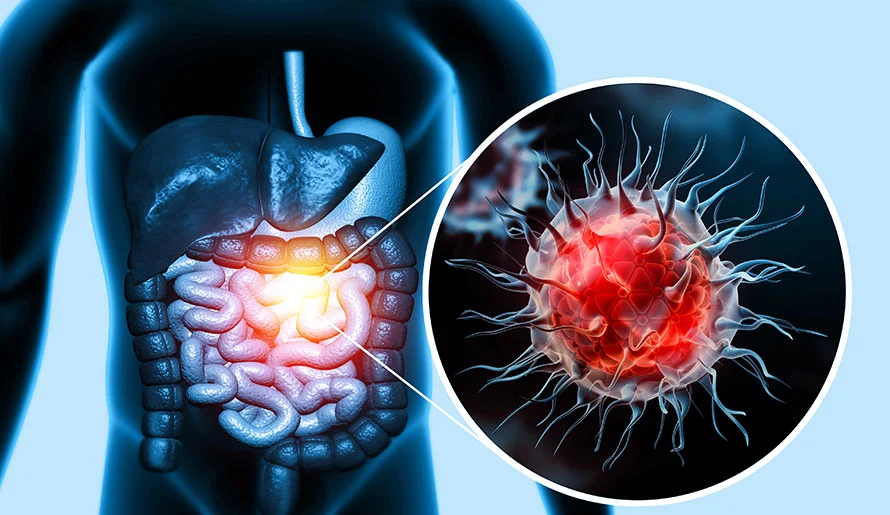
In addition to lung cancer, studies suggest that breast, bladder, and cervical cancers may also be influenced by long-term exposure to environmental toxins present in air.
Why Women Are at Higher Risk
Several factors make Indian women particularly vulnerable:
- Indoor Air Pollution – Many households still use biomass fuels, releasing toxic smoke indoors. Combined with poor ventilation, this doubles the exposure.
- Longer Time Spent Indoors – Women, especially homemakers, often spend more time at home, where indoor air is polluted by cooking fumes, incense, and poor ventilation.
- Biological Susceptibility – Some research suggests that women’s lung tissue may be more sensitive to pollutants, making them more prone to damage.
- Secondhand Smoke and Urban Exposure – Even women who avoid smoking are exposed to secondhand smoke and toxic outdoor air daily in metropolitan cities.
Evidence Linking Air Pollution to Cancer
- The International Agency for Research on Cancer (IARC) classified outdoor air pollution and particulate matter as Group 1 carcinogens in 2013, meaning there is sufficient evidence of their cancer-causing potential in humans.
- A 2022 Lancet study found that air pollution contributed to over 2 million new cancer cases globally each year.
- In India, the Indian Council of Medical Research (ICMR) has reported a steady increase in lung cancer among non-smokers, with a disproportionate rise among women.
Symptoms of Lung Cancer in Non-Smokers
Oncologists caution that lung cancer in non-smokers often goes undetected until advanced stages because symptoms are mistaken for common respiratory illnesses. Warning signs include:
- Persistent cough lasting more than 2–3 weeks
- Shortness of breath
- Wheezing or chest pain
- Recurrent respiratory infections
- Coughing up blood
- Unexplained weight loss and fatigue
Women experiencing these symptoms—especially those living in polluted cities—are urged to consult a doctor without delay.
Prevention: What Experts Recommend
While individuals cannot control outdoor air quality, oncologists and public health experts recommend steps to reduce personal risk:
1. Monitor Air Quality Daily
Use air quality index (AQI) apps to track pollution levels and avoid outdoor activities during peak hours.
2. Wear Protective Masks
High-quality N95 or N99 masks filter out most particulate matter and should be worn in heavily polluted areas.
3. Improve Indoor Air Quality
- Use air purifiers with HEPA filters.
- Ventilate kitchens properly.
- Avoid burning incense sticks or candles for long periods.
- Switch to cleaner cooking fuels like LPG or electricity.
4. Strengthen Immunity Through Diet
Doctors recommend antioxidant-rich foods such as fruits, vegetables, nuts, and green tea, which can counter oxidative stress caused by pollution.
5. Regular Health Screenings
Women above 35, especially those in metro cities, should consider annual health check-ups, including low-dose CT scans for early detection of lung cancer if recommended by their doctor.
The Bigger Picture: Public Health and Policy Action
Experts stress that individual precautions, while helpful, cannot replace systemic solutions. Stronger policy measures are needed to tackle the root of the problem.
What Governments Must Do:
- Enforce stricter emissions standards for industries and vehicles.
- Promote renewable energy and phase out coal-based power plants.
- Invest in green public transport and urban planning.
- Encourage large-scale tree plantation drives to act as natural air filters.
Role of Communities:
- Citizens can demand cleaner air policies from local authorities.
- Community-driven awareness campaigns can educate people about health risks.
- Schools and workplaces can adopt air-quality monitoring systems.
Emotional and Social Impact
Cancer caused by air pollution carries not just physical but emotional consequences. Many women diagnosed with lung cancer face shock and disbelief, as they have never smoked and do not fit the “typical” patient profile. Families also bear the heavy financial and psychological burden of long-term cancer care.
Oncologists emphasize the need for awareness campaigns that challenge outdated stereotypes about who is at risk of cancer. Everyone—regardless of lifestyle choices—is vulnerable when air quality remains toxic.
The oncologists’ warning is a wake-up call for India. The narrative of lung cancer as a “smoker’s disease” no longer holds true. Air pollution is silently driving cancer cases among women and men who have never touched a cigarette.
Protecting oneself requires both personal precautions and collective action. Wearing masks, using purifiers, and regular health check-ups can reduce individual risk, but the long-term solution lies in cleaner air policies, reduced emissions, and community participation.
Cancer prevention begins not just in hospitals but in the air we breathe. For India, tackling pollution is no longer just about fighting climate change or smog—it is about saving lives, especially those of women who never chose the risk but are living with its deadly consequences.














Leave a comment