

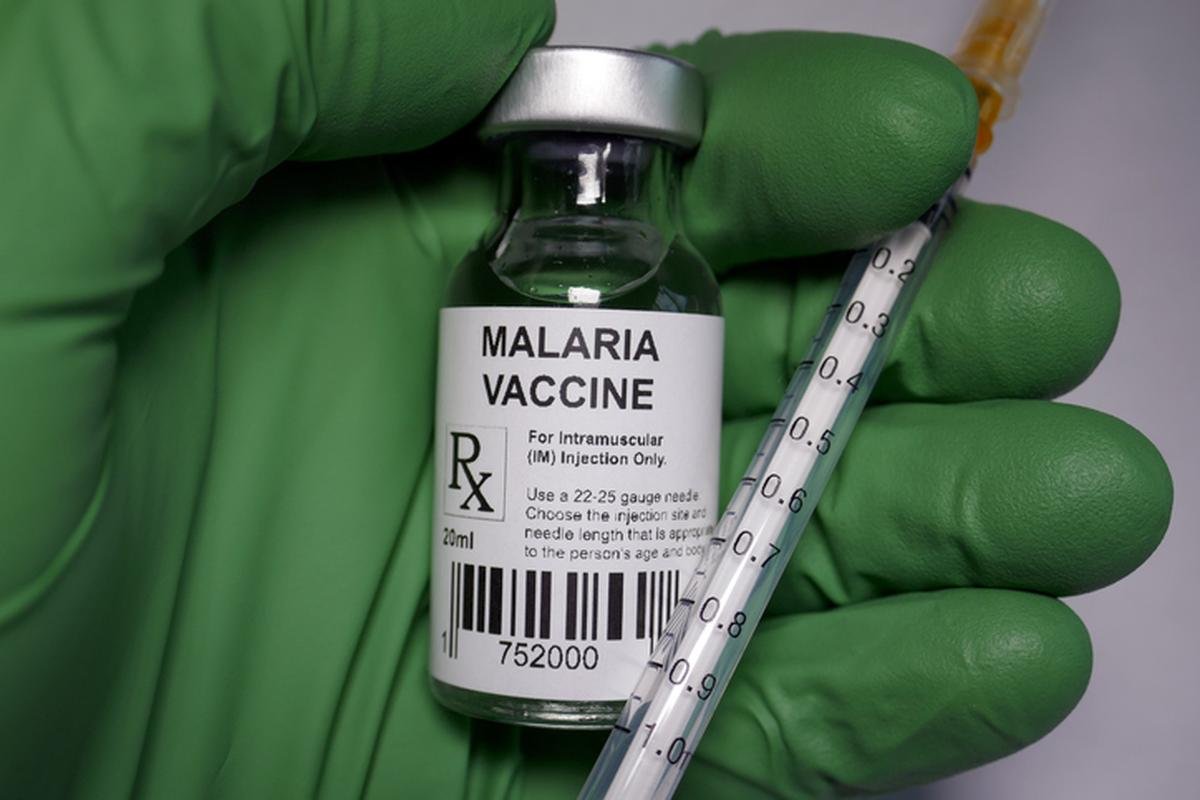
New Delhi, 14 September, 2025: For decades, India has battled malaria — a mosquito-borne disease that continues to claim thousands of lives every year. Despite awareness drives, improved sanitation, and government initiatives to reduce mosquito breeding, malaria remains one of the biggest public health challenges in the country. But a breakthrough has finally arrived: India has developed its first malaria vaccine, AdFalciVax, which experts believe could be a game-changer in the country’s decades-long fight against this deadly disease.
This vaccine represents a landmark achievement not just for India’s healthcare system but also for global malaria eradication efforts. In this article, we explore what AdFalciVax is, how it works, why it matters, and what the future of malaria prevention could look like with this revolutionary step.
The Malaria Burden in India
Malaria has been a persistent problem in India, especially in states like Odisha, Chhattisgarh, Jharkhand, Madhya Pradesh, and parts of the Northeast. According to the World Health Organization (WHO), India contributes significantly to malaria cases in the Southeast Asia region.
- Every year, millions of Indians are at risk of contracting malaria.
- The disease disproportionately affects rural areas with poor access to healthcare.
- Children under 5 and pregnant women are especially vulnerable.
- Malaria-related deaths, though reduced over the past decade, still remain a major health concern.
India had pledged to eliminate malaria by 2030. The launch of AdFalciVax may accelerate that mission.
What is AdFalciVax?
AdFalciVax is India’s first indigenously developed malaria vaccine, designed to target Plasmodium falciparum — the deadliest malaria parasite responsible for most severe cases and deaths.
Unlike previous preventive measures such as mosquito nets, repellents, and insecticide spraying, AdFalciVax provides direct immunity against the parasite, reducing the risk of infection and complications.
How Does the Vaccine Work?
AdFalciVax works by stimulating the immune system to recognize and fight the malaria parasite before it can establish a serious infection in the body.
- The vaccine uses recombinant protein technology, a modern approach where proteins from the parasite are used to train the immune system.
- Once administered, the vaccine prepares the body to attack the parasite upon exposure.
- Clinical trials suggest that it can significantly reduce the chances of severe malaria and related hospitalizations.
Why This Vaccine is a Game Changer
- Indigenous Development – India now has its own malaria vaccine, reducing dependency on global supply.
- Affordable Access – Being locally developed, it is expected to be cost-effective, ensuring wider distribution.
- High-Risk Protection – Vulnerable populations like children, tribal communities, and people in endemic zones will benefit the most.
- Accelerates Malaria-Free India Goal – Supports the government’s vision of malaria elimination by 2030.
- Boosts India’s Global Health Leadership – Showcases India’s biotech strength, similar to its COVID-19 vaccine achievements.
Expert Insights
Public health experts believe that vaccines are one of the most powerful tools against infectious diseases. With AdFalciVax, India joins a handful of nations that have successfully developed malaria vaccines.
- Doctors emphasize that while mosquito control measures will still be essential, the vaccine adds a new layer of protection.
- Researchers highlight that widespread immunization can reduce hospital burden, save healthcare costs, and prevent deaths.
- Policy makers note that integrating AdFalciVax into India’s Universal Immunization Programme (UIP) could maximize its reach.
Comparison with Other Malaria Vaccines Worldwide
Globally, two malaria vaccines have gained attention in recent years:
- RTS,S/AS01 (Mosquirix) – Developed by GlaxoSmithKline, it was the world’s first malaria vaccine approved by the WHO. It showed moderate efficacy in African children.
- R21/Matrix-M – Developed by the University of Oxford and Serum Institute of India, it has shown higher efficacy in clinical trials.
AdFalciVax adds to this growing arsenal, making India one of the leaders in malaria vaccine innovation.
Challenges Ahead
While the vaccine is a historic milestone, challenges remain in its large-scale rollout:
- Distribution in remote areas – Rural and tribal populations are the hardest hit by malaria but often lack access to healthcare facilities.
- Awareness campaigns – Many people may not know about the vaccine or may be hesitant to take it.
- Multiple doses – Like many vaccines, AdFalciVax may require more than one dose, raising logistical challenges.
- Funding & infrastructure – Large-scale immunization requires government support, strong supply chains, and cold storage.
Role of the Government and Healthcare System
The success of AdFalciVax will depend on how effectively the government integrates it into existing malaria prevention programs.
- National Vector Borne Disease Control Programme (NVBDCP) will play a crucial role in vaccine implementation.
- Collaboration with state health departments will ensure targeted vaccination in high-risk zones.
- Partnerships with international health agencies like WHO and UNICEF can provide technical and financial support.
Benefits Beyond Malaria Control
Introducing AdFalciVax into the public health system will not only reduce malaria deaths but also bring multiple indirect benefits:
- Economic benefits – Reduced hospital bills and improved productivity as fewer people miss work due to illness.
- Better child survival rates – Children under 5 are the worst hit by malaria; this vaccine can save thousands of young lives.
- Strengthened health infrastructure – Cold chain networks, awareness campaigns, and training will boost the overall healthcare system.
Public Reaction and Hopes for the Future
The launch of AdFalciVax has been welcomed across the country. Families in malaria-prone states are hopeful that this vaccine will save future generations from the pain and fear of the disease.
Experts believe that if implemented effectively, India could see a sharp decline in malaria cases within the next 5–7 years, bringing the country closer to its Malaria-Free 2030 mission.
The development of AdFalciVax, India’s first malaria vaccine, is a monumental achievement in the country’s public health journey. By offering protection against Plasmodium falciparum, it provides hope to millions of Indians living under the constant threat of malaria.
While challenges in distribution and awareness remain, the vaccine has the potential to transform India’s fight against malaria, reduce deaths, and inspire global confidence in India’s scientific capabilities. Just as India contributed significantly to COVID-19 vaccination efforts worldwide, AdFalciVax marks another milestone in establishing India as a leader in affordable and innovative healthcare solutions.
If implemented with the same determination, India could soon turn malaria into a disease of the past.














Leave a comment