

Experts and officials from ministries of health, social welfare and empowerment from countries in WHO South-East Asia Region discussed measures to improve health and care services for the older persons and a Regional Strategy on Healthy Ageing during a three-day meeting that concluded here today.
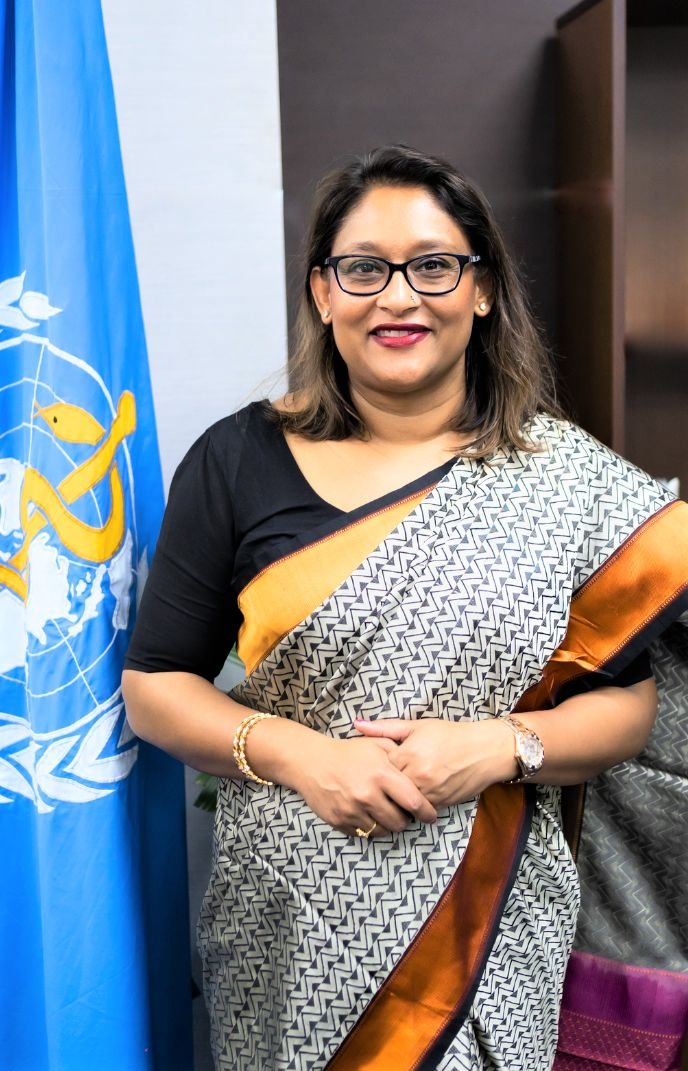
“Today, 12.6 % of our Region is aged 60 or above. By the year 2030, this will jump to nearly 14%, and by 2050 it will reach a staggering 23.6%. Managing this demographic shift presents challenges, yet also represents an opportunity. Older individuals, when equipped with good health and well-being, can play active roles in the workforce, contribute to the economy through various means, and pass on invaluable wisdom and experience to younger generations,” Ms Saima Wazed, Regional Director WHO South-East Asia, said.
Countries have been making efforts as part of the United Nations Decade of Healthy Ageing (2021–2030), which is aligned with the Sustainable Development Goals and aims to foster longer and healthier lives. The decade focuses on combatting ageism, creating age-friendly environments, providing integrated care (ICOPE), and ensuring access to long-term care, she said.
The Regional Director said significant efforts and progress has been reported since 2020, particularly in legislation and strategies to combat age-based discrimination. However, resource constraints remain a challenge, underscoring the need for increased commitment and investment.
“Let us learn from each other and explore collaborative strategies to accelerate the implementation of the UN Decade of Healthy Ageing 2021-2030 in our Region,” Ms Wazed said.
The meeting discussed system strengthening to deliver person-centered and responsive primary health services to older persons and strengthening and sustaining capacity of health system to deliver integrated health and care services to them.
The experts and officials at the meeting worked on an evidence-based regional strategy for healthy ageing—a blueprint that WHO and Member countries in the Region will collaborate on in the years to come, in consonance with the WHO South-East Asia Regional Roadmap for Results and Resilience (2024-2029) that was endorsed by member countries last month.
Earlier, WHO and Member countries developed the Regional Framework for healthy ageing (2018–2022), and training packages for health-care providers on Integrated Care for Older People.
By 2050, the Region is expected to be home to 480 million older people. These numbers are indicative of significant strides we’ve made. Over the past three decades, we’ve witnessed an increase in life expectancy by eight years, alongside empowering women and reducing fertility rates, the Regional Director said.
















Leave a comment