

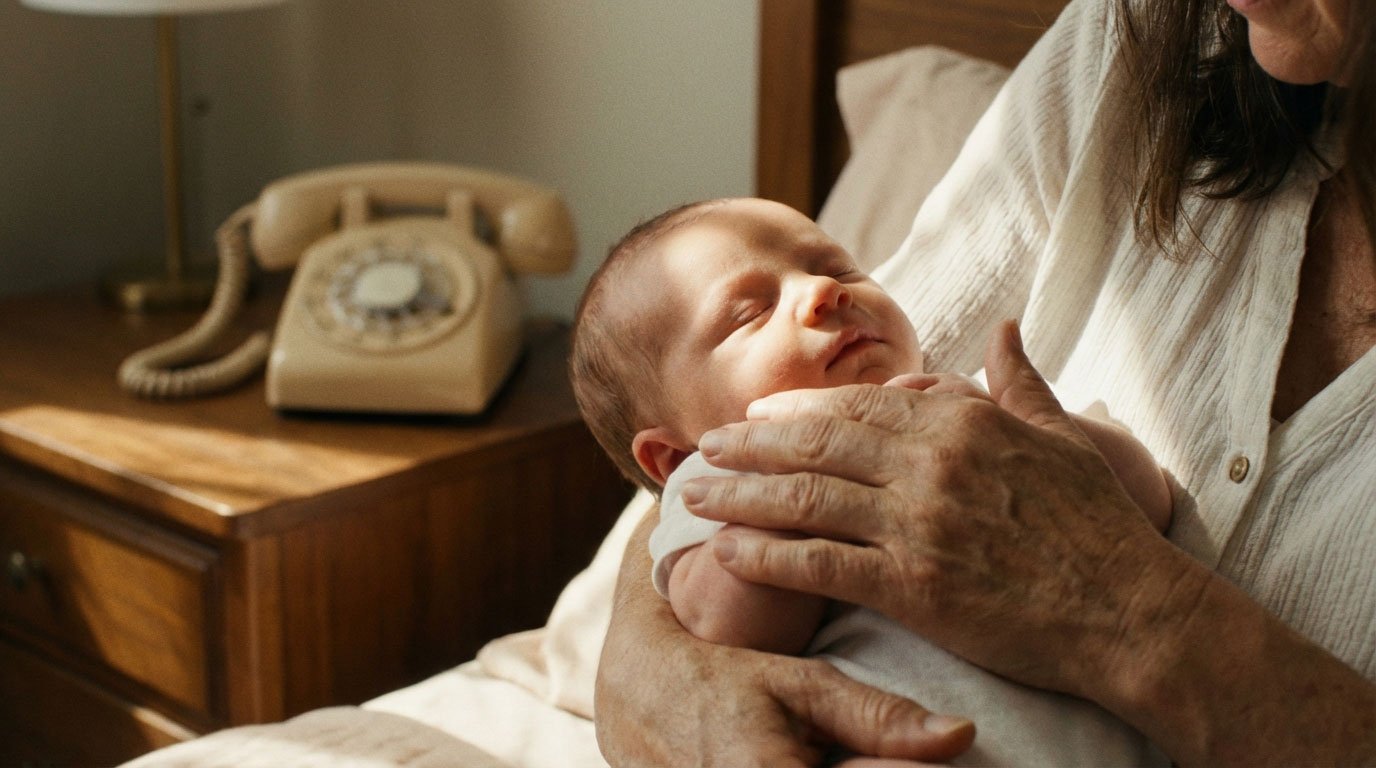
Do you know, congenital hypothyroidism, a rare disability affects about 1 in 2,500–3,000 newborns globally, but in India the incidence is higher—approximately 1 in 1,000 births.India records nearly 26 million births annually, with an estimated 10,000 babies born each year with Congenital Hypothyroidism.This means 27 babies are born every day in India with the condition—more than one every hour.Early treatment within the first 2 weeks of life can ensure normal brain development, while delayed treatment can reduce IQ by 30–50 points – Dr. R. Kishore Kumar, President – National Neonatology Forum of Karnataka (2025–27) and Founder Chairman & Neonatologist, Cloudnine Group of Hospitals
Congenital Hypothyroidism (CH) is a condition present at birth in which a baby’s thyroid gland does not produce enough thyroid hormone. The thyroid is a small gland located in the neck. It produces a hormone called thyroxine (T4), which is essential for brain development, growth, and overall body metabolism. Thyroid hormone is especially important in the first few weeks of life. Without it, a baby’s brain cannot develop normally. The good news is that Congenital Hypothyroidism is easily detectable and completely treatable if identified early.
Why Is Thyroid Hormone Important in Newborns?
Thyroid hormone helps in:
- Brain development
- Physical growth
- Bone development
- Muscle strength
- Energy regulation
If a baby does not receive enough thyroid hormone soon after birth, it can lead to permanent intellectual disability and growth problems. Early diagnosis prevents this.
Read More: Why the Fight Against Pediatric Heart Disease Starts Before Birth
What Causes Congenital Hypothyroidism?
Congenital Hypothyroidism may occur because:
- The thyroid gland is completely absent.
- The thyroid gland is underdeveloped.
- The gland is present but does not function properly.
- Rarely, the baby cannot produce or use thyroid hormone correctly.
Most cases are not inherited and happen by chance.
What Are the Symptoms?
One of the biggest challenges with Congenital Hypothyroidism is that most babies look completely normal at birth.
However, over time, some signs may appear:
- Excessive sleepiness
- Poor feeding
- Constipation
- Prolonged jaundice (yellowing of skin and eyes)
- Hoarse cry
- Large tongue
- Puffy face
- Cold or dry skin
- Slow growth
These symptoms usually appear after a few weeks, which may already be too late to prevent brain damage. That is why newborn screening is essential.
How Is Congenital Hypothyroidism Detected?
1. Newborn Screening Test (Heel-Prick Test)
This is the most important test.
- A few drops of blood are taken from the baby’s heel.
- It is usually done 48–72 hours after birth, but can be done soon after birth on the cord blood too.
- The test measures Thyroid Stimulating Hormone (TSH).
If TSH levels are high, it suggests that the thyroid is not functioning properly.
This test is simple, safe, quick, and affordable.
2. Confirmatory Blood Tests
If the screening test is abnormal, the doctor will order:
- Serum TSH test
- Free T4 (thyroxine) level
High TSH and low T4 confirm the diagnosis.
3. Thyroid Scan (If Needed)
In some cases, imaging tests such as:
- Ultrasound of the neck(Less accurate)
- Nuclear Medicine Thyroid scan(More accurate)
may be done to check whether the gland is absent, small, or misplaced.However, treatment should not be delayed while waiting for imaging.
When Should Treatment Start?
Treatment should begin as early as possible—ideally within the first 14 days of life.
Starting treatment within the first two weeks allows normal brain development.
Delaying treatment increases the risk of permanent intellectual disability.
Doctors will monitor:
- TSH levels
- T4 levels
- Baby’s growth and development
Initially, blood tests are done every 2–4 weeks, then less frequently as the child grows.Proper follow-up ensures the dose remains correct.Some babies may need treatment for life.In certain cases, doctors may reassess thyroid function after 3 years of age to see whether the condition is temporary or permanent.Most children who receive early and proper treatment grow up with completely normal intelligence and physical development.
Can Congenital Hypothyroidism Be Prevented?
Most cases cannot be prevented. However:
- Universal newborn screening can prevent intellectual disability.
- Ensuring adequate iodine intake during pregnancy helps reduce risk.
The key is early detection—not prevention.
Why Early Screening Is So Important
A baby with Congenital Hypothyroidism may look perfectly healthy. Without screening, diagnosis may be delayed until symptoms appear—by then, brain development may already be affected.
With early testing:
- Diagnosis is simple
- Treatment is affordable
- Outcome is excellent
Without testing:
- Intellectual disability can occur
- Growth may be affected
- The child may require lifelong support
Congenital Hypothyroidism is one of the most preventable causes of intellectual disability in children.A small heel-prick test in the first few days of life can protect your baby’s brain forever.If you are expecting a baby or have a newborn, speak to your doctor about newborn thyroid screening.Early diagnosis. Simple treatment. Normal life.
Image CC – www.healthcareontime.com/health-tips/congenital-hypothyroidism-in-newborns-the-complete-parent-guide

















Leave a comment