
H3N2 Outbreak In Delhi-NCR: The national capital of India, Delhi is going through an outbreak of the H3N2 flu, a type of influenza A virus. Hospitals have issued an alert to inform the public about this deadly strain, its symptoms, and how to recover promptly. Knowing the nature of H3N2 and how it infects the body can also lead the citizens to take appropriate measures and consult a doctor early if necessary.
So how to know if you are infected with the virus? In this article, we take a close look at the top signs that the body sends when it contracts the H3N2 virus.
What Is H3N2 Virus?
The H3N2 virus, a subtype of Influenza A, has gained global attention due to its rapid spread and significant health impact. Many people searching online want to understand what is H3N2 and why it is spreading so widely. This virus is responsible for seasonal flu outbreaks and is known for its high transmission rate and severe symptoms, particularly in vulnerable populations. In this article, we’ll discuss the H3N2 flu, its symptoms, treatment options, and preventive measures, including common H3N2 symptoms to watch for.
Extremely High Fever Accompanied By Body Ache
One of the earliest and most common signs of H3N2 flu is a sudden high fever, often rising above 101°F (38.3°C). Unlike a mild cold, flu-related fever tends to appear abruptly, last for three to five days, and is often accompanied by chills, sweating, and body discomfort. Doctors caution that persistent fever should never be ignored, especially in young children and elderly individuals, as it may signal a more intense viral infection.
Persistent Cough And Congestion
A dry, worsening cough is another hallmark symptom of H3N2 infection. Many patients describe the cough as deep, irritating, and persistent, sometimes continuing even after the fever begins to subside. In some cases, it may become painful in the chest. Health experts warn that a prolonged cough can indicate inflammation in the airways and may progress into complications such as bronchitis or even pneumonia if not monitored carefully.
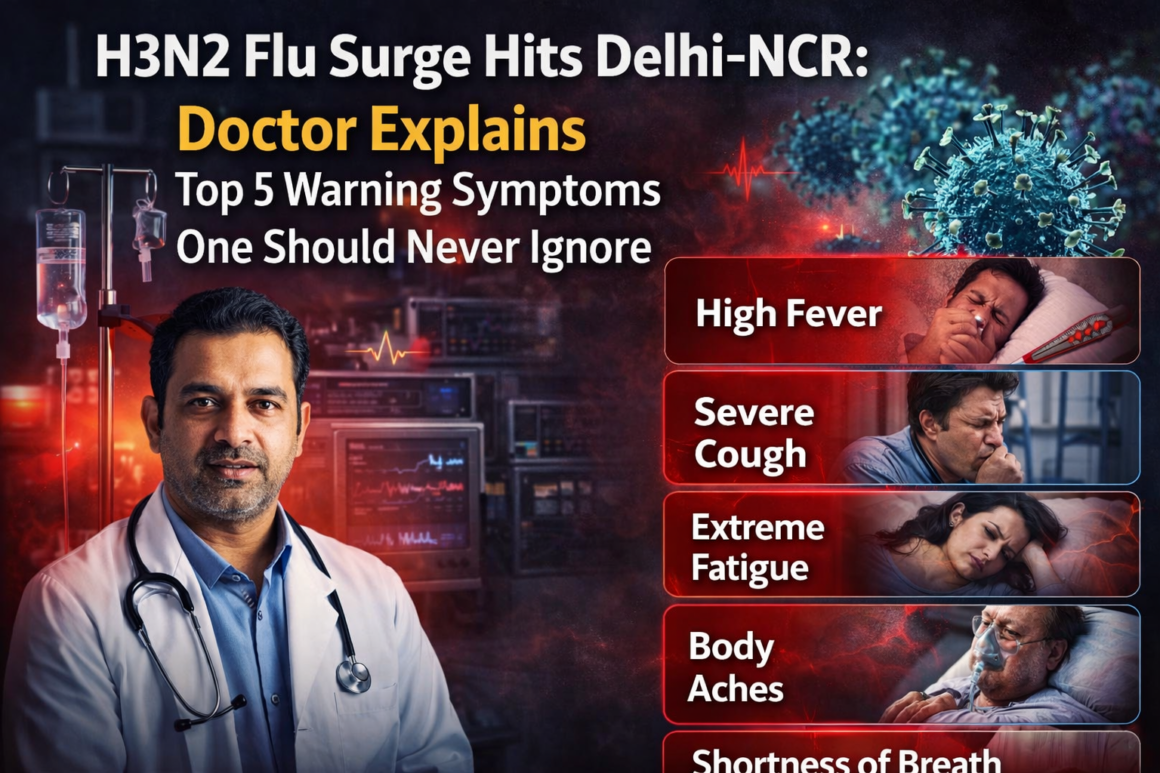
Extreme Weakness And Fatigue
Unlike the common cold, influenza often causes intense fatigue that can leave patients feeling drained and bedridden. People infected with H3N2 frequently experience severe tiredness, muscle weakness, and difficulty carrying out daily tasks. This exhaustion may continue for several days, even after other symptoms begin improving, making rest and recovery essential.
Severe Muscle Ache And Joint Pain
Flu viruses trigger widespread inflammation in the body, which is why many patients experience strong muscle aches and pain. Common complaints include leg and back pain, joint stiffness, and headaches. These aches are often more intense than those seen in routine viral infections and can make even simple movements uncomfortable during the illness.
Difficulty In Breathing
Shortness of breath or chest tightness is one of the most serious warning signs of H3N2 flu. While mild cases can often be managed at home, symptoms such as difficulty breathing, wheezing, severe weakness, or bluish lips may indicate dangerous complications like pneumonia or worsening lung infection. In such situations, immediate medical attention becomes critical.
Who Is at Higher Risk of Severe Illness?
Doctors say certain groups are more vulnerable to severe complications from H3N2 flu. These include children under five, adults over 65, pregnant women, and people with asthma or chronic lung conditions like COPD. Individuals with diabetes, heart disease, or weakened immunity are also at higher risk and should remain extra cautious during the current flu surge in Delhi-NCR.
How Is H3N2 Different From a Common Cold?
Many people confuse flu with the common cold, but influenza symptoms are usually more sudden and severe. Flu is often accompanied by high fever, intense body pain, exhaustion, and a greater likelihood of complications. In contrast, a cold typically causes mild sneezing, nasal congestion, and throat irritation without affecting the entire body as strongly as influenza does.
Treatment and Recovery
There is no instant cure for influenza, but early supportive care can significantly ease symptoms and reduce the risk of complications. Doctors recommend plenty of rest, staying well-hydrated, and taking paracetamol for fever only under guidance, avoiding unnecessary self-medication. Warm fluids, steam inhalation, and antiviral medicines may be prescribed for high-risk patients if needed. Antibiotics, however, do not work against viral flu unless a secondary bacterial infection develops.
How to Protect Yourself During the Delhi-NCR Flu Surge
To reduce the risk of infection, health experts advise wearing a mask in crowded places, washing hands frequently, and avoiding close contact with sick individuals. Covering the mouth while coughing or sneezing and disinfecting frequently touched surfaces can also help prevent spread. Getting the seasonal flu vaccine, especially for vulnerable groups, remains one of the most effective preventive measures.