


New Delhi, 11 September, 2025: Cancer remains one of the leading causes of death worldwide, affecting millions of people every year. While genetics and environmental factors play a significant role in cancer development, research shows that lifestyle choices can make a huge difference in reducing risk. In fact, according to a Harvard-trained gastroenterologist, up to 40% of cancers may be preventable by adopting healthy, evidence-based daily habits.
This article explores eight science-backed habits that not only support overall health but also lower your risk of developing cancer. These habits are simple, practical, and rooted in years of medical research.
1. Maintain a Healthy Body Weight
Excess body weight is linked to increased risks of several cancers, including breast, colon, pancreatic, liver, and kidney cancer. Fat cells release hormones and inflammatory chemicals that can fuel tumor growth.
- What science says: Studies show that obesity is responsible for nearly 20% of cancer-related deaths.
- What to do: Aim for a Body Mass Index (BMI) between 18.5–24.9. Incorporate regular exercise and focus on balanced nutrition rather than crash diets.
Tip: A waist circumference of less than 35 inches for women and 40 inches for men is considered a good indicator of reduced risk.
2. Eat a Cancer-Protective Diet
Food is one of the most powerful tools in cancer prevention. A Harvard-trained gastroenterologist emphasizes eating a diet rich in plant-based, whole foods.
- What to include:
- Colorful fruits and vegetables high in antioxidants (berries, leafy greens, carrots, tomatoes).
- Whole grains like quinoa, oats, and brown rice.
- Lean proteins such as beans, lentils, and fish.
- Healthy fats from nuts, seeds, and olive oil.
- What to limit:
- Processed meats like sausages, bacon, and ham.
- Red meat in large quantities.
- Sugary drinks and ultra-processed snacks.
What science says: A plant-based diet provides phytonutrients and fiber, both of which may protect against colon, breast, and prostate cancers.
3. Stay Physically Active
Exercise doesn’t just burn calories; it also reduces cancer risk by regulating hormones, strengthening the immune system, and improving digestion.
- What science says: Regular activity lowers the risk of breast, colon, and endometrial cancer. The American Cancer Society recommends 150 minutes of moderate activity or 75 minutes of vigorous exercise per week.
- Simple activities that count:
- Brisk walking or cycling
- Swimming
- Yoga and strength training
Tip: Even small movements—taking the stairs or walking after meals—add up to meaningful benefits.
4. Quit Smoking and Avoid Tobacco
Tobacco remains the number one preventable cause of cancer. Cigarettes, cigars, and even smokeless tobacco products are packed with carcinogens that damage DNA.
- What science says: Smoking is linked to at least 14 different types of cancer, including lung, throat, bladder, and pancreatic cancer.
- What to do:
- If you smoke, seek help through counseling, nicotine replacement, or medications.
- Avoid exposure to secondhand smoke, which also raises cancer risk.
Fact: Within 10 years of quitting, the risk of dying from lung cancer drops by 50%.
5. Limit Alcohol Consumption
Alcohol is directly linked to cancers of the mouth, throat, liver, breast, and colon. Even moderate drinking carries risk because alcohol breaks down into acetaldehyde, a toxic chemical that damages DNA.
- What science says: Research shows that even 1 drink per day can raise breast cancer risk in women by 7–10%.
- Guidelines:
- Women: Up to 1 drink per day
- Men: Up to 2 drinks per day
- Best choice: Avoid alcohol altogether for maximum cancer prevention.
Healthier swaps: Sparkling water, kombucha, or herbal teas for social settings.
6. Protect Yourself from UV Radiation
Skin cancer is the most common form of cancer globally, but it’s also one of the most preventable. Overexposure to ultraviolet (UV) rays from the sun or tanning beds damages skin cells and triggers mutations.
- What science says: Over 90% of skin cancers are linked to UV radiation exposure.
- Prevention tips:
- Use sunscreen with SPF 30 or higher.
- Wear hats, sunglasses, and protective clothing.
- Avoid tanning beds.
- Stay out of direct sun between 10 a.m. and 4 p.m.
Tip: Reapply sunscreen every 2 hours, especially if swimming or sweating.
7. Get Vaccinated Against Cancer-Causing Viruses
Certain viral infections can increase the risk of cancer, but vaccines provide powerful protection.
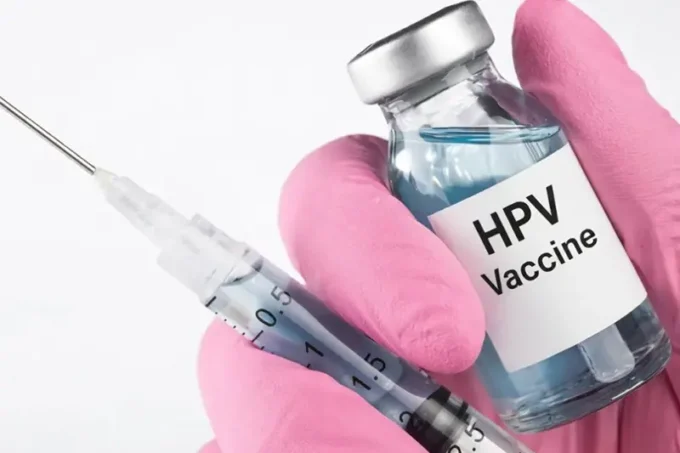
- HPV (Human Papillomavirus): Linked to cervical, anal, throat, and other cancers. The HPV vaccine can prevent over 90% of these cases.
- Hepatitis B: Increases the risk of liver cancer. Vaccination is recommended, especially for high-risk individuals.
What science says: Widespread vaccination could prevent thousands of cancer cases globally every year.
8. Go for Regular Screenings and Check-Ups
Early detection saves lives. Many cancers, when caught early, are easier to treat and have higher survival rates.
- Essential screenings include:
- Mammograms for breast cancer
- Colonoscopies for colorectal cancer
- Pap smears for cervical cancer
- Low-dose CT scans for high-risk smokers (lung cancer)
- Prostate exams for men over 50
What science says: Screening reduces mortality by 30–40% in certain cancers by detecting them at treatable stages.
Tip: Talk to your doctor about the right screening schedule based on your age, gender, family history, and lifestyle.
Putting It All Together
The fight against cancer is not just about treatment—it’s about prevention. According to the Harvard-trained gastroenterologist, making intentional lifestyle choices can reduce your cancer risk significantly.
- Keep your weight in check.
- Eat more plants and fewer processed foods.
- Stay active every day.
- Avoid smoking and minimize alcohol.
- Protect your skin from harmful UV rays.
- Stay updated on vaccinations.
- Don’t skip preventive screenings.
By following these eight science-backed habits, you are not only protecting yourself from cancer but also improving your heart health, boosting immunity, and enhancing your overall quality of life.
Cancer prevention starts with everyday decisions—what you eat, how much you move, and how well you care for your body. While no lifestyle can guarantee a cancer-free life, adopting these research-backed habits can drastically lower your risk.
As the Harvard-trained gastroenterologist emphasizes, “Your daily habits are your strongest weapon against cancer. Prevention is in your hands.”
Taking small, consistent steps today could make the difference between a higher risk and a healthier, longer life.










Leave a comment