Home Latest News 7 Natural Ways to Lower Cholesterol Without Medication
Latest News

7 Natural Ways to Lower Cholesterol Without Medication

Share
High cholesterol
High cholesterol
Share

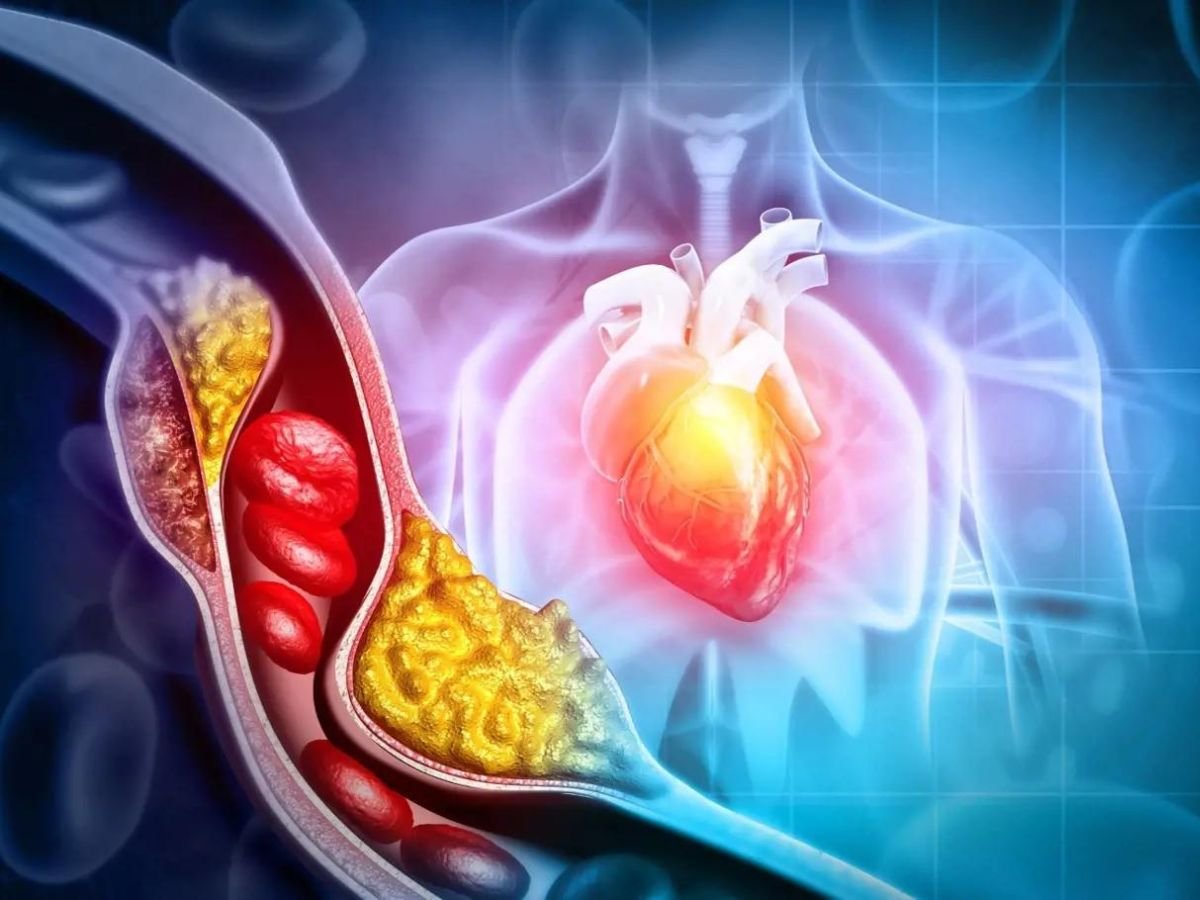
New Delhi, 17 August 2025: High cholesterol is one of the leading risk factors for heart disease, the number one cause of death globally. While medications like statins are commonly prescribed, many people prefer natural, lifestyle-based solutions to manage cholesterol levels, either alongside or in place of pharmaceutical interventions. Fortunately, there are several science-backed, natural ways to lower LDL (bad cholesterol), raise HDL (good cholesterol), and support overall heart health—without medications.

If you are looking to take control of your cholesterol naturally, these 7 methods can make a significant difference when applied consistently and safely.

1. Eat More Soluble Fiber

Why it works:
Soluble fiber binds to cholesterol in the digestive tract, helping to remove it from the body before it enters the bloodstream. It also helps feed beneficial gut bacteria, which may play a role in cholesterol metabolism.

Best sources:

  • Oats and oat bran
  • Beans and legumes
  • Apples and pears
  • Chia seeds and flaxseeds
  • Psyllium husk

How to start:
Aim for 5–10 grams of soluble fiber per day. Starting your day with a bowl of oatmeal or adding chia seeds to smoothies is a great place to begin.

2. Embrace Healthy Fats (And Ditch Trans Fats)

Why it works:
Replacing saturated fats with unsaturated fats—especially polyunsaturated fats—can significantly lower LDL cholesterol. On the flip side, trans fats raise LDL and lower HDL, making them particularly harmful.

Healthy fats to include:

  • Avocados
  • Nuts (especially almonds and walnuts)
  • Fatty fish (salmon, mackerel, sardines)
  • Olive oil and other cold-pressed oils

What to avoid:

  • Margarine
  • Processed baked goods (cookies, pastries)
  • Fried fast food

How to start:
Swap butter for olive oil in cooking, snack on a handful of nuts daily, and include fatty fish at least twice a week.

3. Move Your Body Regularly

Why it works:
Physical activity raises HDL cholesterol, lowers triglycerides, and may help reduce LDL over time. It also aids weight management, which is closely tied to cholesterol levels.

Best types of exercise:

  • Brisk walking
  • Jogging or cycling
  • Swimming
  • Resistance training
  • HIIT (High-Intensity Interval Training)

How much is enough?
At least 150 minutes of moderate aerobic activity per week or 75 minutes of vigorous activity, plus muscle-strengthening exercises twice weekly.

4. Lose Excess Weight

Why it works:
Even a modest amount of weight loss (5–10% of body weight) can lead to a significant drop in LDL and triglycerides, and a rise in HDL.

Effective strategies:

  • Eat smaller, balanced meals
  • Reduce sugar and refined carbs
  • Increase physical activity
  • Track food intake using a journal or app

Pro tip:
Focus on sustainable habits, not crash diets. Slow, steady weight loss is more effective long term and safer for your heart.

5. Add Plant Sterols and Stanols

Why it works:
These natural compounds are structurally similar to cholesterol and compete for absorption in the digestive system, effectively lowering total and LDL cholesterol.

Where to find them:

  • Fortified foods (like certain margarines, orange juice, and yogurts)
  • Nuts and seeds
  • Whole grains
  • Vegetables

How to use:
Aim for 2 grams per day, which can reduce LDL cholesterol by up to 10%.

Tip:
Check food labels for “added plant sterols/stanols” and include these products as part of a balanced diet.

6. Quit Smoking and Limit Alcohol

Why it works:
Smoking damages blood vessels and lowers HDL cholesterol. Quitting can improve HDL levels quickly and reduce your risk of heart disease. Moderate alcohol intake (particularly red wine) may raise HDL, but excessive drinking increases cholesterol and blood pressure.

How to improve:

  • Quit smoking: Talk to your doctor about nicotine replacement therapy or counseling support.
  • Limit alcohol: No more than 1 drink per day for women and 2 for men.

Note:
The benefits of moderate alcohol intake don’t outweigh the risks for everyone. If you don’t drink, there’s no need to start.

7. Try Natural Supplements Wisely

Why it works:
Some natural compounds have been shown to reduce LDL cholesterol or improve lipid profiles when combined with diet and lifestyle changes.

Popular cholesterol-lowering supplements:

  • Omega-3 fatty acids (from fish oil or algae)
  • Psyllium husk (also a fiber source)
  • Red yeast rice (contains a natural statin-like compound)
  • Garlic extract
  • Berberine

Important:
Always consult a healthcare provider before starting supplements—especially red yeast rice or berberine—as they can interact with medications or have side effects.

Putting It All Together

Lowering cholesterol naturally doesn’t require extreme measures or expensive solutions. Instead, it’s about making consistent, heart-smart choices over time. Here’s a quick recap of the 7 strategies:

  1. Eat more soluble fiber
  2. Choose healthy fats and avoid trans fats
  3. Exercise regularly
  4. Lose weight if overweight
  5. Add plant sterols and stanols
  6. Quit smoking and limit alcohol
  7. Use natural supplements with guidance

When combined, these habits can produce powerful improvements in cholesterol levels, heart function, and overall health.

Are You Suffering From High Cholesterol?

While these natural methods are effective, it’s crucial to monitor your progress. Regular blood tests can help you and your doctor assess how your cholesterol levels are responding to lifestyle changes. If natural methods aren’t enough, medication may still be necessary—but it can be combined with healthy habits for better results.

Your body is built to heal and maintain balance—when you support it properly. Lowering your cholesterol naturally isn’t just about avoiding disease—it’s about building a foundation for energy, longevity, and quality of life.

By embracing these 7 natural strategies, you’re not just lowering a number on a lab report—you’re investing in your future, one choice at a time.


Share

Leave a comment

Leave a Reply

Your email address will not be published. Required fields are marked *

Don't Miss

Air Pollution
Health News

Delhi Chokes Under Toxic Air: Schools Shut, Offices Go Work From Home — How to Stay Safe

New Delhi, 23 December, 2025: Delhi once again finds itself gasping for breath as air pollution levels surge to hazardous levels, pushing authorities...

Colorectal cancer
Latest News

Cervical Cancer Awareness Month 2026: Screening Tips Every Woman Should Know

Cervical cancer is one of the most preventable forms of cancer, yet it remains a leading cause of cancer-related deaths among women globally....

Bird Flu
Latest News

Bird Flu Alert: How to Protect Yourself Without Panicking

Bird flu, also known as avian influenza, is a viral infection primarily affecting birds but capable of infecting humans in rare cases. The...

Latest News

Why Walking 30 Minutes a Day Can Add Years to Your Life

Walking for just 30 minutes a day is one of the simplest yet most effective ways to improve overall health, enhance longevity, and...

Latest News

5 Common Foods That Are Slowly Damaging Your Liver

The liver is one of the most vital organs in the body, responsible for detoxification, metabolizing nutrients, and regulating essential biochemical processes, and...

Section title

Related Articles
Cancer
Latest News

Immunotherapy vs Chemotherapy: Which Cancer Treatment Works Better?

Cancer treatment has evolved rapidly over the past few decades, offering patients...

The Nipah virus is considered one of the deadliest zoonotic infections globally, not because it spreads rapidly like influenza or COVID-19, but because of its extremely high fatality rate, rapid progression, and severe brain involvement. Medical experts warn that once symptoms escalate, the disease can turn fatal within days. According to available data, the case fatality rate of Nipah virus ranges between 50 and 75 per cent, placing it among the most lethal viral infections known to humans. In this explainer, Dr Dip Narayan Mukherjee, Consultant – Microbiology and Infectious Diseases, CK Birla Hospitals, CMRI, sheds light on why the virus is so dangerous and difficult to control. Why Is the Nipah Virus So Deadly? According to Dr Mukherjee, Nipah’s lethality lies in a combination of delayed symptom recognition, aggressive disease progression, and early involvement of the brain. “Nipah virus often begins with very non-specific symptoms, which makes early detection difficult. By the time it is clinically suspected, the virus may have already affected the brain,” he explains. Early Symptoms Often Go Unnoticed One of the biggest challenges in controlling Nipah virus is that its initial symptoms closely resemble common viral illnesses, leading to delays in diagnosis and isolation. Early symptoms include: Fever Headache Cough Muscle pain General weakness “These symptoms are easily mistaken for flu, viral fever, or respiratory infections,” says Dr Mukherjee. “This delay gives the virus time to progress silently.” Severe Brain Infection Drives High Mortality The most dangerous aspect of Nipah virus infection is its neurological involvement. The virus frequently causes encephalitis, or inflammation of the brain, which significantly increases the risk of death. Neurological symptoms may include: Seizures Confusion and altered consciousness Extreme drowsiness Coma “Once the central nervous system is involved, the disease becomes very difficult to manage,” Dr Mukherjee notes. “At this stage, treatment is largely supportive because there is no specific antiviral therapy available.” This lack of targeted treatment options makes early detection critical. Human-to-Human Transmission Raises Risk While Nipah virus is primarily transmitted from fruit bats, it can also spread from person to person, particularly in healthcare settings. Dr Mukherjee points out that: Caregivers and healthcare workers are at higher risk Exposure to high viral loads can worsen outcomes Inadequate infection control increases transmission risk “Strict adherence to infection control practices is essential. Even a small lapse can result in secondary infections,” he says. Zoonotic Nature Makes Exposure Hard to Predict Nipah virus is transmitted from fruit bats, either directly or through intermediate hosts such as pigs. This zoonotic pattern makes outbreaks unpredictable, especially in regions where humans, animals, and wildlife interact closely. Adding to the challenge: There is no approved vaccine Treatment options remain limited Isolation protocols must be strictly enforced What Can Reduce Nipah Fatalities? According to experts, early action remains the most effective defence against Nipah virus. Key measures include: Early isolation of suspected cases Strict use of personal protective equipment (PPE) Rapid escalation and referral to specialised centres Strong hospital infection control protocols “The earlier the virus is identified and contained, the better the chances of preventing severe disease and fatalities,” Dr Mukherjee emphasises. The Bottom Line Nipah virus continues to be a serious public health threat because of its high fatality rate, neurological complications, and lack of targeted treatment. Its ability to masquerade as a mild illness in the early stages makes vigilance crucial. Health experts stress that awareness, early suspicion, and strict infection control are currently the most powerful tools to reduce deaths linked to this deadly virus. As Dr Mukherjee concludes, “With Nipah, time is the most critical factor. Early recognition can save lives.”
Latest News

Why Nipah Virus Has a High Fatality Rate: Factors Affecting Disease Severity

The Nipah virus is widely regarded as one of the deadliest zoonotic...

Latest News

Stroke Risk in India: Symptoms and Urgent Action Steps

Stroke is a leading cause of death and disability in India, yet...

Latest News

Silent Struggle: Over 15 Million Indians Live with Epilepsy, Experts Stress Early Diagnosis and Care

Epilepsy, a neurological disorder that causes recurrent seizures, affects more than 15...

×