

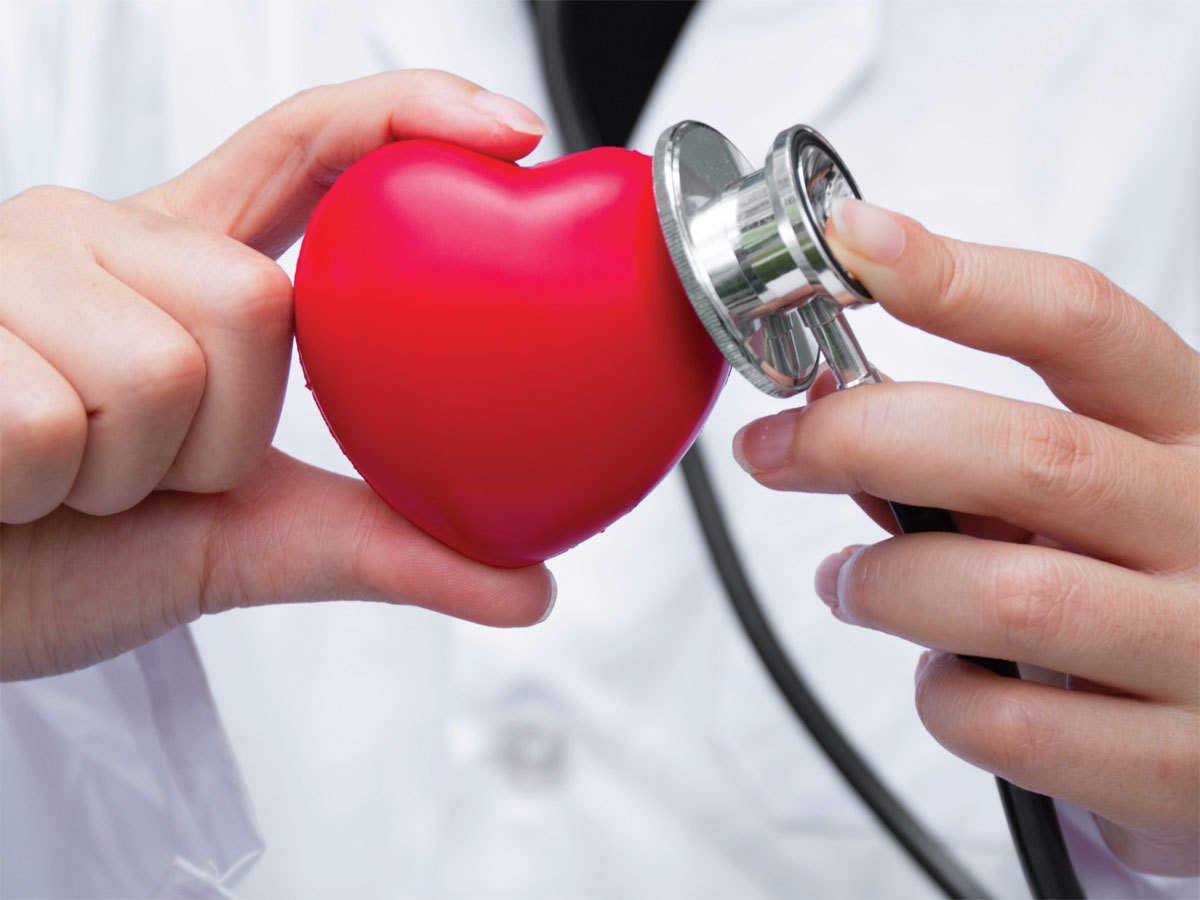
Our heart, the tireless organ that beats around 100,000 times per day let us know when it’s in danger such as when it’s stressed or doesn’t function properly. Chest pain is not the only symptom for heart attack though; shortness of breath also shows how bad things are within one’s heart among other symptoms. Early detection of these cues may save one’s life because he/she will be able to seek medical help before things get out of hand thus maintaining a healthy heart even after recognizing ten subtle signals your heart might send you:
- Fatigue: Physical weariness refers to a state of being abnormally tired or worn out, after normal activities, which may suggest that the person’s health may have effects on the functioning of his heart so that it pumps blood properly.
- Dizziness or Lightheadedness: Feeling unsteady or some dizziness can be caused by decreased delivery of blood to the brain that may be connected with heart problems.
- Swollen Feet or Ankles: Enlarged feet and ankles can be a sign of heart failure, a condition in which blood is not efficiently pumped by the heart.
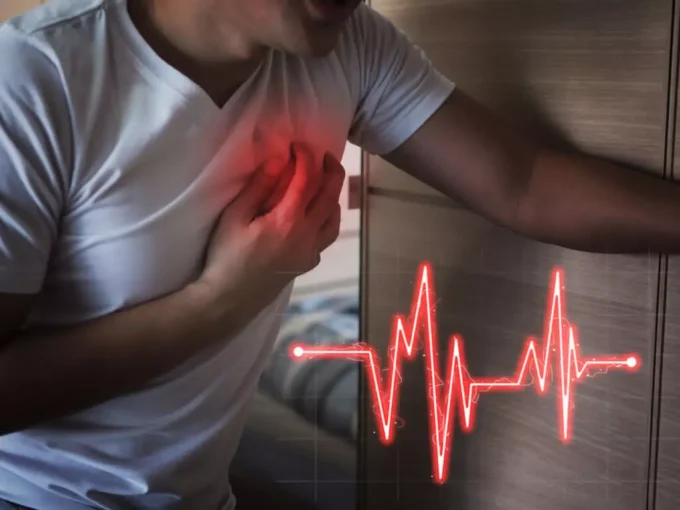
- Irregular Heartbeat: Arrhythmias or other abnormalities in your heart’s rate are sometimes signaled by palpitations or skipped beats.
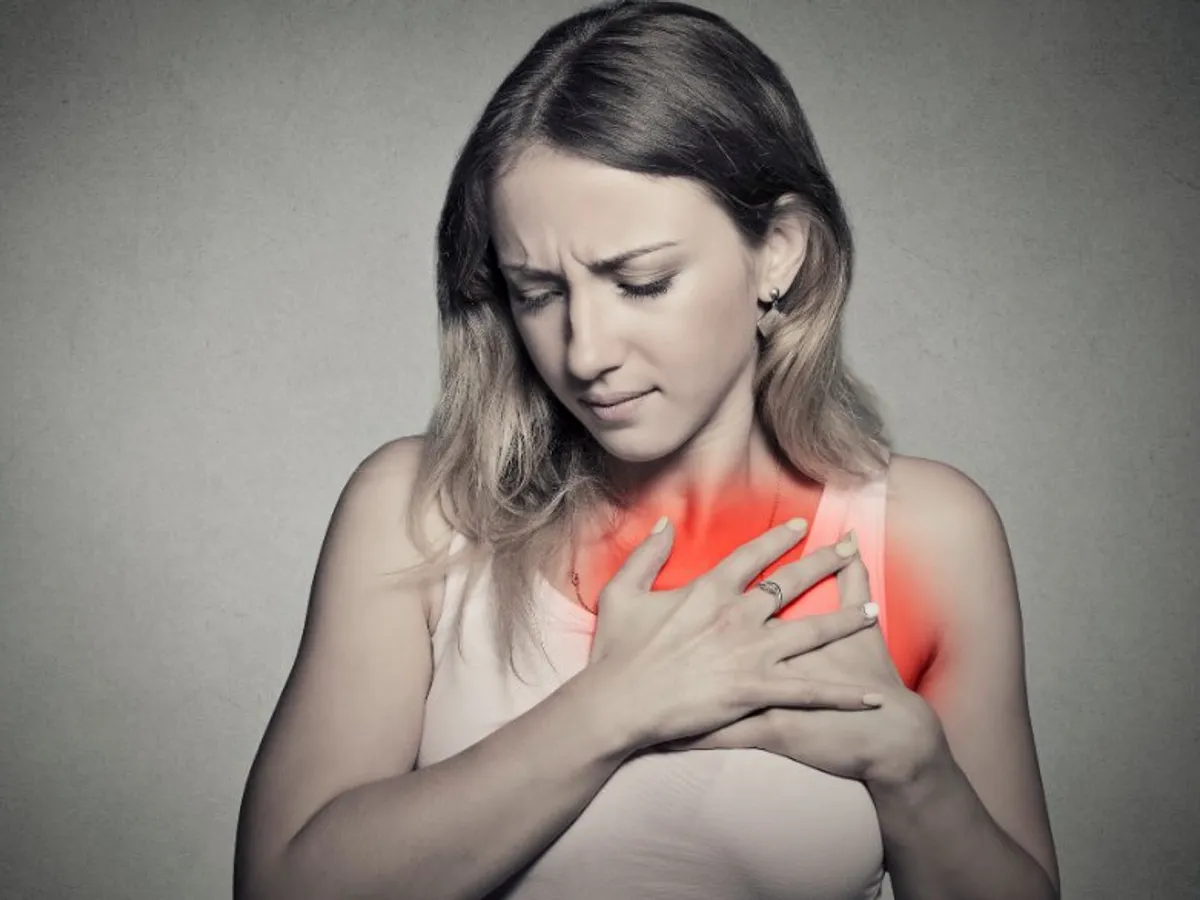
- Chest Discomfort: Pain that is observed in this situation may not be in sharp but in mild form, and it could be experienced like a push, bubble or oppression unlike intense pain.
- Persistent Cough: Persistent hacking cough can be product of fluid collected in the lungs which in connection with heart failure may produce distinctive pink or white phlegm.
- Sleep Problems: Heart issues could be indicated by difficulty sleeping, waking up constantly in the middle of the night, or having shortness of breath while lying down.
- Appetite Changes: While some additional symptoms might occur, it is also possible for you to just lose interest in food abruptly or even lose your appetite entirely someway which would both suggest heart disease.”
- Jaw, Neck, or Back Pain: Discomfort or pain in the jaw, neck or upper back might sometimes signal a heart attack, which often happens among women.
- Cold Sweats: Clammy or cold sweats, especially when not related to physical activity or heat, might indicate a heart problem.
It is worth noting that these effects are different from one person to another and may not always imply heart problems. Nevertheless, when there are any of these clinical manifestations – particularly if they persist or become severe – it is very important that you see a doctor without any delay. You can improve the results and the quality of life significantly through timely diacritical marks on the heart disease. In order to maintain good heart health, pertinent proactive measures include having good food, engaging in physical exercises, managing anxiety and stress, and going to see your doctor on a regular basis.
Paying attention to such fine signals that may be coming from your heart enables you to grab the reins of your cardiovascular healthiness and practice a healthy lifestyle that is good for your heart.










Leave a comment