

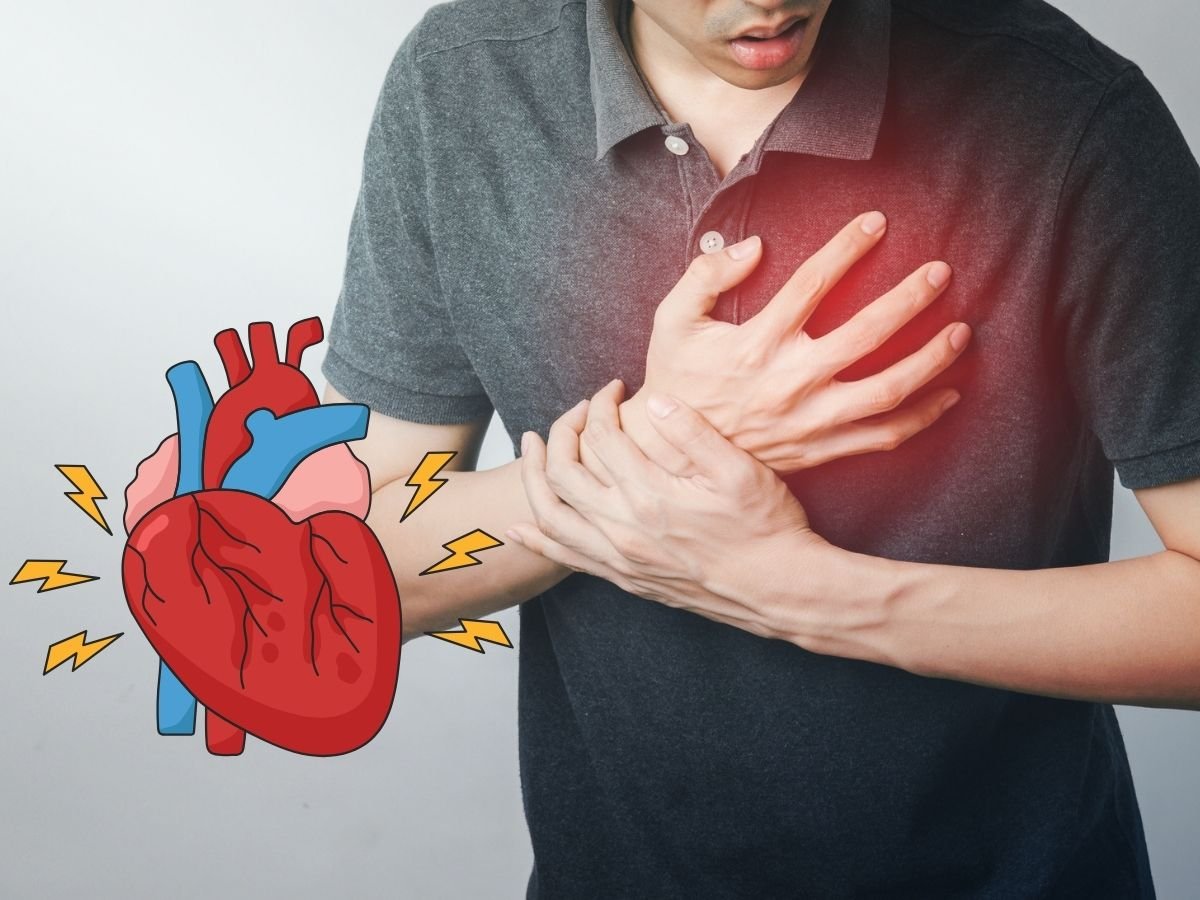
New Delhi, 08 July 2025: Heart attacks have long been associated with dramatic symptoms — sudden chest pain, profuse sweating, and pain radiating down the left arm. However, in reality, nearly 1 in 5 heart attacks occur without any obvious symptoms, making them extremely dangerous and difficult to detect in time. These “silent” heart attacks are often missed or mistaken for less serious conditions like fatigue or indigestion, especially among the elderly, diabetics, and women. Because of their subtle nature, silent heart attacks may only be discovered later through routine ECGs or when complications like heart failure arise. But that doesn’t mean they occur without any clue at all. There are a few subtle signs that the body might give before or during such an event, and being aware of them could be life-saving.
1. Unusual Fatigue That Persists
One of the earliest and most overlooked signs of a potential heart attack — silent or otherwise — is extreme, unexplained fatigue. This isn’t the typical tiredness you feel after a poor night’s sleep or a long day at work. It’s a deep, persistent sense of exhaustion that doesn’t go away even with rest. Many people, especially women, have reported experiencing weeks of severe fatigue prior to a heart attack. It may feel like lifting simple objects, walking short distances, or climbing stairs suddenly becomes unusually tiring. The heart, when deprived of adequate blood flow due to a blocked artery, has to work harder, which can make you feel drained and weak. If you notice this type of fatigue without any clear reason, it’s time to pay attention — your body could be signaling trouble.
2. Breathlessness and Lightheadedness
Shortness of breath, or the sensation of not being able to catch your breath, is another red flag that’s commonly ignored or attributed to stress, asthma, or lack of fitness. However, in many silent heart attack cases, people feel breathless even without exertion. They might find themselves gasping for air while lying down or wake up in the middle of the night feeling like they’re suffocating. In some cases, breathlessness may come with a feeling of dizziness or lightheadedness. These symptoms occur because the heart isn’t pumping blood efficiently, leading to a drop in oxygen supply to the rest of the body, including the brain. If such symptoms are new or progressively worsening, it’s important not to dismiss them. Even in the absence of chest pain, these could point to an underlying cardiac event.
3. Discomfort in the Chest, Jaw, or Upper Back
While silent heart attacks might not present the textbook chest pain, they often involve vague discomfort or a sensation of pressure, tightness, or heaviness in the chest area. Some people describe it as indigestion or a feeling of fullness that comes and goes. The discomfort might also radiate to unusual places like the jaw, neck, upper back, or even between the shoulder blades. This atypical pain can be confusing and is frequently mistaken for muscle strain, gastric problems, or even dental issues. If this kind of discomfort appears suddenly, without a clear cause, and especially if it’s accompanied by other symptoms like nausea, fatigue, or breathlessness, it’s worth considering the possibility of a heart-related issue.
Why You Should Never Ignore Subtle Signs
The challenge with silent heart attacks is that their warning signs often go unnoticed or are attributed to other non-cardiac causes. This delay in diagnosis can increase the risk of long-term heart damage and complications like heart failure or arrhythmias. Early detection is crucial, not just for timely treatment but for preventing future cardiac events. Anyone with risk factors such as diabetes, high blood pressure, obesity, or a family history of heart disease should be extra vigilant. Regular heart check-ups, being aware of subtle bodily changes, and not hesitating to seek medical help can make all the difference. A heart attack doesn’t always come with sirens — sometimes it whispers. The key is to listen.














Leave a comment