Home Latest News World TB Day 2026: What to Do and Avoid If You Are Diagnosed With Tuberculosis
Latest News

World TB Day 2026: What to Do and Avoid If You Are Diagnosed With Tuberculosis

Share
Tuberculosis is one of the ten major causes of mortality worldwide.
Share

Tuberculosis (TB) remains one of the most serious infectious diseases worldwide, affecting millions every year. While it is treatable and curable, managing TB requires strict discipline, lifestyle changes, and adherence to medical guidelines. On World Tuberculosis Day 2026, it is important to understand that recovery is not just about medication—it also depends on what you do daily. From maintaining proper hygiene to avoiding certain habits that can worsen the condition, following the right dos and don’ts plays a crucial role in faster recovery and preventing the spread of infection.

How is TB spread?

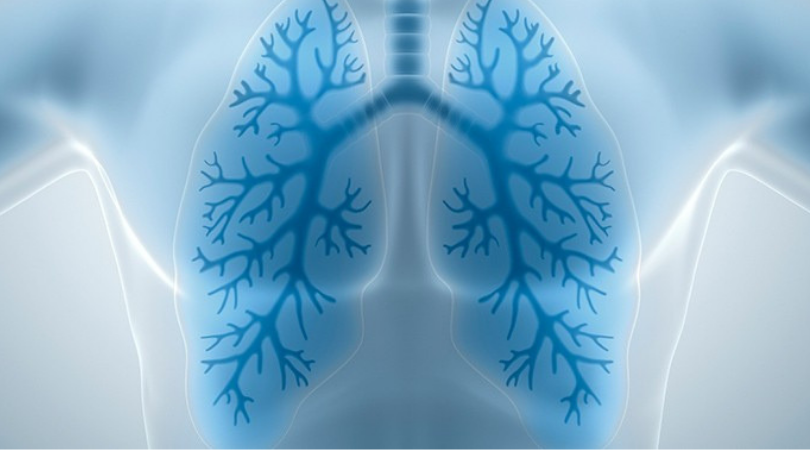
Tuberculosis is a bacterial disease that often affects the lungs (pulmonary TB). It can affect other parts of the body, such lymph nodes, kidneys, bones, joints, etc. (extrapulmonary TB). People who are malnourished or underweight are at higher risk of getting tuberculosis. They are also more susceptible to reinfection or relapse of TB after treatment. This is because a weak immune system can’t fight those tough tuberculosis bacteria.

The disease is spread through the air when a person with untreated TB disease coughs or sneezes. Infection may occur, if you breathe in TB germs. In case you’re were exposed to someone with tuberculosis, and you think that you may have the disease, call your doctor. A TB skin test or blood test can determine if you have the disease or not. If you are diagnosed with the disease, you need to keep in mind certain things to avoid spreading to other people.

What you must do if you have TB

The treatment will depend on whether you have latent TB infection (LTBI) or active TB disease. While you’re being treated for active TB, you should stay at home to avoid infecting others with the TB bacteria. Also,

  • Separate yourself from your family members or roommates.
  • Always use a tissue while coughing or sneezing. Throw the used tissue away in a closed plastic bag.
  • Air out your room as much as possible. The bacteria breed more in small, enclosed spaces.
  • Take your medicine exactly as prescribed, and as long as it’s needed
  • Only when your doctor says you’re no longer infectious, you can return to work, school, and a regular social life.

What to avoid when you have active tuberculosis

If you have active TB, you should avoid eating certain foods and use of some substances. When you have TB,

  • Quit tobacco in all forms
  • Don’t drink alcohol. It can increase your risk of liver damage when it combines with some of the drugs used to treat your TB.
  • Limit or avoid intake of coffee and other caffeinated drinks.
  • Reduce consumption of refined products, like sugar, white breads, and white rice.
  • Stop eating red meat. Swap with leaner protein sources like poultry, beans, tofu, and fish.
Share
Written by
Swapna Karmakar

Swapna Karmakar is an experienced Health Journalist and the Editorial Lead at Healthwire Media. She has a background in investigative reporting and a deep interest in community health and regulatory updates within the medical sector. Swapna focuses on bridging the gap between healthcare providers and patients by crafting narratives that simplify medical terminology without losing clinical depth. Her research process involves analyzing peer-reviewed journals and official regulatory notifications from bodies like the National Medical Commission (NMC) to provide timely news to both healthcare professionals and the general public. Swapna’s work is characterized by a commitment to transparency and evidence-based reporting. Outside of health reporting, she is an avid traveler and explorer of cultural landscapes. 

Leave a comment

Leave a Reply

Your email address will not be published. Required fields are marked *

Don't Miss

Lifestyle & Wellness

Why Men Feel Constantly Tired: Experts Reveal the Hidden Role of Dehydration, Stress and Poor Sleep

For many men today, health challenges don’t begin with illness; they start quietly, woven into everyday routines. Long hours at a desk, crowded...

Can 150 Minutes of Exercise a Week Help You Live Longer? Scientists Weigh In
Health News

Can 150 Minutes of Exercise a Week Help You Live Longer? Scientists Weigh In

In case you have ever questioned yourself what exactly is the best amount of exercise to help you improve health and live a...

Endometriosis
Obstetrics & Gynecology

Severe Period Pain Could Signal Endometriosis: Gynecologist Warns Women Not to Ignore These Symptoms

Many women experience pain and discomfort during their menstrual cycle and often consider it a normal part of periods. However, health experts say...

ENT

Glaucoma Risk Factors: These People Are More Likely to Develop the ‘Silent Vision Thief’

Glaucoma is a serious eye condition that can gradually damage vision. It is often called the “silent vision thief” because its early symptoms...

Health News

Sepsis: When a Simple Infection Can Turn Life-Threatening — Warning Signs You Should Never Ignore

Many people tend to ignore minor health problems such as fever, cough, urinary infections, or small wounds that develop infections. However, doctors emphasize...

Section title

Related Articles
Latest News

From DNA to Diagnosis: How Genetic Testing Is Changing Disease Prevention in India

While genetic testing is the norm rather than the exception in developed...

Latest News

Glaucoma: The ‘Silent Thief of Sight’ – Early Warning Signs You Should Never Ignore

Glaucoma is often called the “silent thief of sight” because it can...

Menstruation
Latest NewsLifestyle & Wellness

Menstrual health matters: What science says about period myths

Menstrual health is a topic that is surrounded by silence, stigma and...

Latest News

The Science of Fear: How the Amygdala Controls Your Brain’s Fight-or-Flight Response

Fear is a normal and important human feeling that is capable of...