

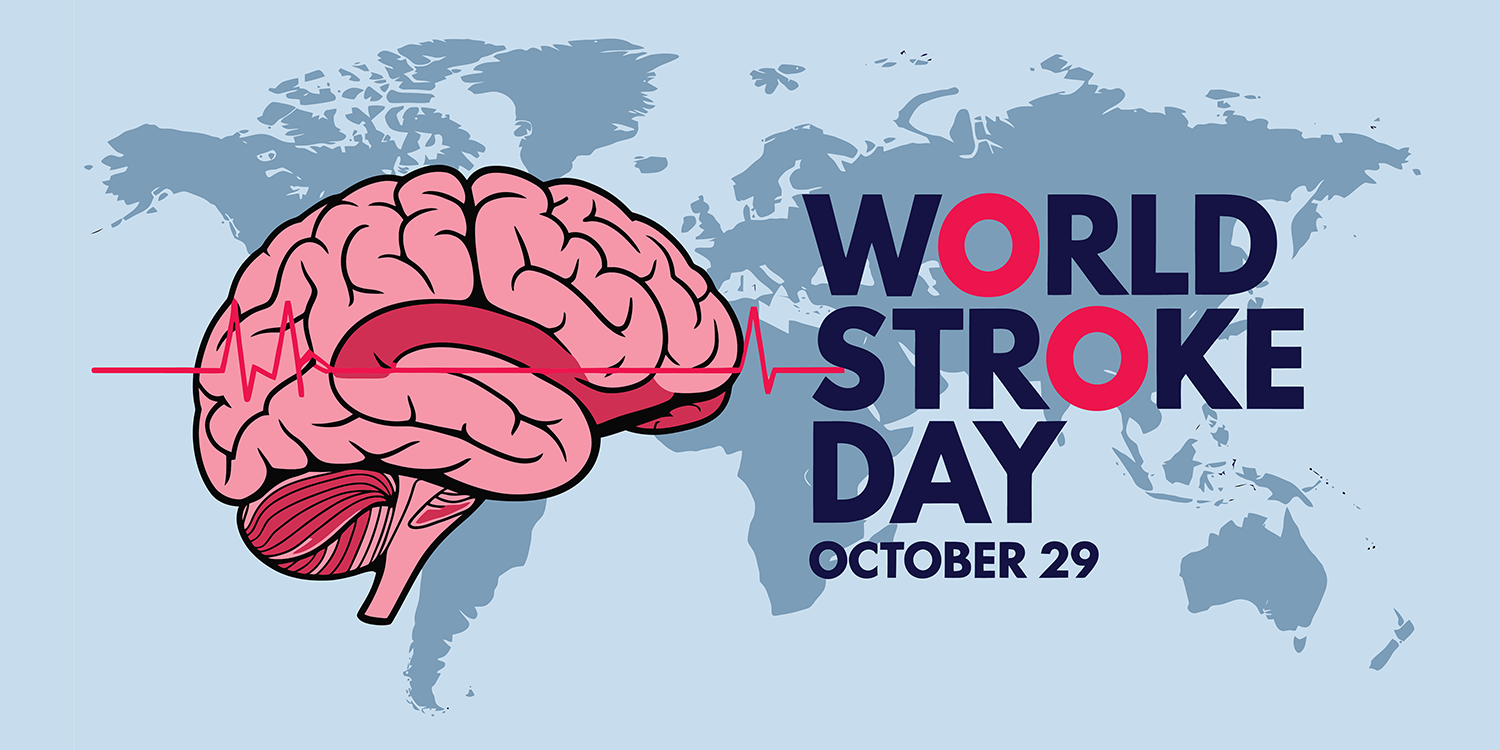
New Delhi, 29 October, 2025: Air pollution is emerging as a silent yet deadly trigger for strokes, or “brain attacks,” across India and the world. As the country observes World Stroke Day 2025, experts are raising alarms about a growing, invisible health crisis — one that is not just choking lungs but also silently damaging the brain.
Stroke: The Brain’s Emergency
A stroke occurs when blood flow to a part of the brain is blocked or interrupted, depriving brain cells of oxygen and nutrients. Without prompt treatment, brain cells begin to die — and every minute of delay costs nearly 20 lakh neurons.
Doctors refer to stroke as a “brain attack” because of its sudden onset and potentially life-threatening consequences. The global campaign this year focuses on the BEFAST signs — Balance loss, Eye vision loss, Face drooping, Arm weakness, Speech difficulty, and Time to call emergency services. Acting within the first 4.5 hours — the “golden window” — can make the difference between recovery and lifelong disability.
Air Pollution: The Hidden Stroke Trigger
While most people associate air pollution with coughing, asthma, or breathing issues, new evidence shows that it’s also silently attacking the brain. Microscopic pollutants like PM2.5 and PM10 — tiny particles that can penetrate deep into the lungs — are small enough to enter the bloodstream. Once inside, they inflame and thicken blood vessels, leading to clots or blockages that can trigger a stroke.
Recent global studies estimate that nearly two million stroke-related deaths each year are linked to air pollution. The risk is particularly high in countries like India, where pollution levels routinely exceed safe limits.
What’s most alarming is that air pollution doesn’t just affect the elderly. Increasingly, younger adults in their 30s and 40s are suffering strokes — often without traditional risk factors like high blood pressure or diabetes.
The Rising Stroke Burden in India
Over the last 30 years, stroke incidence in India has risen sharply. Changing lifestyles, dietary habits, stress, and now worsening air quality have all contributed to this surge.
Experts estimate that one in four adults may experience a stroke in their lifetime. Urban areas — especially those with heavy traffic and industrial emissions — are reporting more cases of ischemic strokes, caused by blocked arteries.
Hospital data also reveal a disturbing trend: patients arriving too late for treatment. Awareness of early warning signs remains low, and pollution-related symptoms like headache, dizziness, or fatigue are often dismissed as minor.
How Air Pollution Damages the Brain
To understand the link between pollution and stroke, it’s important to look at what happens inside the body.
- Inflammation: Fine particles irritate the blood vessel linings, triggering inflammation and making them prone to narrowing or rupture.
- Blood Clots: Pollutants can increase the stickiness of blood, raising the risk of clots that block brain arteries.
- Oxidative Stress: Airborne toxins create free radicals that damage cells and accelerate aging of blood vessels.
- High Blood Pressure: Long-term exposure to polluted air has been linked to increased blood pressure, a key stroke risk factor.
- Reduced Oxygen Supply: Carbon monoxide and nitrogen oxides reduce the blood’s oxygen-carrying capacity, straining the brain and heart.
These mechanisms together make polluted air a potent, though invisible, enemy of brain health.
Younger Adults at Risk
Traditionally, stroke was considered a disease of old age. However, the last decade has seen an alarming rise in stroke cases among people under 45. Doctors attribute this to a combination of urban stress, sedentary lifestyle, and environmental toxins.
Even healthy individuals — non-smokers with normal cholesterol — are falling victim due to prolonged exposure to toxic air. The situation is especially worrying in metro cities like Delhi, Mumbai, and Kolkata, where pollution peaks during winter months.
A Global Health Crisis
The World Health Organization has classified air pollution as the single largest environmental health risk. It’s estimated to cause over 7 million deaths annually, and a growing portion of those deaths are due to neurological disorders like stroke and dementia.
Fine particulate matter (PM2.5) can travel from the nasal cavity to the brain through the olfactory nerve, causing inflammation in brain tissues. This neuroinflammation has been linked not just to stroke but also to Alzheimer’s disease and cognitive decline.
Recognising Stroke Early: The BEFAST Rule
Recognising stroke symptoms and acting quickly can save lives.
- B — Balance: Sudden loss of balance or coordination
- E — Eyes: Blurred or double vision, or sudden loss of sight
- F — Face: Facial drooping on one side when smiling
- A — Arms: Weakness or numbness in one arm
- S — Speech: Slurred or confused speech
- T — Time: Call emergency services immediately
If treated within 4.5 hours, a clot-busting injection (tPA) or mechanical removal of the clot can restore blood flow and prevent permanent brain damage.
How to Protect Yourself from Pollution-Related Stroke
While individuals cannot control air quality entirely, there are ways to minimize risk and strengthen brain and heart health.
1. Monitor Air Quality
Use apps or websites that track AQI (Air Quality Index). When the AQI is above 150, avoid outdoor workouts or long exposure.
2. Wear a Mask
High-quality N95 or N99 masks filter out fine particles. Wear them while commuting, especially in traffic-heavy zones.
3. Indoor Air Safety
Invest in air purifiers for home and office. Indoor plants like peace lilies and snake plants can also help absorb toxins.
4. Healthy Lifestyle
Adopt a heart-healthy lifestyle — maintain normal blood pressure, cholesterol, and blood sugar.
Eat a diet rich in omega-3 fatty acids, leafy greens, nuts, and whole grains to support vascular health.
5. Exercise Regularly
Physical activity strengthens circulation and reduces clotting risk. On bad air days, opt for indoor workouts or yoga.
6. Stay Hydrated
Proper hydration prevents blood thickening — an important factor in stroke prevention.
7. Quit Smoking
Smoking compounds the effects of air pollution by narrowing arteries and reducing oxygen supply to the brain.
Preventive Screening: Know Your Risk
Even if you feel healthy, annual check-ups are vital. Screenings for blood pressure, blood sugar, cholesterol, and carotid artery health can reveal hidden risks.
Doctors also recommend brain imaging or Doppler tests for individuals with a family history of stroke, especially if living in highly polluted regions.
Treatment and Recovery
Stroke treatment has evolved rapidly in recent years. Hospitals now use clot retrieval techniques and neurorehabilitation programs to improve outcomes.
However, recovery still depends heavily on how soon patients reach medical care. Awareness, quick response, and lifestyle change remain the most powerful tools to prevent disability.
Community and Policy Action
Beyond individual responsibility, collective action is crucial. Experts call for stronger government policies to curb pollution from vehicles, industry, and crop burning.
Public awareness campaigns, cleaner public transport, and urban green zones can go a long way in reducing exposure.
The message this World Stroke Day is clear: clean air saves not just lungs — it saves brains.
Key Takeaways
- Air pollution is a major, under-recognized trigger of strokes.
- Younger adults are increasingly affected due to urban air toxicity.
- Recognize BEFAST signs and act within the golden 4.5 hours.
- Protect yourself with masks, indoor air purifiers, and healthy habits.
- Community action and clean air initiatives are essential for long-term prevention.
Strokes are no longer a disease of the elderly or those with poor lifestyle habits. In polluted cities, even the healthy are at risk. The toxic air we breathe is damaging not only our lungs but also our most vital organ — the brain.
On this World Stroke Day 2025, the call to action is urgent: recognize the signs, protect yourself, and demand cleaner air. Because in the battle between pollution and health, every breath — and every second — counts.
















Leave a comment