

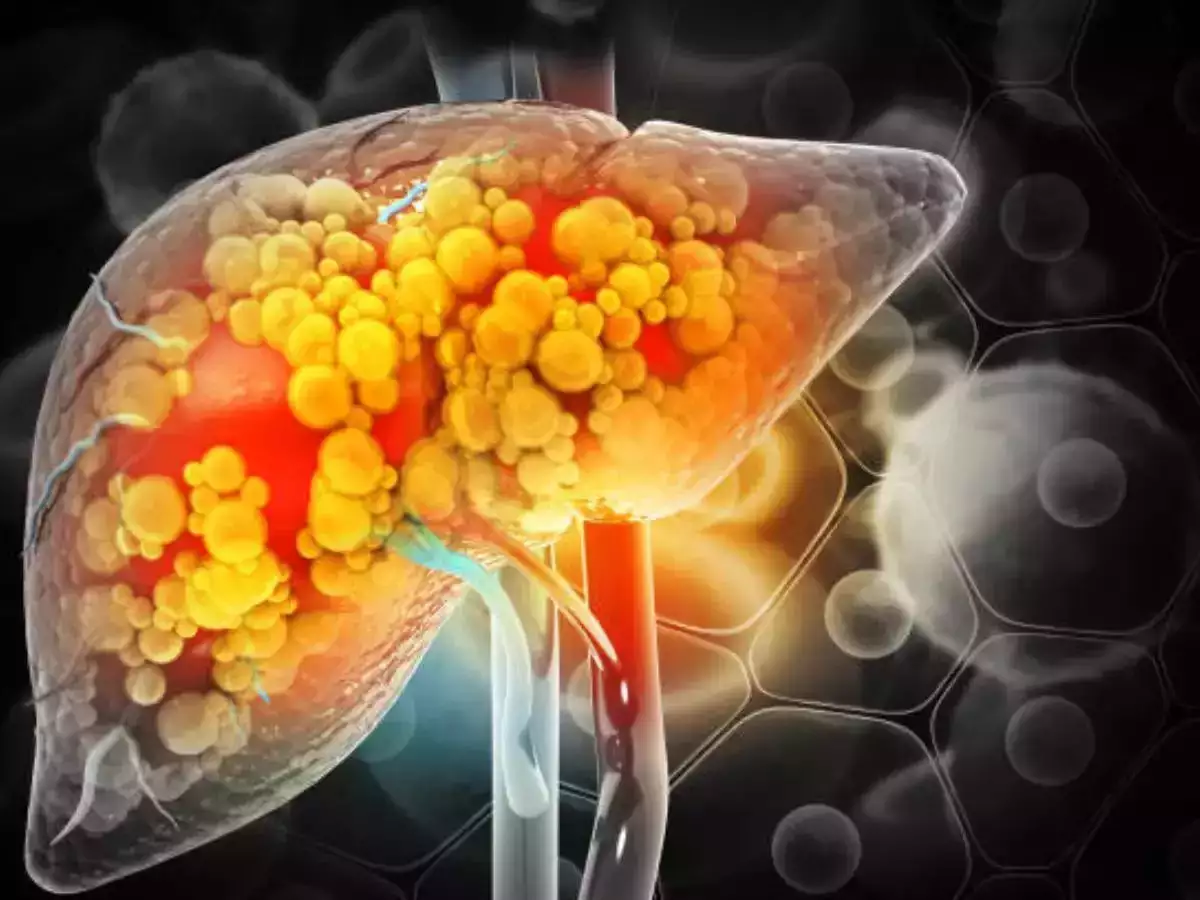
Obesity is one o the worst epidemic that the entire world is battling right now. Apart from several problems associated with obesity, the one that is now being diagnosed more by doctors is fatty liver. It used to be a rare condition seen mostly in drinkers and now it is known to be common in individuals with obesity, diabetes and metabolic syndrome. Increased sedentary lifestyle, high calorie, processed and fast food intake, decreased physical activity have made fatty liver a significant health concern specially in a country like India which is experiencing an increasing tide of obesity.
What is Fatty Liver Disease?
According to Dr Aravind Badiger, Technical Director, BDR Pharmaceuticals, “Fatty liver disease is a common term for non-alcoholic fatty liver disease (NAFLD), which describes the effects of excess fat storage in liver cells in those who are not alcoholics. More recently, the term that is been adopted is metabolic dysfunction–associated steatotic liver disease (MASLD) as it is heavily associated with metabolic function.”
Fatty Liver is not always a symptomatic disease at its initial stages. Many diseases can go undiagnosed for years, however, if the patient is not caught in time, the disease can lead to inflammation, fibrosis, cirrhosis and hepatocellular carcinoma. It is therefore vital that fatty liver is diagnosed early on.
The Obesity Connection: Why Cases Are Rising?
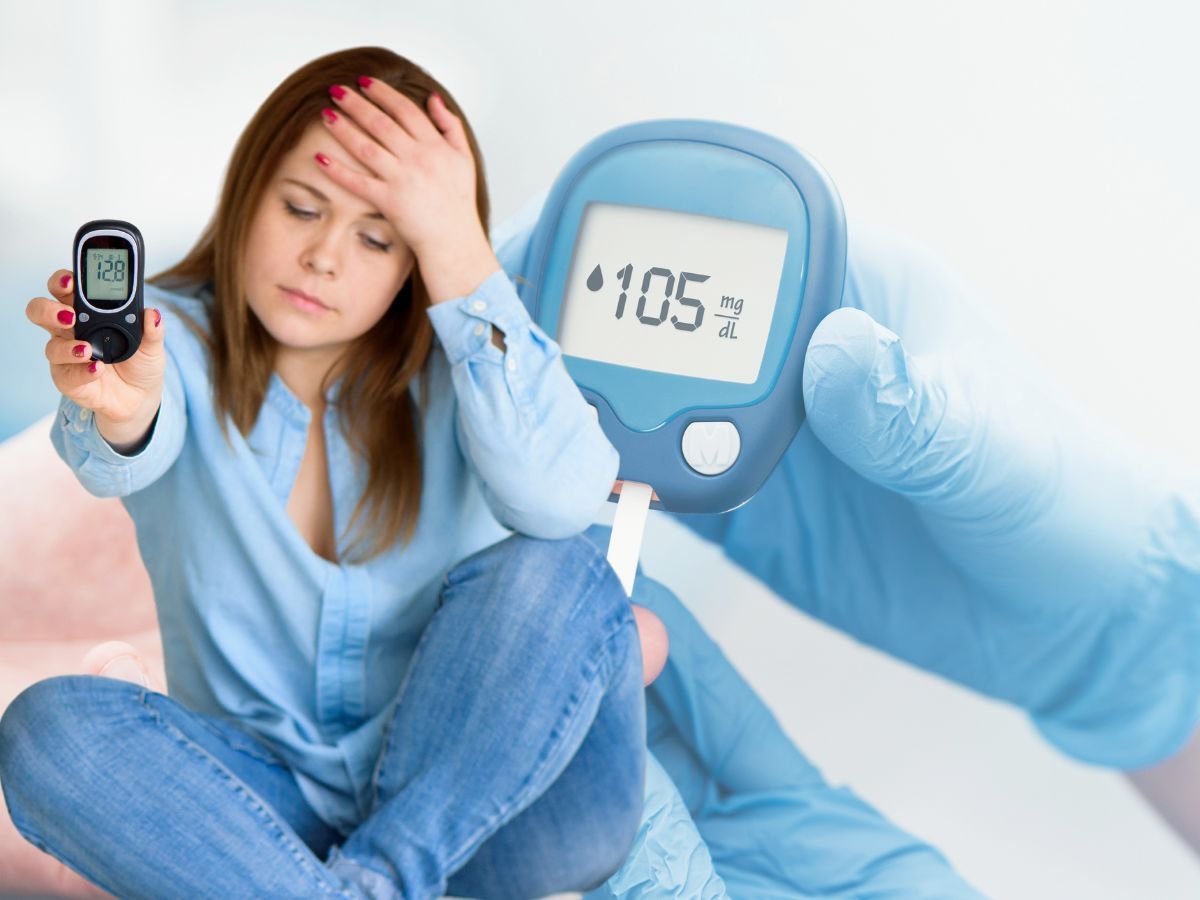
Fatty liver is widely seen in obese individuals. Being obese, particularly means having excessive abdominal fat pre-disposes to insulin resistance where tissues respond less effectively to insulin. This results in increased blood glucose and fat build-up in the liver.
Doctors are now diagnosing fatty liver even in younger adults and children but this is a reflection of the changing nutritional habits whereby excess refined carbohydrates, sugary drinks and processed foods are heavily involved in rapid weight gain and subsequent morbid obesity. Further, fatty liver can be present even in people who are not obviously obese.
Risks Beyond the Liver
Fatty liver should not be regarded as a problem independent of the rest of the liver. It is interrelated with type 2 diabetes, hypertension, hypercholesterolaemia, and cardiovascular disease. The development of these diseases leads to the development of fatty liver in most cases.
Routine health check-ups are therefore very important in asymptomatic cases. Often, the first evidence of fatty liver is found on routine screening of high liver enzymes, ultrasonogram, or metabolic risk factors.
Prevention and Management: What Works
The good news is that fatty liver disease is reversible in the early stages. The main step of treatment is weight reduction achieved by an ongoing gradual lifestyle change. Evidence shows that even modest weight loss—just 5–10% of body weight—can help reverse fatty changes in the liver and restore liver health. Having a diet with plenty of vegetables, lean protein, whole grains, and healthy fats, with regular exercise can help improve insulin response and lower inflammation. Other lifestyle factors that contribute are getting enough sleep, managing stress, as well as other related conditions such as diabetes and high cholesterol.
So far, no single universal drug has been available to treat fatty liver disease. Intervention of lifestyle remains the most evidence-based treatment.













Leave a comment