

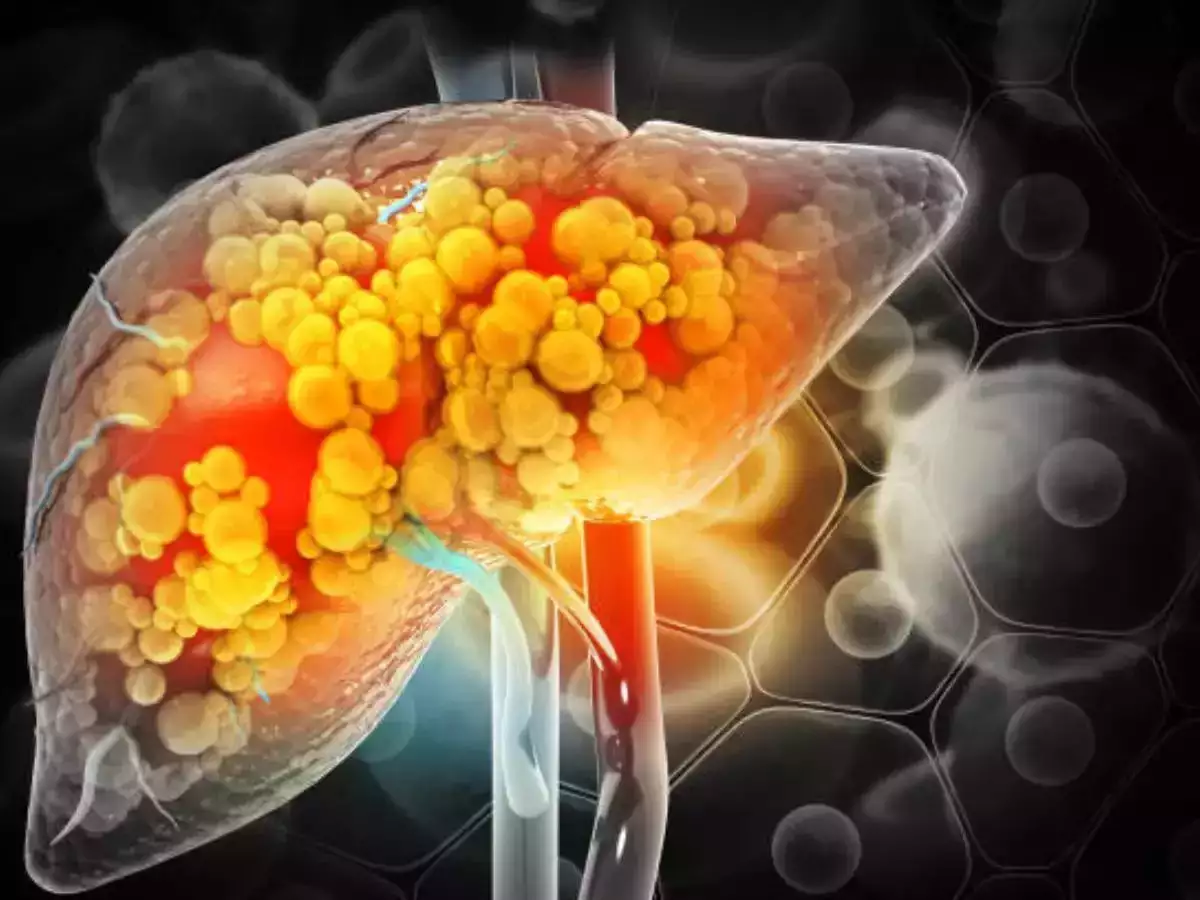
Every year on April 19, World Liver Day reminds us how important the liver is for our overall health. This vital organ quietly performs hundreds of functions, cleaning toxins from the body, helping digestion, and turning food into energy. Yet, despite its importance, liver health is often ignored, especially among young people.
According to Dr G. R. Srinivas Rao, Senior Consultant Gastroenterologist, Yashoda Hospitals, Hyderabad, India, “The disturbing trend is that fatty liver disease is on the increase among individuals below the age of 40 years in India. This non-alcoholic fatty liver disease (NAFLD) is now called metabolic dysfunction-associated steatotic liver disease (MASLD). Young Indians are becoming more and more prone to what was a disease of the old ages.”
The studies such as that of the Indian Council of Medical Research indicate that almost 20 to 30 percent of Indians between the ages of 20 and 39 may be infected. This contributes to its increasing public health issue especially in urban centres.
Why are young Indians at risk?
To a great extent, it is the change in lifestyles. The fast urbanisation has caused an increase in sedentary lifestyles. Spending years in office, lack of activity and spending more time before the screen have become a norm. In conjunction with this, the trend of diet has changed to consuming processed food that contains high sugar content, unhealthy fat and calories.
The increasing level of obesity, particularly in metro cities, is another contributing factor to the risk. It is also dependent on genetics, since individuals of South Asian descent are more likely to accumulate fat in the liver. The problem can be aggravated by irregular eating patterns and family history of metabolic disorders.
In the long run, the liver may become inflamed and damaged due to fat buildup. Otherwise, it can lead to fibrosis (scarring) or even cirrhosis, which is a serious and potentially fatal disorder, unless treated in its early stages. A 2025 study by All India Institute of Medical Sciences was able to point out that a fifth of all people with fatty liver disease already demonstrate serious liver scarring.
Why is it called a silent disease?
The doctor said, “Among the greatest problems of fatty liver disease is that it does not have any symptoms in the early days. Most of the youths are totally healthy and do not show any symptoms of the condition until they are diagnosed during regular examinations such as an ultrasound or specialised scans. This latency of disease diagnosis can enable the disease to advance without being detected, complicating prompt intervention.”
Prevention and management
Small lifestyle changes can go a long way. A balanced diet along the same lines as the Mediterranean can be beneficial. This embraces whole grains such as oats and millets, lots of fruits and vegetables, and healthy fats such as fish rich in omega-3. It is also crucial to decrease the consumption of sweet beverages and processed foods. Experts suggest the recommendation of daily sugar to about 25 grams.
The condition can be detected early by performing routine health check-ups, such as liver screening tests, such as FibroScan or ELF and avoiding complications.
Disclaimer: Dear readers, this article provides general information and advice only. It is not at all professional medical advice. Therefore, always consult your doctor or a healthcare specialist for more information.















Leave a comment