

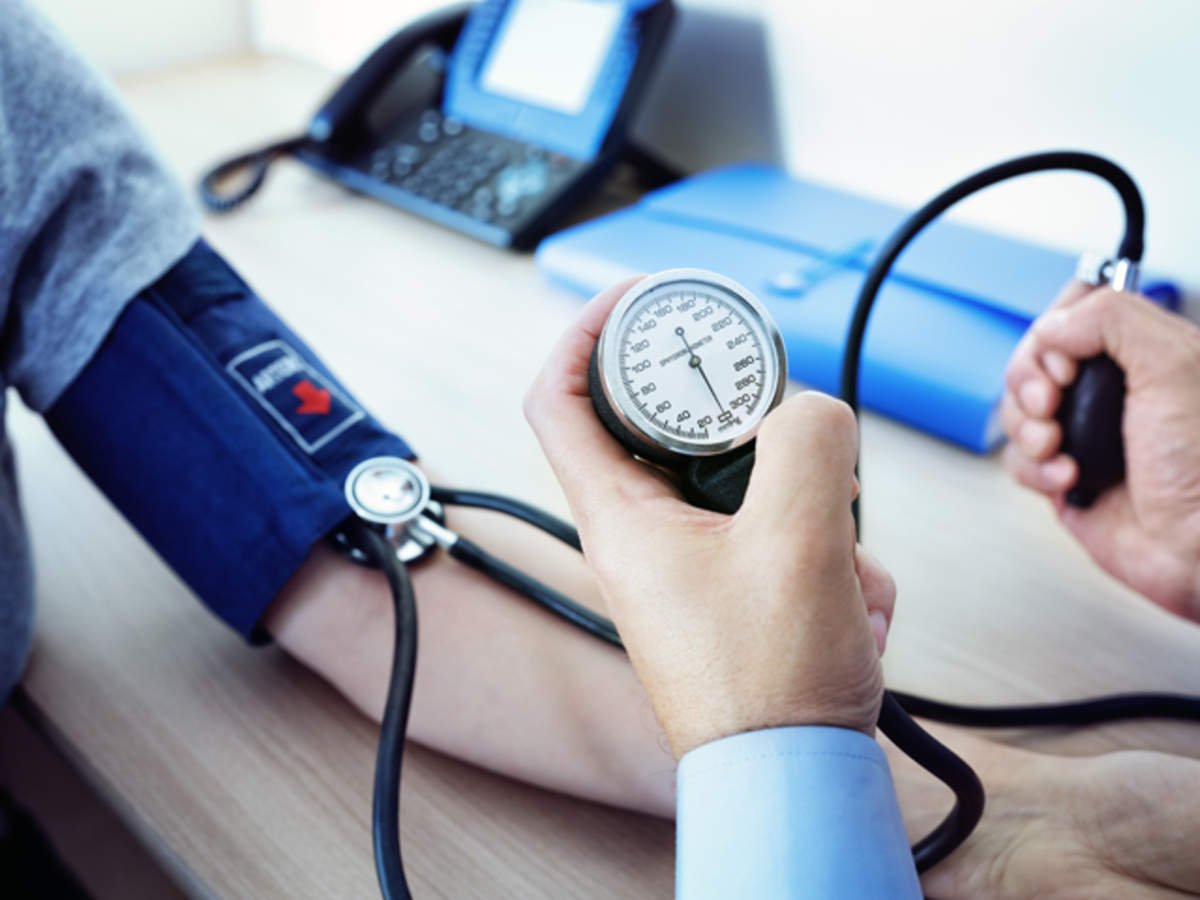
New Delhi, 15 May 2025: Every year, World Hypertension Day is observed on May 17 to raise awareness about high blood pressure (hypertension), often called the “silent killer.” In 2025, as cardiovascular diseases continue to claim millions of lives globally, understanding the link between high blood pressure and heart attacks is more critical than ever.
What is Hypertension?
Hypertension occurs when the force of blood against the artery walls remains consistently too high. A normal blood pressure reading is usually around 120/80 mmHg. Anything above 130/80 mmHg is considered elevated and may require medical attention.
Dr. Sanjay Mehra, a senior interventional cardiologist based in Delhi, explains, “High blood pressure isn’t just a number. Over time, it damages the heart and blood vessels, increasing your risk of heart attacks, strokes, kidney failure, and other life-threatening conditions.”
The Hidden Connection Between High Blood Pressure and Heart Attacks
Increased Arterial Strain
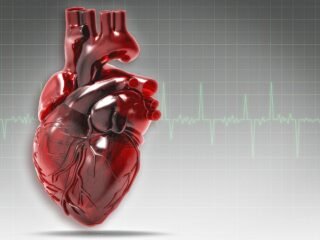
When your blood pressure is high, your heart has to work harder to pump blood through stiffened or narrowed arteries. This extra effort puts constant strain on the heart muscle, weakening it over time.
Plaque Buildup in Arteries (Atherosclerosis)
Hypertension speeds up the formation of fatty deposits (plaque) in the arteries. This condition—atherosclerosis—can block blood flow or even rupture, causing clots that can trigger a heart attack.
Left Ventricular Hypertrophy
Constant high pressure forces the heart’s left ventricle (its main pumping chamber) to thicken, making it less efficient. Over time, this thickened muscle may not get enough oxygen, leading to chest pain (angina) or even heart failure.
Silent Damage Over Time
“Because hypertension often presents no symptoms, many patients don’t realize they are at risk until a major cardiac event occurs,” says Dr. Mehra. This is why routine blood pressure checks are essential, especially after age 30.
On World Hypertension Day 2025, take a moment to reflect on your heart health. Unchecked blood pressure is one of the leading causes of heart attacks, but it doesn’t have to be. With early detection and the right lifestyle changes, you can significantly reduce your cardiac risk.
Your heart works tirelessly for you. Let this year be the one where you return the favor—by getting your blood pressure checked and making informed, heart-healthy choices.
Warning Signs to Watch For
Though hypertension often referred to as a silent disease because it typically presents no obvious symptoms, some individuals may still experience warning signs that shouldn’t ignored. These can include frequent headaches, dizziness, chest pain, shortness of breath, and irregular heartbeat. Dr. Sanjay Mehra, a senior cardiologist, stresses the importance of regular health checks, stating, “Even if you feel healthy, undiagnosed high blood pressure can quietly harm your heart.” Being proactive about monitoring your blood pressure can help prevent severe complications down the line.
The Numbers You Shouldn’t Ignore
Hypertension is an increasingly prevalent health concern in India. Nearly 1 in 4 adults across the country suffers from high blood pressure, making it one of the most common chronic conditions. According to the World Health Organization (WHO), hypertension is responsible for approximately 57% of stroke-related deaths and 24% of coronary heart disease deaths in India. The prevalence of this silent killer varies widely across regions — in urban areas, it affects around 30–45% of the population, while rural regions report a slightly lower prevalence ranging from 15–25%. Despite these alarming statistics, many people remain unaware of their condition due to the lack of visible symptoms.













Leave a comment