

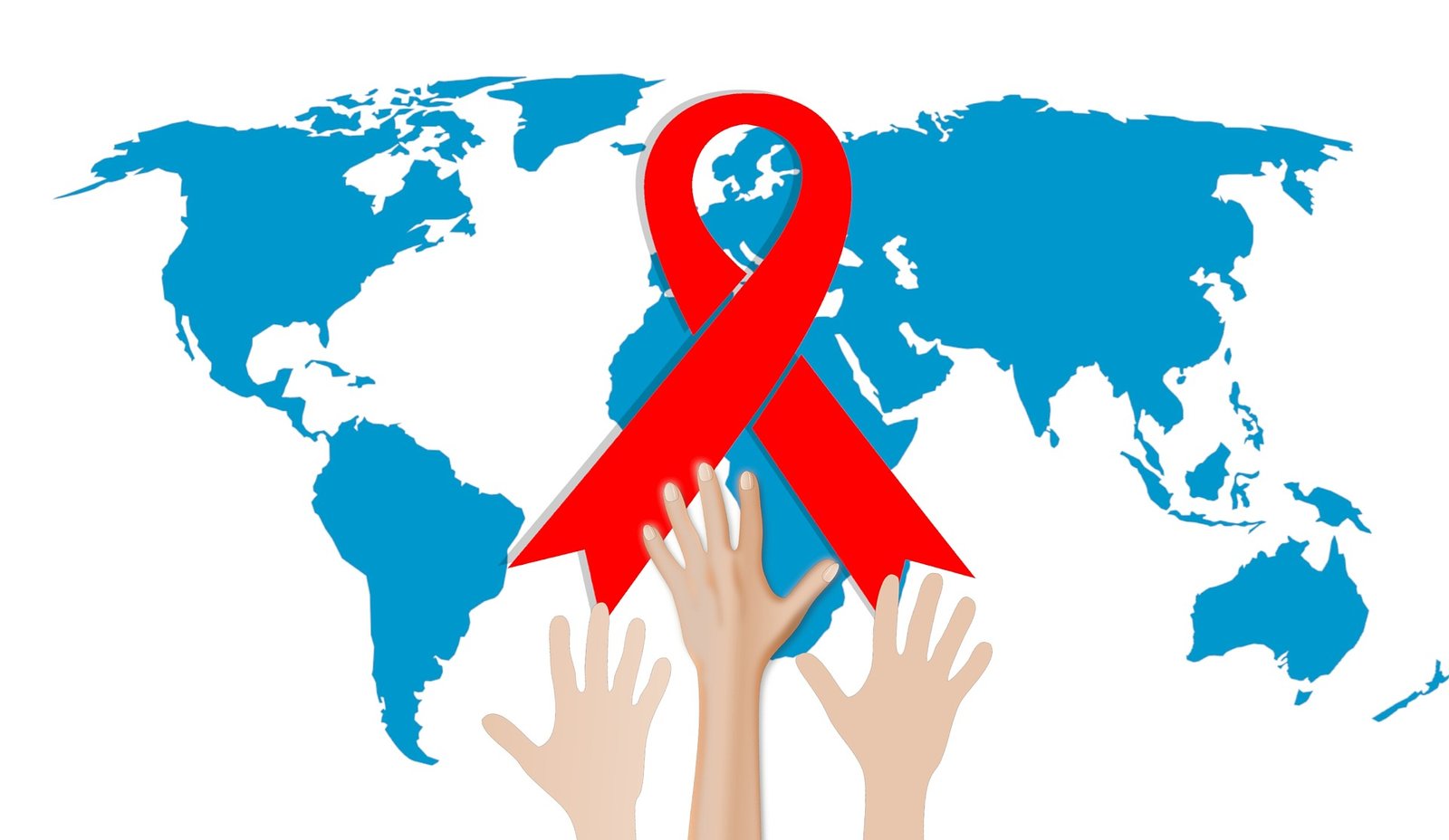
New Delhi, 28 November 2024: World HIV-AIDS Day, celebrated every year on December 1, serves as an essential reminder to raise awareness about HIV/AIDS, fight against stigma, and promote education regarding this serious health issue. But why is this day so important? For starters, it shines a light on the ongoing global impact of HIV/AIDS. It also gives us the chance to educate the public about how the virus is transmitted and how it can be prevented. Moreover, it fosters a sense of unity with those who are living with HIV, advocates for continued support and funding for research and treatment, and works to dispel common myths associated with the disease. In doing so, we can better engage our communities in meaningful discussions.
Common Misconceptions: Myths About HIV/AIDS
There are many misconceptions surrounding HIV/AIDS, which contribute to stigma and discrimination. One of the biggest myths is that HIV and AIDS are the same thing. In reality, HIV, or Human Immunodeficiency Virus, is the virus that leads to AIDS (Acquired Immunodeficiency Syndrome). It’s crucial to understand this distinction in order to support effective education and prevention efforts.
Transmission: Understanding How HIV Spreads
Another common myth is that HIV can be spread through casual contact, like hugging or sharing food. In truth, HIV primarily spreads through unsafe sexual interactions, sharing needles, and from mother to child during childbirth or breastfeeding. By clarifying how HIV is transmitted, we can help lessen the fear and discrimination those living with the virus often face.
HIV/AIDS Treatment: Living with The Condition
Many believe that receiving an HIV diagnosis means facing a death sentence, but that’s not the case anymore. Thanks to advancements in antiretroviral therapy (ART), people with HIV can live long, healthy lives. ART works to suppress the virus to undetectable levels, which essentially means it can’t be transmitted to partners—a concept known as U=U (Undetectable = Untransmittable). This empowers individuals diagnosed with HIV to seek the care they need without living in fear.
HIV/AIDS Testing: Understanding Your Status
Another common misunderstanding is that only certain groups are at risk for HIV. The reality is anyone can contract the virus, regardless of age, gender, or sexual orientation. It’s important for everyone to get tested regularly, especially those who may be at a higher risk. Knowing one’s HIV status is crucial for timely treatment and for preventing further transmission of the virus.
HIV/AIDS Stigma: The Consequences of Misunderstanding
The social stigma surrounding HIV/AIDS can be incredibly harmful. Many individuals worry about rejection or discrimination if their status is known. This fear can prevent people from seeking testing and treatment they need. It’s essential to create an environment of understanding and support, allowing individuals to feel safe when disclosing their status.
Education: The Key to Change
Education is vital in breaking down the myths surrounding HIV/AIDS. Schools, community organizations, and healthcare providers all play vital roles in delivering accurate information. Educational initiatives can help clarify misunderstandings about how HIV is transmitted, treated, and prevented, leading to a more informed public. It’s crucial to encourage open conversation regarding HIV/AIDS to eliminate ignorance and fear.
Community Engagement: Supporting Affected Individuals
World HIV-AIDS Day also highlights the significance of community support for those living with HIV. Many local organizations host events, offer resources, and create safe spaces for individuals to share their experiences. Engaging with the community fosters belonging and reduces feelings of isolation for those affected by HIV.















Leave a comment