

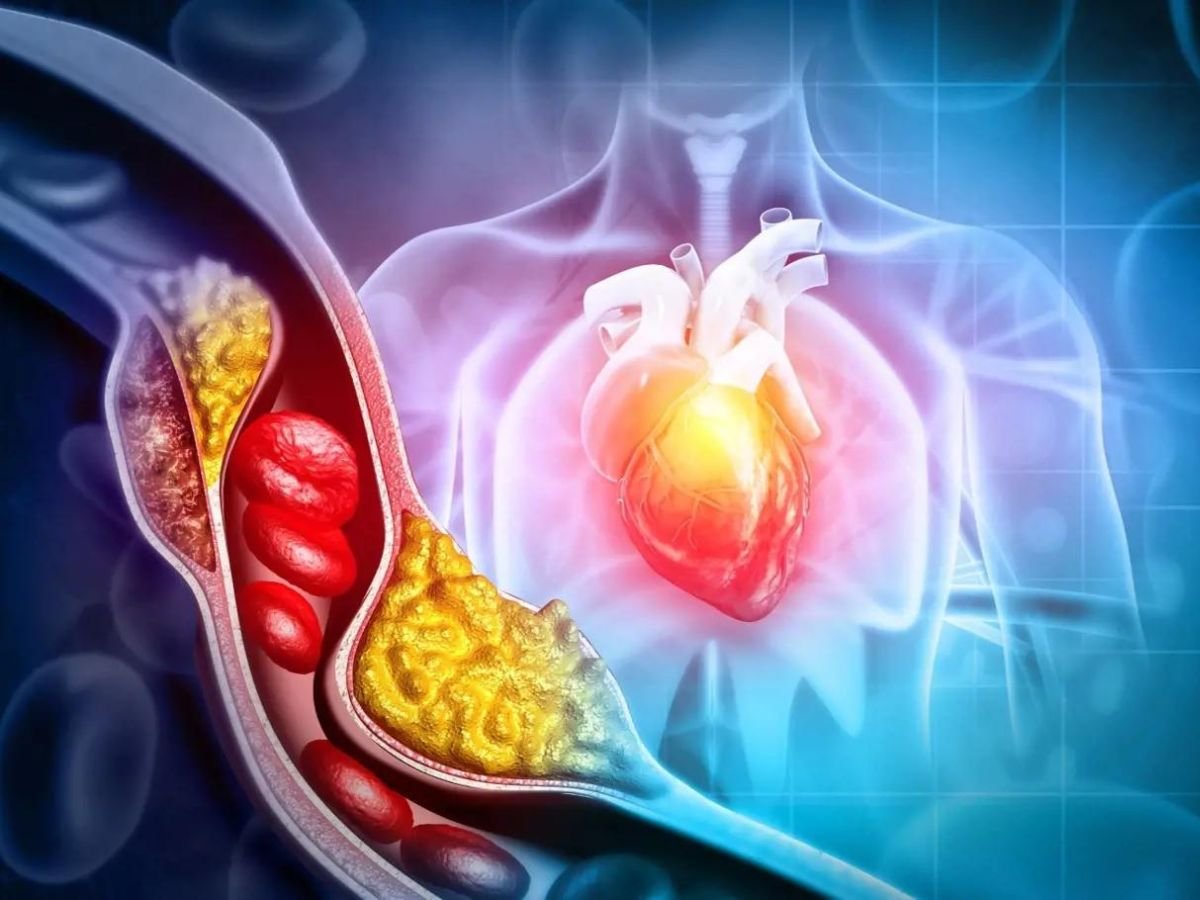
New Delhi, September 29: As the world observes World Heart Day, it is essential to understand the factors that contribute to poor heart health. High cholesterol is one of the primary risk factors for cardiovascular diseases, and it is crucial to understand its impact on heart health. In this article, we will explore the relationship between high cholesterol and heart health, and what experts have to say about it.
What is High Cholesterol?
High cholesterol, also known as hypercholesterolemia, is a condition where there is an excessive amount of cholesterol in the blood. Cholesterol is a type of fat found in the bloodstream that is essential for various bodily functions, such as the production of hormones and the maintenance of healthy cells. However, when the levels of cholesterol in the blood become too high, it can lead to the buildup of plaque in the arteries, increasing the risk of heart disease and stroke.
The Impact of Cholesterol on Heart Health
High cholesterol is a significant risk factor for cardiovascular diseases, including heart attacks, strokes, and peripheral artery disease. When the levels of low-density lipoprotein (LDL) cholesterol, also known as “bad” cholesterol, are high, it can lead to the buildup of plaque in the arteries. This buildup of plaque can cause the arteries to narrow, reducing blood flow to the heart, brain, and other vital organs.
According to a leading cardiologist, “High cholesterol is a silent killer, and it is essential to take proactive steps to manage it. Regular check-ups, a healthy diet, and regular exercise can help reduce the risk of heart disease and stroke.”
The expert further added, “A healthy diet is crucial in managing high cholesterol. Consuming foods that are low in saturated and trans fats, such as fruits, vegetables, and whole grains, can help reduce the levels of LDL cholesterol in the blood.”
Managing High Cholesterol
Managing high cholesterol requires a multi-faceted approach that includes lifestyle changes, dietary modifications, and, in some cases, medication. Here are some tips to help manage high cholesterol:
Maintain a Healthy Weight: Excess weight can increase the levels of LDL cholesterol in the blood. Maintaining a healthy weight through a combination of diet and exercise can help reduce the risk of heart disease.
Eat a Heart-Healthy Diet: Consuming a diet that is low in saturated and trans fats, such as fruits, vegetables, and whole grains, can help reduce the levels of LDL cholesterol in the blood.
Exercise Regularly: Regular exercise, such as walking, jogging, or cycling, can help raise the levels of high-density lipoprotein (HDL) cholesterol, also known as “good” cholesterol.
Quit Smoking: Smoking is a significant risk factor for heart disease, and quitting can help reduce the risk of heart disease and stroke.
Limit Alcohol Consumption: Excessive alcohol consumption can increase the levels of LDL cholesterol in the blood. Limiting alcohol consumption to moderate levels can help reduce the risk of heart disease.
High cholesterol is a significant risk factor for cardiovascular diseases, and it is essential to take proactive steps to manage it. However, by managing a healthy living, individuals can reduce the risk of heart disease and stroke. Regular check-ups and screenings can also help identify high cholesterol early, allowing for timely intervention and treatment.











Leave a comment