As temperatures drop, many people begin to notice an unwelcome change in their bodies: stiff joints, tight muscles, and an overall sense of reduced flexibility. From aching knees in the morning to sore shoulders that refuse to loosen up, winter often intensifies musculoskeletal discomfort. While this seasonal stiffness is common, it is not just “in your head.” Cold weather genuinely affects how your joints and muscles function.
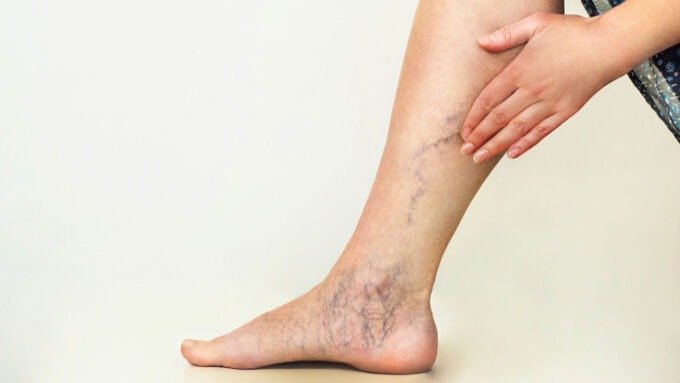
One of the primary reasons winter worsens stiffness is reduced blood circulation. In cold conditions, the body naturally constricts blood vessels to preserve heat for vital organs. This response limits blood flow to the extremities, including muscles and joints. With less warm, oxygen-rich blood reaching these areas, muscles can feel tight and less responsive, while joints may feel sore or rigid, especially after periods of inactivity.
Temperature also plays a direct role in how muscles behave. Muscles work best when they are warm and elastic. In colder weather, muscle fibers tend to contract and shorten, reducing flexibility and increasing the risk of stiffness or strain. This is why sudden movements or skipping warm-ups during winter can more easily lead to muscle pulls or spasms.
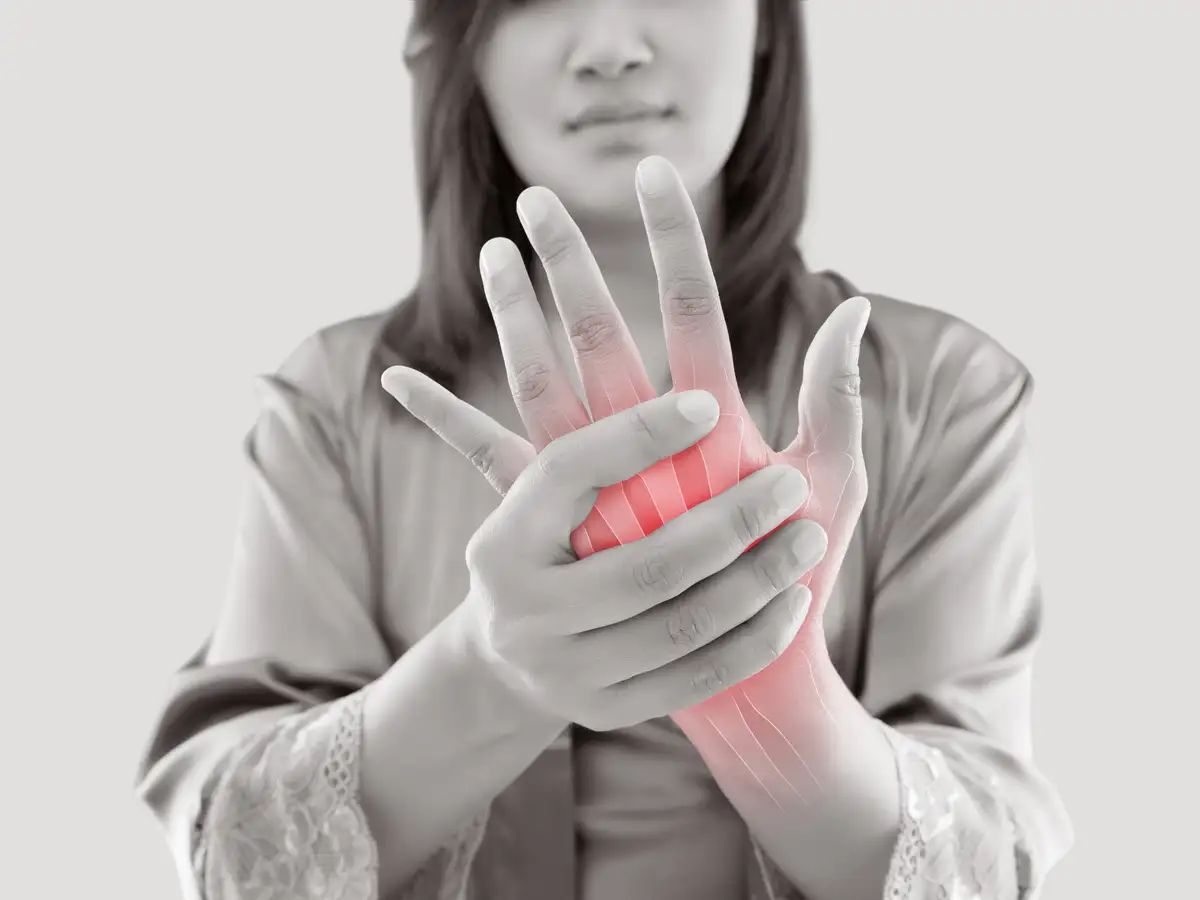
Joints, particularly those affected by arthritis or previous injuries, are especially sensitive to cold. The synovial fluid that lubricates joints can thicken slightly in lower temperatures, making joint movement feel less smooth. For people with osteoarthritis or rheumatoid arthritis, this change can intensify pain and stiffness, particularly in weight-bearing joints like the knees, hips, and lower back.
Another often-overlooked factor is reduced physical activity during winter. Shorter days, cold mornings, and gloomy weather can discourage regular exercise. When movement decreases, joints do not get the gentle motion they need to stay flexible, and muscles gradually lose strength and elasticity. Prolonged sitting or staying indoors for long hours can further worsen stiffness, especially in the neck, shoulders, and lower back.
Cold weather can also heighten pain sensitivity. Some studies suggest that changes in barometric pressure during winter may affect how nerves perceive pain, making aches feel more intense. This combination of physical changes and heightened sensitivity explains why old injuries or chronic joint issues tend to “flare up” during colder months.
Dehydration is another hidden contributor. People often drink less water in winter because they do not feel as thirsty as they do in summer. However, dehydration can reduce joint lubrication and increase muscle cramping, making stiffness more noticeable.
The good news is that winter stiffness is manageable. Staying active is one of the most effective ways to keep joints and muscles healthy. Gentle exercises such as walking, stretching, yoga, or light strength training help improve circulation and maintain flexibility. Even short bouts of movement throughout the day can make a significant difference.
Keeping the body warm is equally important. Wearing layered clothing, using knee or elbow warmers, and taking warm showers can help relax muscles and improve blood flow. A proper warm-up before exercise becomes even more crucial in winter to prevent injuries.
Maintaining hydration and a balanced diet rich in anti-inflammatory foods, such as fruits, vegetables, nuts, and omega-3 fatty acids, can also support joint health. For those with chronic joint pain or arthritis, consulting a healthcare professional for tailored exercise plans or pain management strategies is advisable.
Feeling stiffer in winter is a natural response to colder conditions, but it does not have to control your daily life. By understanding how cold weather affects your joints and muscles and making small, consistent lifestyle adjustments, you can stay mobile, comfortable, and active throughout the colder months.