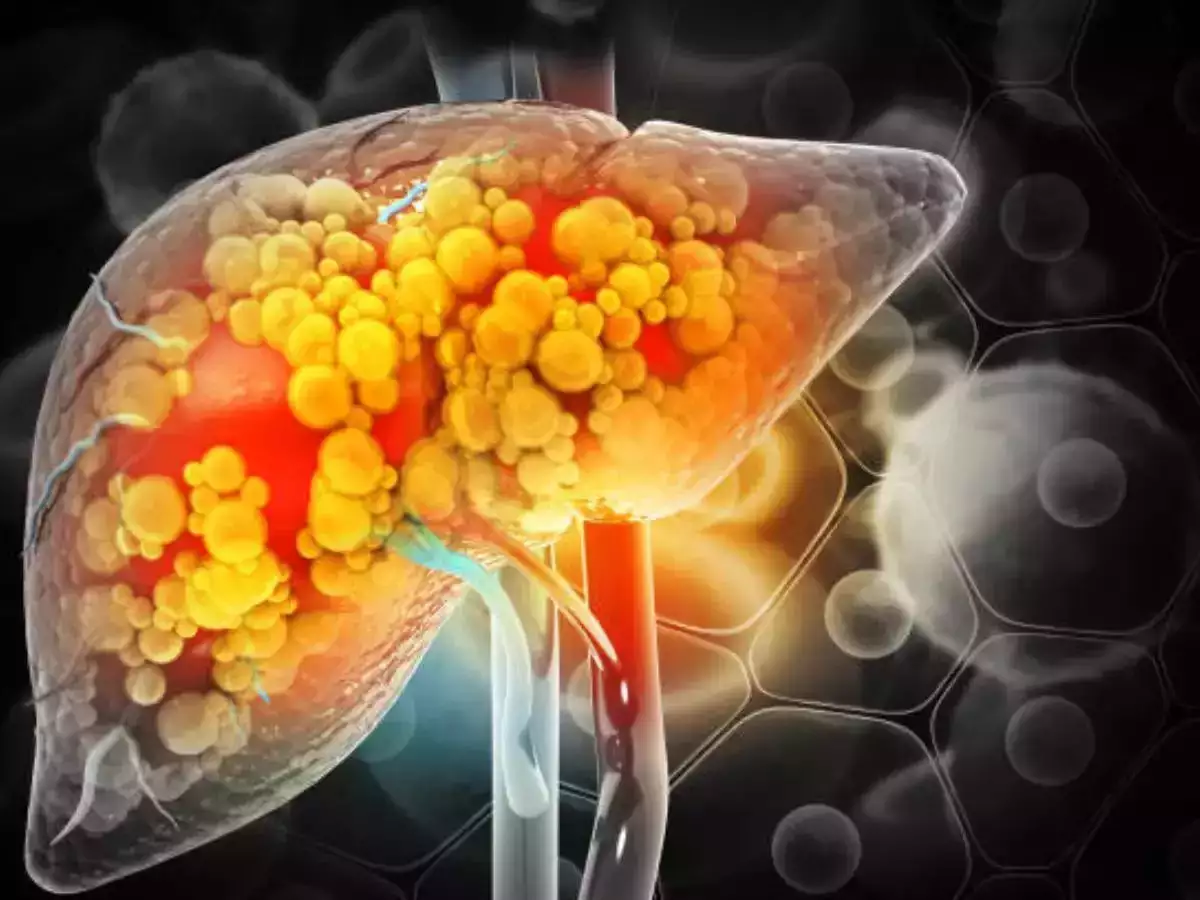
India is facing a growing health challenge that has largely remained under the radar until recently: fatty liver disease. Once thought to be uncommon and linked mostly to heavy alcohol consumption, this condition has surged dramatically and placed India among the top three countries globally in prevalence. This shift has serious implications for public health and demands urgent attention. Here’s a clear, evidence-based explanation of what’s happening and why it matters.
What Is Fatty Liver Disease?
Fatty liver disease occurs when excess fat accumulates in liver cells — beyond what the organ can process — leading to inflammation and, over time, serious liver damage. The most widespread form today is Metabolic Dysfunction–Associated Steatotic Liver Disease (MASLD), previously known as non-alcoholic fatty liver disease (NAFLD). This version occurs without significant alcohol use and is primarily linked to metabolic risk factors like obesity and type 2 diabetes.
India’s Rising Ranking: A Health Indicator of Concern
Recent studies show a startling trend: between 2010 and 2021, India’s age-standardised prevalence of MASLD increased by around 13.2 percent, placing it just behind China and Sudan among countries with the steepest rise in cases worldwide.
National health estimates suggest that the condition could affect anywhere from 9 percent to as much as 50+ percent of the population in different groups, with urban areas showing especially high rates. This dramatic rise is why India now ranks among the world’s top three countries for fatty liver disease — and why doctors and public health authorities are increasingly alarmed.
What’s Driving the Surge?
The growth of fatty liver disease in India is not due to alcohol use alone. Instead, it reflects deeper lifestyle and metabolic changes across society:
1. Obesity and Abdominal Fat
India has seen a sharp rise in obesity, particularly abdominal obesity. Excess belly fat releases fatty acids and inflammatory substances that make the liver more likely to accumulate fat.
2. Type 2 Diabetes and Metabolic Syndrome
High blood sugar and insulin resistance — hallmarks of type 2 diabetes — dramatically increase the risk of MASLD. Around 70 percent of people with type 2 diabetes and nearly 80 percent of those with obesity have some degree of fatty liver.
3. Unhealthy Dietary Patterns
Diets high in refined carbohydrates, sugary beverages, processed foods, and saturated fats contribute to metabolic disturbances. These foods promote weight gain and excessive fat storage, including in the liver.
4. Sedentary Lifestyles
Modern work patterns — especially desk jobs with long hours of sitting and minimal physical activity — are strongly linked to weight gain and metabolic dysfunction. Some surveys report extraordinarily high proportions of sedentary workers showing signs of fatty liver.
5. Improved Detection and Awareness
While the real rise in cases is concerning, better screening, increased use of imaging, and heightened awareness mean many cases that previously went undiagnosed are now being detected.
Why It Matters: Beyond the Liver
Fatty liver disease isn’t just a liver problem. As it progresses from simple fat accumulation to inflammation and scarring, it can lead to:
- Non-alcoholic steatohepatitis (NASH) — where inflammation and liver cell injury occur.
- Fibrosis and cirrhosis — irreversible scarring that impairs liver function.
- Liver cancer — a serious and often deadly outcome of advanced disease.
But the risks extend further. MASLD is strongly associated with cardiovascular diseases, which are already among the leading causes of death in India. This means individuals with fatty liver often face a higher likelihood of heart attacks, stroke, and complications from metabolic conditions.
Early Detection: A Possibility, Not a Guarantee
One of the most insidious aspects of fatty liver disease is that it can be asymptomatic for years. Many people have no noticeable signs until substantial liver damage has occurred, which makes routine health screening essential. Services like ultrasound, blood tests, or specialised elastography can identify fat accumulation and early fibrosis.
However, limited access to regular health check-ups, especially in rural and underserved areas, means many cases remain hidden until advanced stages.
The Silver Lining: Reversibility with Lifestyle Changes
Unlike many chronic diseases, early-stage MASLD can often be reversed or significantly improved with appropriate lifestyle changes:
- Healthy weight loss — even modest (5–10 percent) reduction in body weight can reduce liver fat.
- Balanced diet — focusing on whole foods, lean proteins, complex carbs, and reducing sugar and processed fat intake.
- Regular physical activity — at least 150 minutes of moderate exercise weekly helps improve insulin sensitivity and reduce liver fat.
Public health guidelines now emphasise the need for early intervention, especially among high-risk groups like people with diabetes, obesity, or metabolic syndrome.
A Growing Public Health Priority
The rise of fatty liver disease from a relatively obscure condition to a major public health concern in India signals broader shifts in societal health patterns. Its connection to multiple metabolic diseases — including diabetes and heart disease — means that tackling fatty liver effectively requires integrated strategies across diet, lifestyle, healthcare access, and community awareness.
Moreover, young adults and even children are increasingly affected, underlining the need for health education and prevention at all ages.
Conclusion: A Silent Epidemic with a Path Forward
India’s status among the world’s top three countries for fatty liver disease underscores a silent but critical health challenge. Driven by rising obesity, metabolic dysfunction, unhealthy lifestyles, and improved detection, fatty liver disease threatens millions and contributes to broader health burdens. Nonetheless, with timely screening and sustained lifestyle changes, early disease can be prevented or reversed.
Public health efforts, clinical awareness, and individual lifestyle choices will shape how effectively India can curb this growing epidemic — and ultimately, protect the liver health of future generations.