

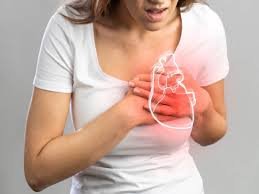
New Delhi, 14 June 2025: Heart disease has long been viewed as a predominantly male issue, but experts warn that postmenopausal women face a significantly heightened risk of heart attacks—often more silently and fatally. According to cardiologists, the drop in estrogen levels after menopause plays a major role in altering cardiovascular health. This hormonal shift, combined with age-related metabolic changes and lifestyle factors, makes postmenopausal women more vulnerable to heart attacks than many realise. Understanding the causes and prevention strategies is key to protecting heart health during this critical stage of life.
How Estrogen Protects the Heart—And What Happens After Menopause
Before menopause, estrogen plays a protective role in a woman’s body. It helps maintain healthy cholesterol levels, supports flexible blood vessels, and reduces inflammation—three factors that help lower heart attack risk. However, once a woman enters menopause (typically between ages 45–55), estrogen levels fall sharply, resulting in loss of this cardiovascular shield. The result is increased arterial stiffness, higher blood pressure, rising LDL (bad cholesterol), and lower HDL (good cholesterol)—all of which raise the risk of atherosclerosis and cardiac events.
Additional Risk Factors After Menopause
Beyond hormonal changes, several metabolic and lifestyle shifts occur post-menopause that compound heart disease risk:
- Weight gain and fat accumulation around the abdomen, which contributes to insulin resistance.
- Higher risk of type 2 diabetes, especially with sedentary habits.
- Increased blood pressure and bad cholesterol, which damage artery walls over time.
- Chronic inflammation and oxidative stress, leading to plaque build-up in the arteries.
- Mental health concerns like anxiety, sleep disorders, and depression, which also impact heart health.
Why Symptoms Often Go Unnoticed in Women
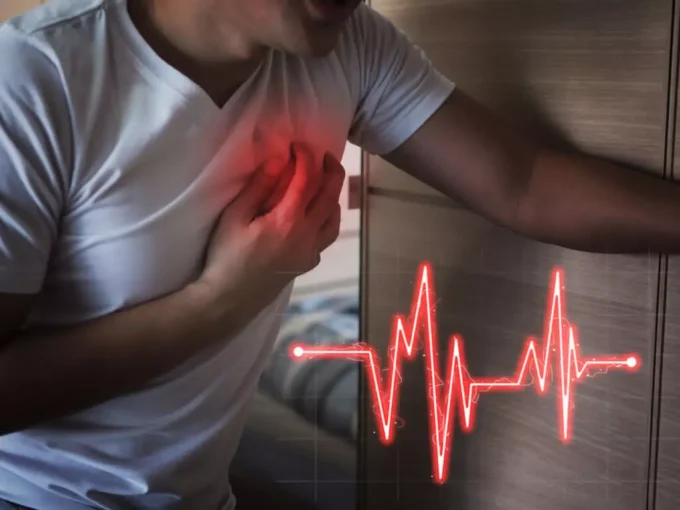
One of the most concerning issues is that women’s heart attack symptoms differ from men’s, often making them harder to recognise. While chest pain is still common, many postmenopausal women experience subtler signs such as shortness of breath, nausea, fatigue, dizziness, back or jaw pain, and anxiety, which can easily be mistaken for non-cardiac issues. This delay in seeking help can lead to worse outcomes.
How Women Can Protect Their Heart After Menopause
Experts stress that prevention and early intervention are the most powerful tools for safeguarding heart health. Here’s how:
- Regular heart screenings: Blood pressure, cholesterol, blood sugar, and weight checks should become routine.
- Heart-healthy diet: Eat more fruits, vegetables, whole grains, legumes, and omega-3-rich foods. Cut down on processed foods, salt, and sugar.
- Exercise regularly: At least 30 minutes of moderate-intensity activity (like brisk walking or yoga) five days a week.
- Quit smoking and limit alcohol: Both dramatically increase heart disease risk in postmenopausal women.
- Manage stress and sleep: Chronic stress and poor sleep can elevate blood pressure and disrupt hormone balance.
- Consider hormone therapy cautiously: In some cases, estrogen replacement may be recommended under medical supervision—but it’s not suitable for everyone.
Heart attacks in women after menopause are common, dangerous, and often underdiagnosed. As estrogen protection fades, women must become proactive about cardiovascular wellness through lifestyle changes, regular screenings, and awareness of atypical symptoms. Empowering women with this knowledge can help prevent tragedy and ensure healthier, longer lives after menopause.












Leave a comment