

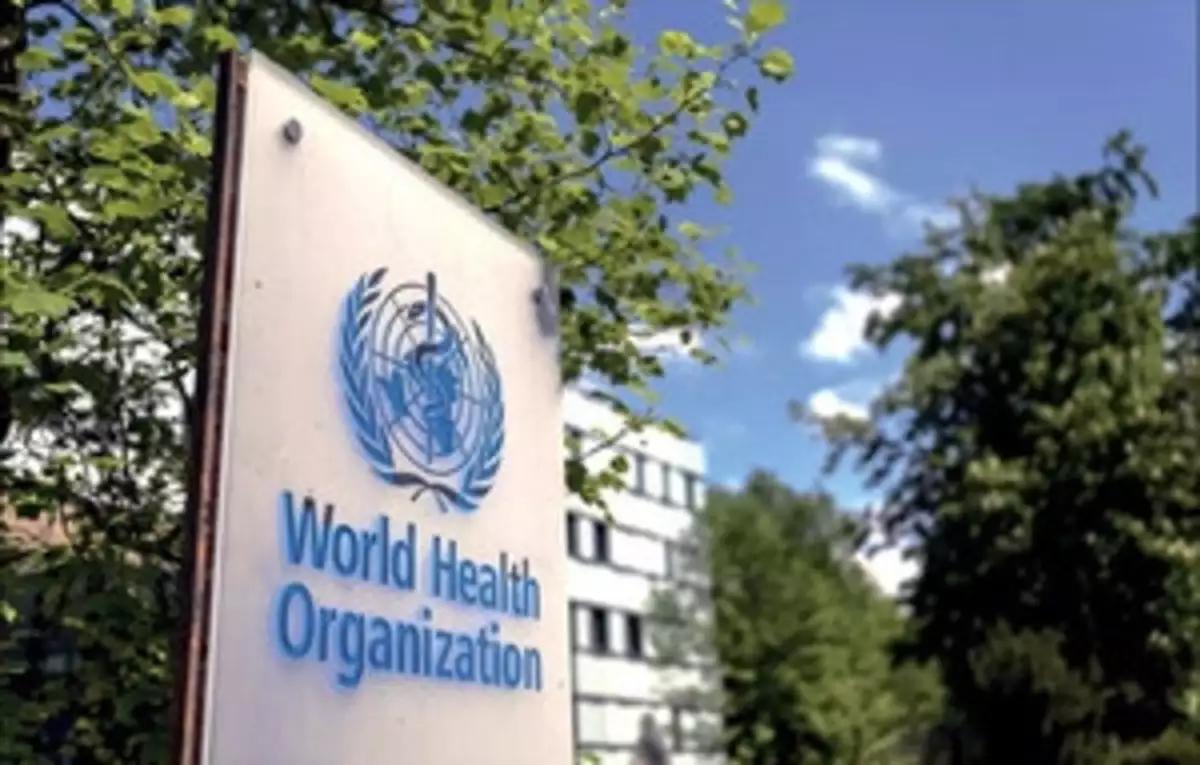
New Delhi, 30 April 2025: In the wake of rising outbreaks of vaccine-preventable diseases and declining immunization rates. The World Health Organization (WHO) has reaffirmed its dedication to safeguarding children worldwide. This renew commitment was prominently featured during World Immunization Week 2025, observes annually in the last week of April. The theme for this year, “Immunization for All is Humanly Possible.” Underscores the collective effort require to ensure every child receives life-saving vaccines.
Saima Wazed, WHO Regional Director for South-East Asia, emphasized the critical role of vaccines in public health. In her statement, she highlighted that vaccines are safe, effective. And essential tools in preventing diseases that can hinder children’s growth and development. “Each year, in the last week of April, we come together to celebrate World Immunisation Week—a powerful reminder of the life-saving impact of vaccines,” Wazed stated.
Rising Threats To WHO: The Resurgence of Preventable Diseases
Recent data indicates a troubling resurgence of diseases once under control, such as measles, pertussis (whooping cough), and polio. In the United States, whooping cough cases have doubled compared to the previous year, with over 8,000 cases reported in 2025. This increase attributed to declining vaccination rates and growing vaccine hesitancy.
Moreover, a study published in JAMA warns that if current vaccination trends continue. The U.S. could face over 11 million measles cases in the next 25 years. The study also projects significant increases in rubella and polio cases, potentially resulting in over 159,000 deaths.
Globally, the situation is equally concerning. In 2023, approximately 14.5 million children missed all routine vaccine doses, up from 13.9 million in 2022. Many of these children reside in regions affects by conflict or instability, where access to healthcare services are limited.
What Are The Common Challenges?
The resurgence of vaccine-preventable diseases compounded by significant reductions in global health funding. The United Nations reports that aid funding cuts, particularly by major donors like the United States, have severely disrupted childhood vaccination programs. These cuts have led to reduced vaccine supplies and impaired disease surveillance systems in nearly half of the 108 low and lower-middle-income countries surveyed.
Gavi, the Vaccine Alliance, has launched a $9 billion fundraising campaign for its 2026–2030 program, aiming to reach 500 million children and save at least 8 million lives. However, the success of this initiative hinges on securing adequate funding from international donors.
Strategic Initiatives: WHO’s Comprehensive Approach
In response to these challenges, WHO is implementing several strategic initiatives to bolster immunization efforts:
- Immunization Agenda 2030: A global strategy aiming to make vaccines accessible to everyone, everywhere, by the end of the decade.
- Enhanced Surveillance: Strengthening disease monitoring systems to quickly identify and respond to outbreaks.
- Community Engagement: Collaborating with local leaders and organizations to address vaccine hesitancy and misinformation.
- Equitable Access: Ensuring that vaccines are available to marginalized and hard-to-reach populations, including those in conflict zones.
The resurgence of vaccine-preventable diseases serves as a stark reminder of the importance of sustained immunization efforts. WHO’s reinforced commitment highlights the need for global solidarity to protect children from preventable illnesses.
As Saima Wazed aptly stated, “Immunisation for all is humanly possible.” Achieving this goal requires unwavering dedication from governments, healthcare providers, communities, and individuals alike. By prioritizing immunization, we can ensure a healthier, more resilient future for children worldwide.














Leave a comment