

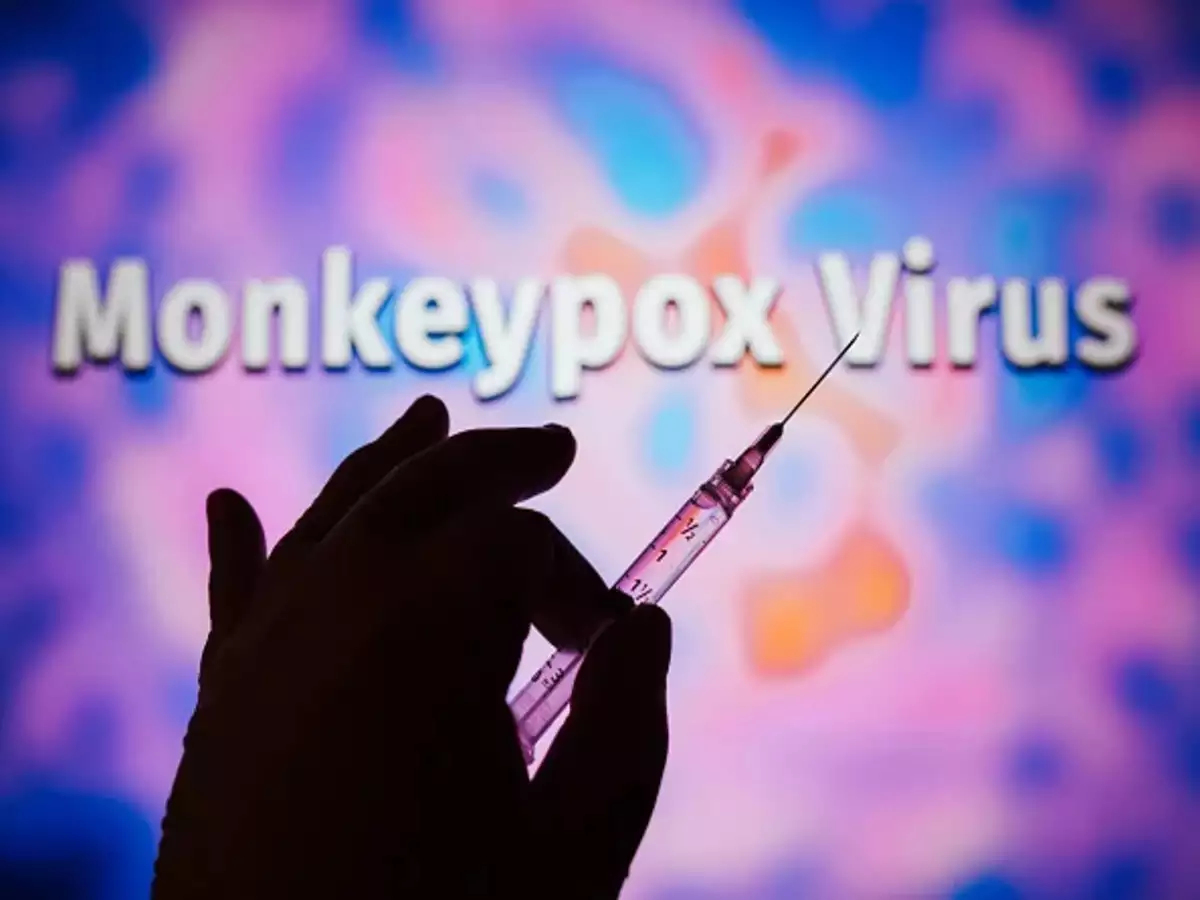
New Delhi, 20 November 2024: In a significant move to combat the ongoing threat of mpox (formerly known as monkeypox), the World Health Organization (WHO) has announced the addition of the LC16m8 mpox vaccine to its Emergency Use Listing (EUL).
The LC16m8 vaccine, developed as part of the global response to the mpox outbreak, offers new hope for curbing the transmission of the virus. The approval by the WHO allows for broader access to the vaccine, providing countries with a tool to protect vulnerable populations and mitigate the spread of this potentially severe disease. This article explores the significance of the EUL designation, the science behind the LC16m8 vaccine, and what it means for global public health efforts.
Understanding Mpox: What Is It?
Mpox is a viral disease caused by the monkeypox virus, a member of the smallpox family. It was first identified in humans in 1970 in the Democratic Republic of the Congo, but the virus has remained relatively rare outside of Central and West Africa. However, in recent years, there has been an alarming increase in mpox cases, particularly outside the traditional endemic areas, sparking concern among health authorities worldwide.
The 2022 global outbreak, which began in May of that year, saw an unprecedented spread of the disease to countries in Europe, North America, and beyond. The virus spreads through direct contact with an infected person’s bodily fluids, lesions, or respiratory droplets. It can also be transmitted through contaminated materials such as bedding or clothing. While many people recover without needing medical intervention, the disease can cause serious complications, including death, in certain cases, particularly among those with weakened immune systems.
Symptoms of mpox typically include fever, headache, muscle aches, exhaustion, and a distinctive rash that progresses through different stages. While the majority of cases in the 2022 outbreak were mild, the rapid spread of the virus and its potential for severe disease raised concerns about the need for preventive measures, including vaccines.
The Role of Vaccines in Controlling Mpox: What is the LC16m8 Mpox Vaccine?
The LC16m8 mpox vaccine is a live attenuated vaccine originating from Japan. It aims to provide immunity against mpox, a virus capable of causing severe health issues. After undergoing extensive testing to ensure safety and effectiveness, this vaccine has become a crucial asset in the global battle against mpox. It stimulates the immune system to identify and fight the virus, preventing infection and disease progression.
Importance of the Emergency Use Listing
The WHO’s Emergency Use Listing expedites the availability of vaccines and treatments during health crises. By including the LC16m8 mpox vaccine, the WHO is ensuring faster access for nations most in need. The EUL process guarantees that vaccines comply with specific safety and efficacy criteria, providing countries with the assurance to launch vaccination programs swiftly. This is especially critical in areas facing outbreaks, where timely action can save lives.
The inclusion of the LC16m8 mpox vaccine in the EUL marks a significant milestone in global health security. It highlights the necessity of having a diverse range of vaccines to tackle different infectious diseases. By bolstering preparedness against mpox, the WHO aims to lessen the effects of future outbreaks. In today’s interconnected world, this proactive approach is vital, as diseases can spread quickly across borders.
The addition of the LC16m8 mpox vaccine equips public health officials with a new means to manage outbreaks. Vaccination has been proven to be an effective strategy to slow the spread of infectious diseases, and the availability of this vaccine empowers nations to carry out targeted vaccination efforts. By immunizing at-risk groups, health authorities can reduce transmission rates and protect vulnerable populations from severe illness.
A key objective for WHO in adding the LC16m8 mpox vaccine to the EUL is to promote fair vaccine access across various regions. This initiative is especially crucial for low- and middle-income countries that may find it challenging to obtain vaccines through regular means. The EUL simplifies access for these nations, ensuring that all communities can benefit from this vital public health intervention.
The WHO’s endorsement of the LC16m8 mpox vaccine also highlights the significance of international collaboration in tackling public health issues. The development and approval process for this vaccine involved teamwork among various stakeholders, including governments, researchers, and health organizations. Such partnerships are crucial for sharing knowledge, resources, and expertise, resulting in more effective responses to global health challenges.
The addition of the LC16m8 mpox vaccine to the WHO Emergency Use Listing is a pivotal moment in the global fight against monkeypox. With the virus continuing to pose a public health threat, the availability of a safe and effective vaccine provides a powerful tool for prevention and control. By enhancing global vaccine access, improving preparedness, and investing in research, the world can take significant strides toward containing mpox and protecting public health.
As countries prepare to roll out the vaccine and respond to outbreaks, the continued collaboration between international health organizations, governments, and the scientific community will be key to overcoming this global health challenge.













Leave a comment