

New Delhi, 08 October, 2025: The World Health Organization (WHO) has released updated clinical guidelines aimed at reducing maternal deaths caused by postpartum hemorrhage (PPH) — a leading cause of preventable maternal mortality globally. Excessive bleeding after childbirth claims thousands of lives each year, and experts say improved prevention and early intervention could save many of them.
The revised guidelines come at a critical time when countries are working to strengthen maternal health services, especially in low-resource settings where access to emergency care is limited.
What Is Postpartum Hemorrhage?
postpartum hemorrhage is defined as blood loss of more than 500 ml after vaginal birth or more than 1,000 ml after a cesarean section. It usually occurs within the first 24 hours after delivery, but can also develop later.
PPH can be life-threatening if not treated promptly, leading to hypovolemic shock, organ failure, and even death.
“The majority of these deaths are preventable with timely and appropriate medical care,” said a WHO spokesperson. “Our new recommendations focus on both prevention and emergency response.”
Why These Guidelines Matter
Globally, PPH is responsible for nearly a quarter of all maternal deaths. Many of these occur in low- and middle-income countries where delays in diagnosis, referral, or treatment are common. Even in urban hospitals, PPH can turn fatal quickly if the bleeding is underestimated or medical protocols are not followed properly.
The new WHO guidelines aim to:
- Standardize early detection of excessive bleeding.
- Ensure timely administration of life-saving interventions.
- Train healthcare workers to respond effectively.
- Strengthen health systems to reduce preventable maternal deaths.
Key Recommendations from WHO
1. Active Management of the Third Stage of Labour (AMTSL)
WHO emphasizes preventing PPH before it begins. One of the most effective ways is active management of the third stage of labor — the period after the baby is born and before the placenta is delivered.
This includes:
- Administration of oxytocin immediately after birth.
- Controlled cord traction.
- Uterine massage to ensure the uterus contracts properly.
2. First-Line Treatment with Uterotonics
For women who develop PPH, WHO recommends rapid administration of uterotonic drugs (such as oxytocin or other alternatives if oxytocin is not available). These help the uterus contract, slowing and stopping bleeding.
3. Use of Tranexamic Acid (TXA)
Early administration of tranexamic acid within 3 hours of birth can significantly reduce mortality from PPH. TXA helps prevent blood clots from breaking down, allowing bleeding to stop more quickly.
4. Improved Blood Loss Measurement
Instead of visual estimation, which is often inaccurate, WHO encourages quantitative blood loss measurement using calibrated collection tools. This ensures early detection of bleeding before it becomes critical.
5. Coordinated Emergency Response
Facilities must have clear, practiced emergency protocols. This includes rapid access to blood transfusions, surgical interventions if needed, and trained staff to manage shock.
Recognizing Warning Signs Early
Early identification is crucial. Warning signs of PPH can include:
- Heavy vaginal bleeding that soaks pads or sheets quickly
- Dizziness, rapid heartbeat, or fainting
- Drop in blood pressure
- Pallor or cold, clammy skin
- Difficulty breathing or weakness
Immediate medical attention can be life-saving.
Why Maternal Health Infrastructure Matters
In many rural or under-resourced areas, women give birth without access to emergency obstetric care. This delay in treatment is one of the main reasons why PPH remains a major killer despite being treatable.
Strengthening healthcare infrastructure, ensuring trained birth attendants, and improving referral systems are key components of WHO’s strategy.
WHO also recommends integrating community health education so that families can recognize the danger signs early and seek prompt medical help.
The Role of Skilled Birth Attendance
WHO underscores the need for skilled health personnel at every delivery. Trained midwives, nurses, or doctors can:
- Prevent bleeding through early interventions.
- Recognize warning signs quickly.
- Administer life-saving drugs like oxytocin and TXA.
- Arrange rapid referral to higher-level care when needed.
Postpartum Monitoring: The Critical First Hours
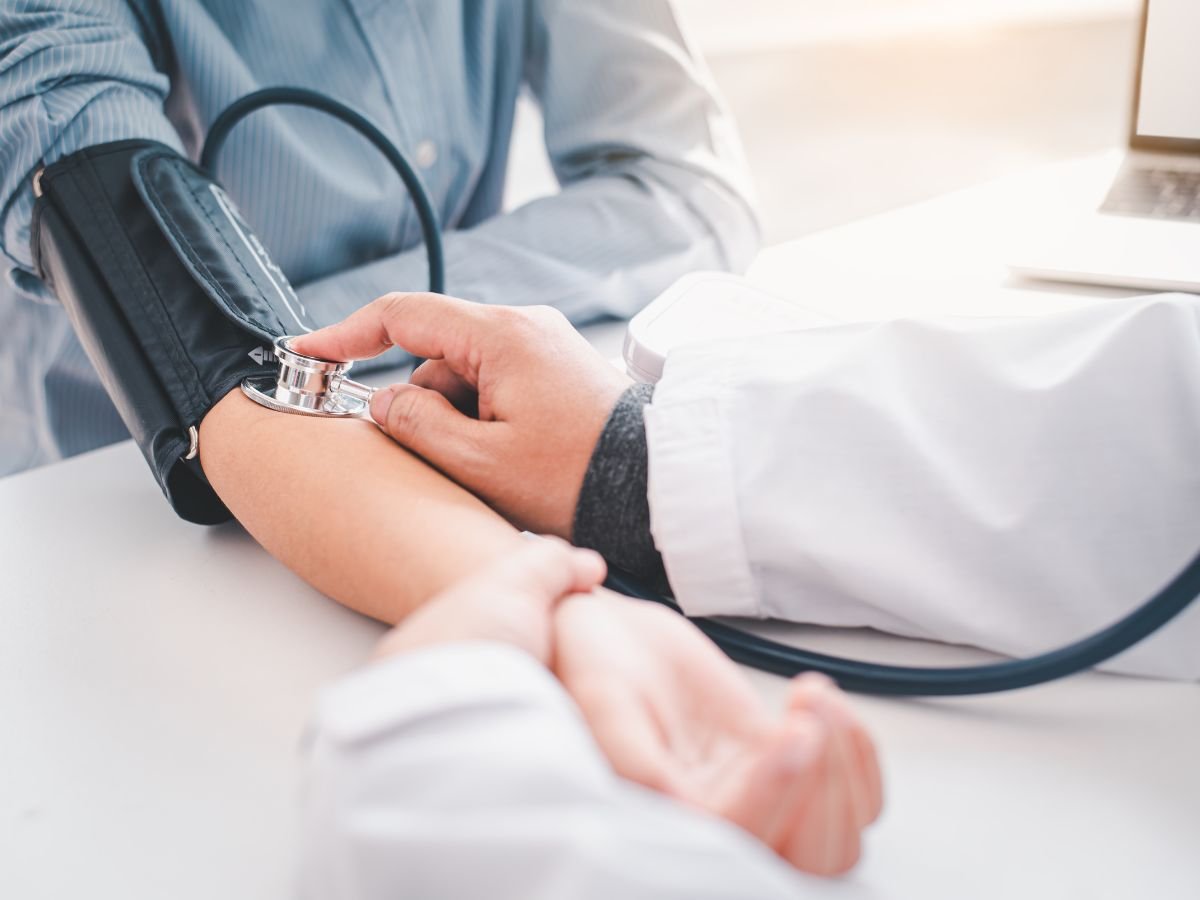
The first 24 hours after delivery are when most PPH cases occur. WHO recommends close monitoring of the mother during this period — not just for bleeding, but for other signs of hemodynamic instability. Regular checking of pulse, blood pressure, and uterine tone can catch problems early.
Community Awareness and Family Role
In many cases, the family is the first to notice signs of heavy bleeding at home. WHO urges community health programs to educate families on:
- Recognizing abnormal postpartum bleeding
- Seeking immediate medical help
- Avoiding home remedies or delay in transport
Empowering families and communities can save lives before a woman even reaches a hospital.
A Global Call to Action
PPH has been a leading cause of preventable maternal deaths for decades. The updated WHO guidelines are part of a broader global strategy to ensure:
- Universal access to safe childbirth.
- Better emergency preparedness in healthcare facilities.
- Stronger supply chains for essential medicines.
- Regular training for birth attendants and healthcare workers.
“No woman should die from giving birth,” the WHO representative emphasized. “The tools to prevent these deaths already exist. It’s about making sure every woman, everywhere, has access to them.”
Excessive bleeding after childbirth is a medical emergency — but it is preventable and treatable with the right measures. The new WHO guidelines aim to save thousands of mothers every year by prioritizing prevention, early detection, and rapid response.
For expecting mothers, families, and healthcare workers, awareness and preparedness can make the difference between life and death.












Leave a comment