


New Delhi, 21 November 2024: Clade I mpox (formerly known as monkeypox) is a variant of the mpox virus that identified in the United States, raising public health concerns. Mpox, caused by the Monkeypox virus, related to the smallpox virus and known for its ability to spread through close contact with infected individuals or contaminated objects. Understanding the characteristics of Clade I and its symptoms is essential for awareness and prevention.
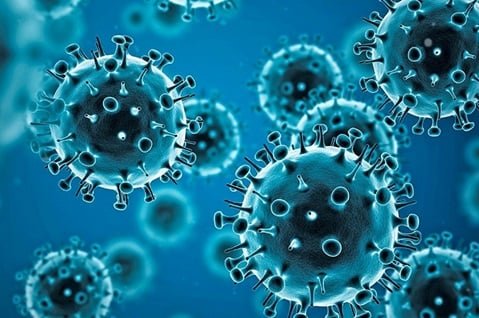
Mpox, formerly referred to as monkeypox, has recently come under scrutiny with the emergence of Clade I, a variant detected in the United States. Clade I mpox is a distinct genetic variant of the mpox virus, which belongs to the Orthopoxvirus family. Although this clade has seen in different parts of the world. Its recent emergence in the US has raised significant concern among health officials. Classifying viruses into clades allows researchers to follow their evolution and dispersal, leading to better control strategies. Understanding Clade I is vital, as it could behave differently in terms of how easily it spreads or the severity of the cases it causes compared to other strains.
You may also like –

The detection of Clade I mpox in the US has led to intense research efforts and monitoring activities. Health officials report that cases linked to both international travel and community transmission. The Centers for Disease Control and Prevention (CDC) is actively looking into these incidents to better understand the characteristics and potential risks associated with this variant. The rise of Clade I underscores the urgent need for ongoing monitoring and public health readiness to prevent the virus from spreading.
Signs and Symptoms of Clade I Mpox
It’s crucial to recognize the signs and symptoms of Clade I mpox for early detection and intervention. Symptoms usually surface between 5 to 21 days after exposure and can include fever, chills, fatigue, and swollen lymph nodes. A distinctive rash typically follows, starting as flat spots, evolving into raised bumps, and ultimately forming scabs. Being aware of these symptoms is especially important for those who may have been around infected individuals or in potentially affected areas.
Transmission and Risk Factors
Clade I mpox is mainly spread through direct contact with an infected person or animal and via contaminated surfaces. Understanding how transmission works is key to evaluating personal risk. Close physical contact, including sexual activity, can heighten the chances of infection. Those with weakened immune systems may also face a greater risk of serious illness. Public health campaigns stress the importance of adopting safe behaviors to lessen these risks.
The rise of Clade I mpox has sparked a strong public health response. Health authorities are ramping up awareness and educational efforts to inform the public about the virus. Strategies for vaccination explored specifically for those more likely to exposed. The CDC is collaborating closely with healthcare providers to make sure they can identify and treat potential cases efficiently.
Raising public awareness and providing education are crucial in controlling Clade I mpox’s spread. By informing communities about the signs, symptoms, transmission routes, and prevention strategies, health officials hope to empower people to take proactive measures. This includes seeking medical help if symptoms appear and reporting suspected exposures. Engaging the community is vital for fostering a unified response to this outbreak.
Read Also – AIIMS Discovers New Drug Combo to Control Hypertension More Effectively
The discovery of Clade I mpox in the U.S. serves as a reminder of the importance of awareness, early diagnosis, and preventive measures. Recognizing the symptoms and taking immediate action can help control its spread and minimize health risks.













Leave a comment