


What is Cholesterol?
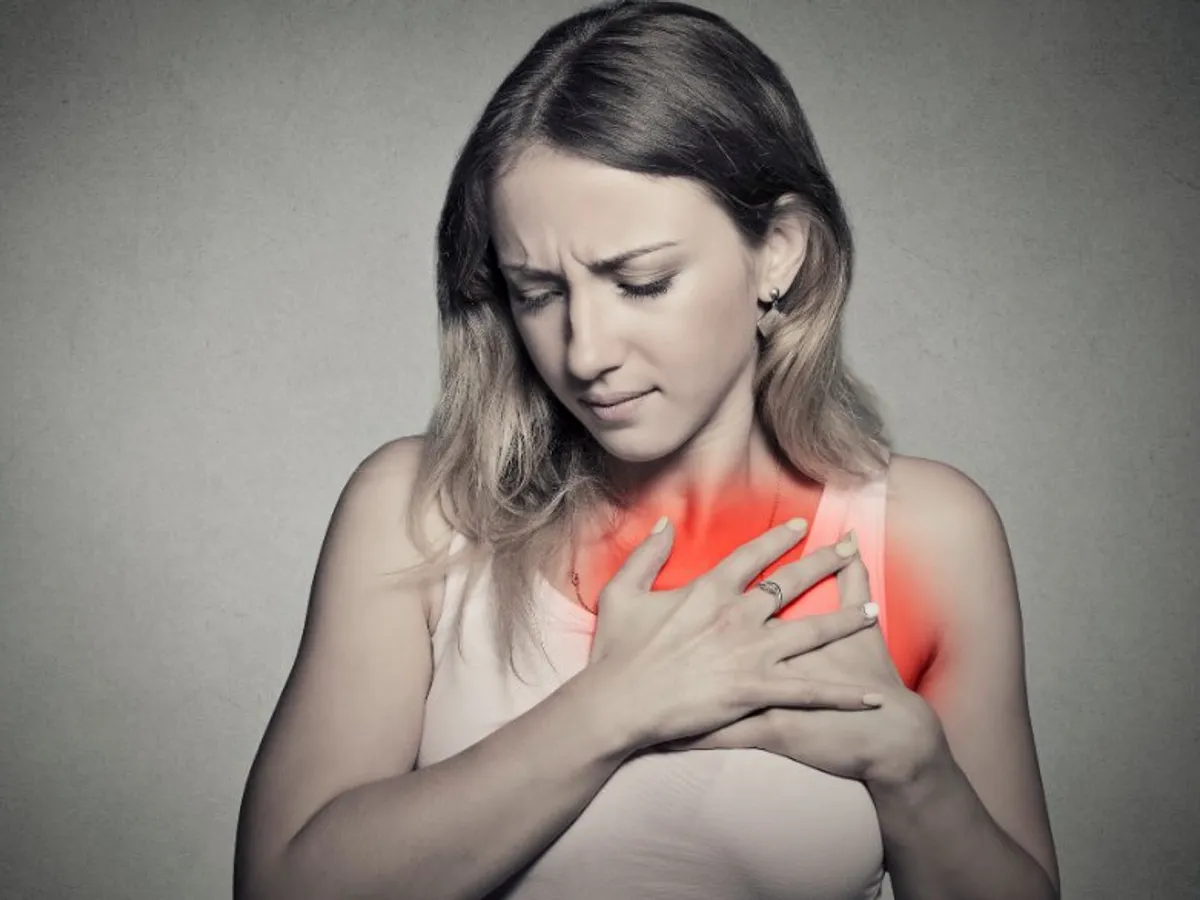
A waxy, fat-like material called cholesterol can be found in both your body’s cells and the food you eat. It is necessary for hormone production, the synthesis of cell membranes, and the processing of fat-soluble vitamins. On the other hand, high blood cholesterol raises the risk of heart disease and stroke.
Several factors can contribute to high cholesterol levels:
- Diet: Eating too much red meat, full-fat dairy products, baked goods, fried foods, and saturated and Tran’s fats can raise LDL cholesterol levels.
- Absence of exercise: Inactivity lowers HDL cholesterol levels and increases LDL cholesterol levels by causing weight gain.
- Obesity: Being obese or overweight can lead to a drop in HDL cholesterol and an increase in LDL cholesterol.
- Smoking: Smoking weakens the artery walls in your body, increasing the risk of fatty deposits, particularly cholesterol, accumulating there.
- Genetics: A major determinant of cholesterol levels is family history. Certain individuals are born with genes that result in elevated cholesterol levels.
- Gender and age: Men usually have higher cholesterol than women who are not yet menopausal, and cholesterol levels tend to grow with age.
Beyond heart disease and stroke, high cholesterol can be a contributing factor in a number of other health issues. Other conditions linked to elevated cholesterol levels include:
- PAD: Peripheral artery disease: High cholesterol can cause plaque to accumulate in the arteries supplying blood to your limbs, especially your legs. This may lead to PAD, which manifests as weakness, numbness, and discomfort in the legs.
- Atherosclerosis: The accumulation of plaque in the arteries, known as atherosclerosis, can happen anywhere in the body. Reduced blood flow to different organs and tissues as a result of this condition can raise the chance of developing chronic renal disease, coronary artery disease, and carotid artery disease.
- Xanthomas: Fatty deposits called xanthomas build up beneath the skin, usually in the area surrounding the eyes, tendons, and joints. These deposits may indicate excessive cholesterol or underlying lipid problems.
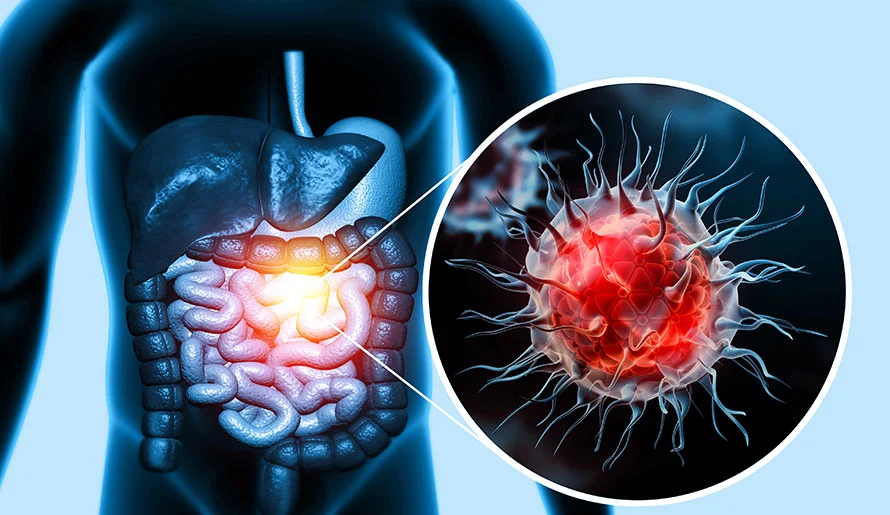
- Gallstones: Hardened deposits in the gallbladder, gallstones can be formed as a result of high cholesterol. In addition to other digestive issues, gallstones can induce nausea, vomiting, and abdominal pain.
- Non-alcoholic fatty liver disease (NAFLD): This ailment is characterized by the buildup of fat in the liver and is brought on by high cholesterol. Non-alcoholic steatohepatitis (NASH) and cirrhosis are two more serious liver diseases that can develop from NAFLD in certain situations.
- Pancreatitis: Triglycerides are a form of fat that are present in high blood levels that can raise the risk of pancreatitis, or inflammation of the pancreas. Severe stomach pain, nausea, vomiting, and other symptoms are possible outcomes of pancreatitis.
- Stroke: Although plaque accumulation in the brain’s blood vessels is frequently linked to stroke, high cholesterol, especially high LDL cholesterol, can raise the risk of stroke by causing blood clots to develop or blood vessels to burst.
In order to control cholesterol levels, one must lead a healthy lifestyle that includes eating a balanced diet low in trans and saturated fats, exercising frequently, keeping a healthy weight, quitting smoking, and, in certain situations, taking prescription drugs from a doctor. Frequent examinations for cholesterol can help track levels and spot any possible problems early on.












Leave a comment