

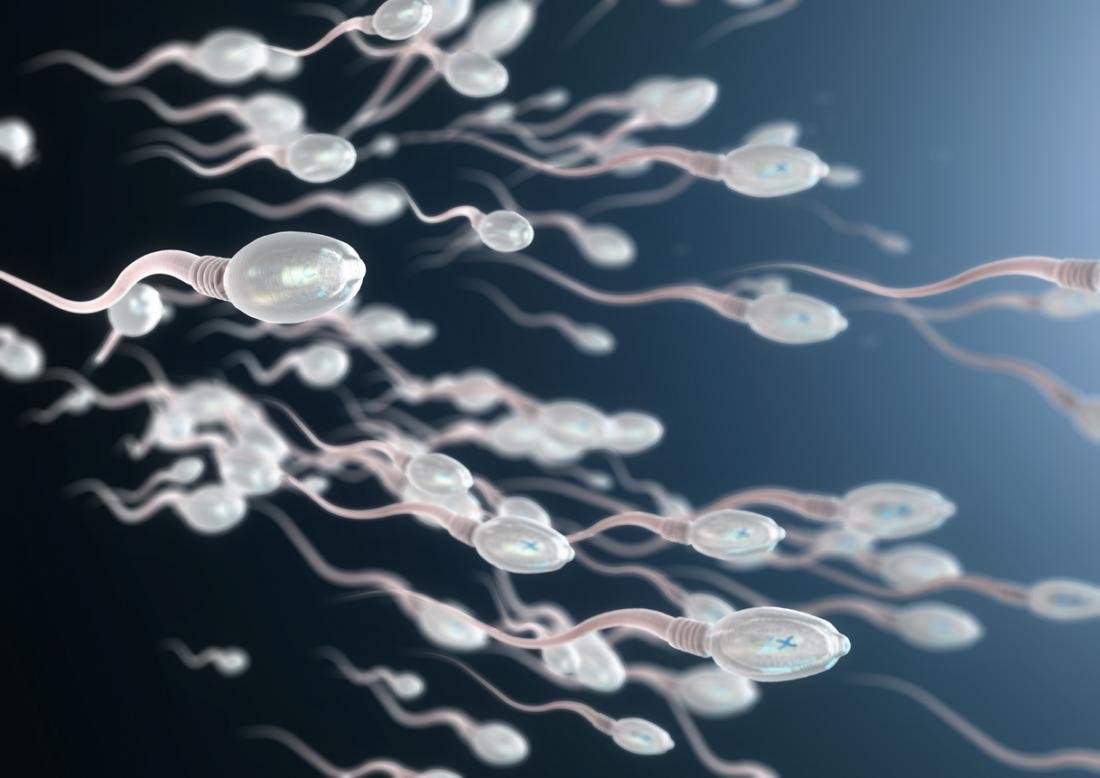
New Delhi, 29 August 2025: Emerging clinical evidence reveals a disturbing link between ultra-processed food (UPF) consumption and reproductive health issues in men. While these foods are already known to increase the risk of obesity and chronic disease, new research shows that they may also disrupt sex hormone levels and diminish sperm quality—even when caloric intake is kept the same.
The Study at a Glance
In a controlled trial, healthy men between the ages of 20 and 35 were monitored under two dietary conditions: one with ultra-processed foods and the other with minimally processed foods. Both diets were matched for calories, protein, fats, and carbohydrates. Despite equal energy intake, men on the ultra-processed diet experienced hormonal changes and adverse effects on sperm-related indicators.
What Was Found
1. Weight Gain Without Extra Calories
Participants on the ultra-processed diet gained more fat mass compared to when they were on the unprocessed diet. This suggests that calorie content alone does not tell the full story—food quality matters.
2. Hormonal Imbalance
Men consuming ultra-processed foods showed reduced levels of testosterone and follicle-stimulating hormone (FSH)—both essential for male fertility. Elevated levels of certain hormone-disrupting chemicals were also detected, believed to be introduced through food packaging and additives.
3. Declining Sperm Quality
Although the trial primarily measured hormonal shifts, existing scientific findings suggest that diets high in processed foods are associated with lower sperm count, concentration, and motility. Men with healthier, whole-food diets consistently show better reproductive health metrics.
Why Ultra-Processed Foods Are Harmful
Ultra-processed foods are not just lacking in nutrition—they actively contain harmful elements that impact health:
- Endocrine Disruptors: Many UPFs are packaged in plastics that leach chemicals like phthalates into the food. These compounds mimic hormones and interfere with the body’s natural hormonal balance.
- Nutrient Deficiency: Despite being calorie-dense, UPFs are poor in essential nutrients like zinc, omega-3 fatty acids, and antioxidants—all of which support hormone production and sperm development.
- Metabolic Stress: These foods often trigger inflammation, insulin resistance, and fat gain, which can suppress healthy hormone levels and reduce sperm viability.
It’s Not Just a Male Problem
While much of the research has focused on male fertility, high intake of ultra-processed foods has also been linked to ovulatory dysfunction and infertility in women. The same hormone-disrupting chemicals and poor nutrient profiles affect female reproductive health, increasing the likelihood of menstrual irregularities, hormonal imbalance, and lower chances of conception.
The Bigger Picture: Long-Term Consequences
- Fertility Decline: Reproductive health is on the decline globally, and poor dietary habits could be a major driver.
- Epigenetic Changes: Some studies suggest that the effects of UPF-rich diets may extend to future generations, with changes in gene expression that could affect offspring.
- Hormonal Health in General: Beyond fertility, disrupted hormones can influence mood, metabolism, immune function, and even the risk of hormone-related cancers.
What You Can Do
1. Switch to Whole Foods
Focus on natural, unprocessed foods—fruits, vegetables, legumes, nuts, seeds, lean proteins, and whole grains. These foods provide the nutrients your body needs to maintain hormonal balance.
2. Avoid Packaged and Processed Snacks
Steer clear of ready-to-eat meals, sugary drinks, processed meats, and packaged snacks. While convenient, they contain artificial flavors, preservatives, and harmful fats that do more harm than good.
3. Protect Yourself from Hormone Disruptors
Limit the use of plastic containers and avoid microwaving food in plastic. Look for food-grade, BPA-free packaging when possible.
4. Adopt a Fertility-Friendly Diet
Patterns like the Mediterranean diet—rich in omega-3s, fiber, antioxidants, and healthy fats—are linked with improved reproductive function and lower inflammation.
5. Exercise and Lifestyle Matter Too
Stay active, reduce stress, get quality sleep, and avoid smoking and excess alcohol. A holistic approach improves overall hormonal health and boosts fertility outcomes.
| Area Affected | Result of Ultra-Processed Diet |
|---|---|
| Body Composition | Increased fat mass without extra calories |
| Sex Hormones | Decreased testosterone and FSH |
| Sperm Health | Lower count, motility, and quality (based on studies) |
| Hormone Disruptors | Elevated exposure to harmful chemicals |
| Female Fertility | Increased risk of hormonal imbalance and infertility |
What To Know For Safety
This isn’t just about avoiding junk food—it’s about protecting your hormonal and reproductive health. Even when you’re not overeating, the type of food you consume plays a massive role in how your body functions. Ultra-processed foods, often considered harmless for being calorie-controlled or low-fat, can be silently damaging your body’s most sensitive systems.
The science is clear: your body knows the difference between real food and chemically engineered alternatives. Choosing whole, unprocessed foods doesn’t just support better fertility—it supports better living.











Leave a comment