

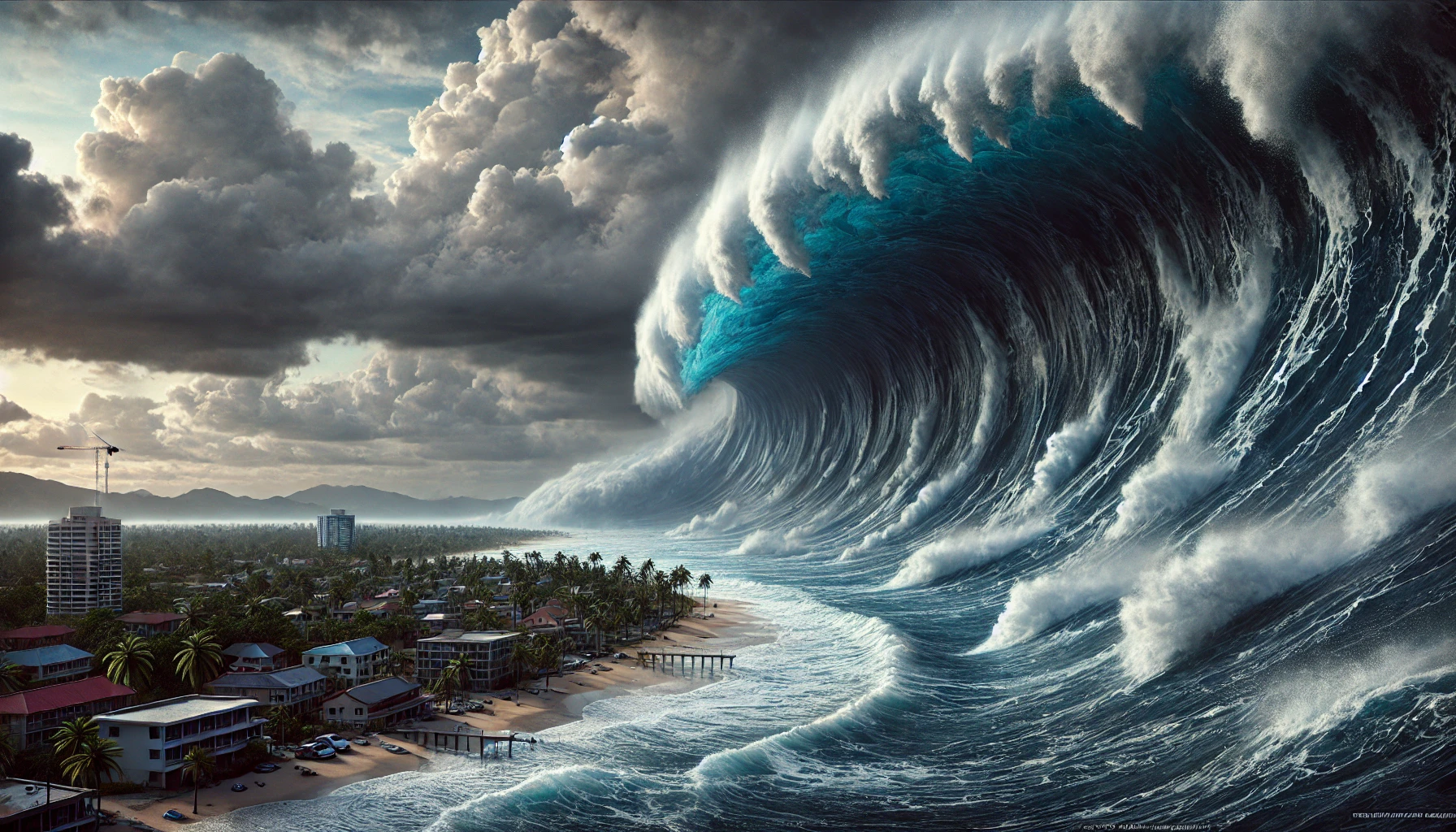
New Delhi, 30 July 2025: In the wake of a powerful undersea earthquake, both Russia and Japan have issued tsunami warnings, sparking widespread concern and emergency evacuations along coastal regions. As natural disasters like tsunamis can strike suddenly and with immense force, knowing how to protect your health and safety is absolutely critical—not just during the event, but also before and after.
Whether you live in a tsunami-prone zone or are currently traveling in affected areas, here are essential health precautions you must follow to minimise the risk of injury, infection, or trauma during a natural disaster.
Stay Informed and Alert
Your first line of protection is accurate, real-time information.
- Keep a battery-powered radio or phone on hand for emergency alerts.
- Follow updates from local meteorological agencies and disaster response teams.
- Pay attention to tsunami sirens, text alerts, or any government announcements urging evacuation.
Evacuate Safely, Not Hastily
If authorities urge evacuation:
- Leave low-lying coastal areas immediately.
- Don’t wait to “see” the wave—tsunamis can travel at speeds of up to 800 km/h.
- Head to higher ground or a designated safe zone at least 3 km inland or 30 metres above sea level.
- Pack a go-bag with essential medical supplies, water, dry food, torch, whistle, first aid kit, and important documents.
Protect Yourself from Waterborne Diseases
Floodwaters during tsunamis often carry sewage, debris, and chemicals, making them highly toxic.
To protect your health:
- Avoid direct contact with floodwaters.
- Disinfect all cuts and wounds immediately—even a small scratch can lead to infection.
- Drink only boiled or bottled water.
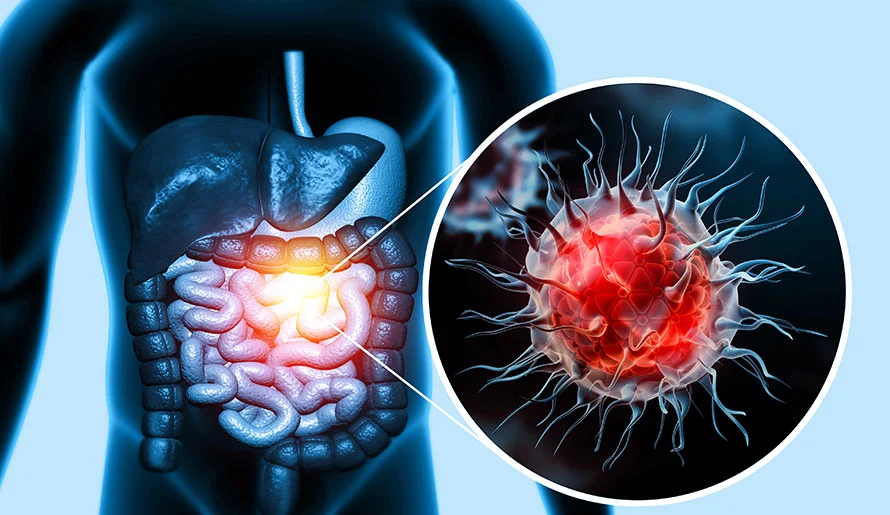
- Watch out for symptoms like fever, diarrhoea, or skin infections in the days after exposure.
Mental Health Support Is Crucial
Natural disasters are not just physically damaging—they are mentally traumatic.
- It’s normal to feel fear, anxiety, or disorientation.
- Stay connected with loved ones.
- Talk to a mental health professional if feelings of panic or sadness persist.
- Help children process the event gently through reassurance and routine.
Common Health Risks After a Tsunami
Even after the water recedes, serious health risks remain, including:
- Leptospirosis and cholera from contaminated water
- Respiratory infections due to crowded shelters and damp conditions
- Injury infections from untreated wounds
- Hypothermia in cold or wet conditions
As the tsunami warnings unfold across Russia and Japan, staying calm, informed, and prepared is the key to survival. Take immediate action to protect yourself and your family. And even if you’re far from the coast, use this as a wake-up call to plan ahead—natural disasters give little to no warning, but preparation can save lives.











Leave a comment