

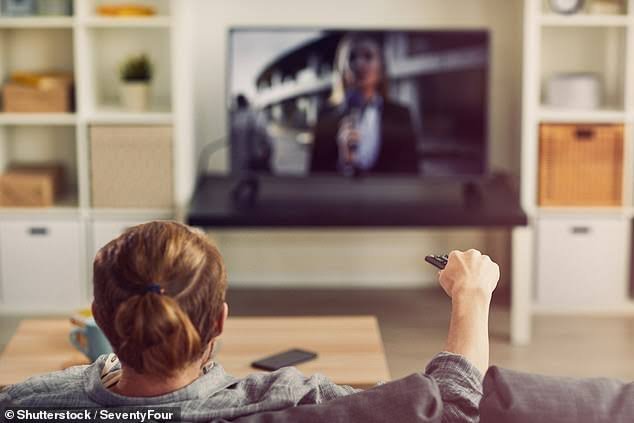
Too much of anything is bad just as too little. In this fast-paced world, where people are constantly being reminded to find “me time” or slow down from work for a better sense of well-being, a recent study has linked “too much free time” to be also bad for mental health.
“Leisure time or idle time can be defined as non-productive time, where a person is typically surfing the net or scrolling through social media platforms or watching too much TV in free time. A recent study including more than 35,000 participants show that 2 to 3.5 hours of leisure time every day is good enough for a person. However extra free time, more than 5 hours a day can have a negative impact on emotional health. It can make a person feel unhappy and less productive” further elaborated Dr Satish Kumar, Consultant – Clinical Psychologist, Manipal Hospitals, Old Airport Road, Bangalore.
Why is too much idle time bad for health?
The importance of emotional health in one’s life cannot be overlooked. Good emotional health not only help to avoid several health problems, such as heart diseases, gastric problems, frequent burnouts, etc it also helps us to build meaningful relationships, maintain a good social life and improve productivity at work.
A person with a balanced work-life balance is more likely to be happier and more productive as compared to an idle or stressed-out person. There are many instances where we see a very busy and stressed-outperson desperately seeking to retire or go on long vacation only to make him/her feel very depressed, lonely and lost after a few days of idleness.
A study published in BMC Public Health also suggests that too much idle time can lead to anxiety, depression, poor memory, loss of concentration etc. Too much idle time also reduces physical activity levels promoting obesity and heart disease risk. “Anxiety and depression can lead to a host of other complications such as eating disorders, sleep disorders, poor self-esteem, etc ultimately impacting one’s quality of life” explained Dr Satish Kumar, Consultant – Clinical Psychologist, Manipal Hospitals, Old Airport Road, Bangalore.
Thus, striking a balance is important in today’s world.
Making idle time more productive
Here are a few tips to help you make your idle time more productive
• Plan your day a night before: It is always better to have a schedule ahead of you every day to strike a perfect balance between work and idleness. Keep a diary and note down things you plan to do daily to help you be more productive and limit idle time for 2-3 hours each day
• Turn idle time into an opportunity to learn something new: The idea is to do something very different from your usual daily work that helps your mind to unwind and explore new things at the same time. Take up a hobby, join a music class, meditation, read a book, spend time teaching your kid new skill, grow food in your home balcony, take up volunteering work for a charity or anything that helps you to feel accomplished and happy
• Engage in household chores: Instead of spending too much time idling on a not-so-busy day, engaging yourself in doing laundry, cooking, dusting, cleaning the cupboard while listening to your favourite music can help you feel purposeful and relaxed at the same time
• Engage in physical activity: Exercising, playing a sport, swimming, jogging, taking a stroll with your neighbourhood friends, pets or your partner not only helps to release happy hormones to uplift your mood but is also good for your overall physical well-being. Physical activity cuts down the risk of lifestyle diseases, such as diabetes, obesity, hypertension, cancer, etc.
• Spend time with family and friends: Cook meals together or play a game together with family to bond. Catch up with an old friend or share your concerns with a close one to make perfect use of your idle time.
• Limit your time with smart gadgets: Avoid using smart devices for your daily jobs like switch on lights, TV and others. They are limiting the use of your grey cells and making you lethargic and dependant.
Take a break from social media or stop going back multiple times a day checking for updates. Avoid checking your phone the first thing in the morning and the middle of the night and whenever feeling bored. Trying to keep the phone away especially at night while sleeping.
Socialising and making friends and talking to people in real life can be very beneficial. Technology detoxification is about logging out of social media and living in real life to the fullest experience in every moment.
















Leave a comment