


Fatty liver disease is becoming a growing concern worldwide, affecting millions of people without them even realizing it. Often linked to lifestyle choices, this condition can lead to serious health complications if left untreated. Understanding the symptoms and available treatment options is crucial for managing this silent but potentially deadly disease.
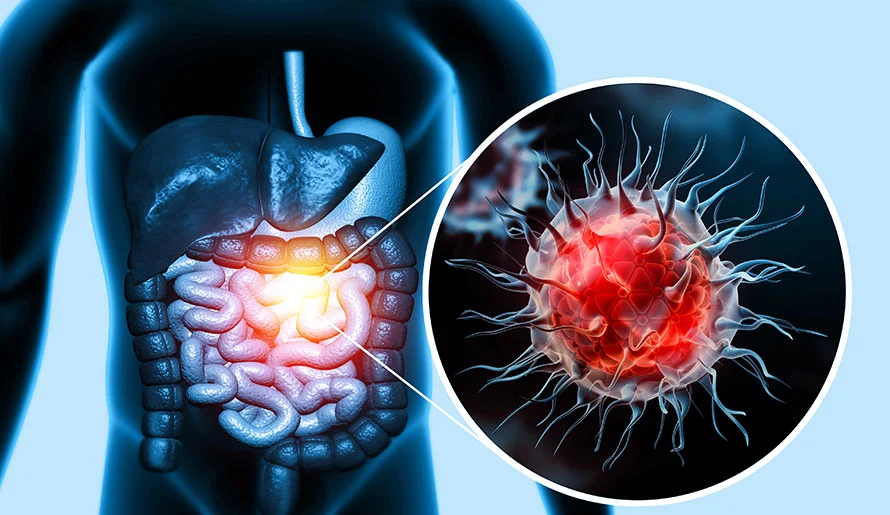
Fatty liver disease, or hepatic steatosis, occurs when too much fat builds up in the liver. This can happen due to excessive alcohol consumption, known as alcoholic fatty liver disease (AFLD), or other factors like obesity, diabetes, and poor diet, which cause non-alcoholic fatty liver disease (NAFLD). The latter is more common and can progress to more severe conditions such as non-alcoholic steatohepatitis (NASH), liver fibrosis, and even cirrhosis.
Symptoms to Watch For
One of the challenging aspects of fatty liver disease is that it often presents no symptoms in its early stages. As the condition progresses, individuals might start noticing:
Fatigue: Persistent tiredness and lack of energy.
Abdominal Discomfort: Mild pain or discomfort in the upper right side of the abdomen.
Weight Loss: Unexplained and unintended weight loss.
Weakness: General weakness that isn’t linked to other health issues.
Jaundice: Yellowing of the skin and eyes in severe cases.
Swelling: Swelling in the legs and abdomen due to fluid build-up.
Risk Factors
Certain factors increase the risk of developing fatty liver disease. These include:
Obesity: Excess body weight, especially around the abdomen.
Type 2 Diabetes: High blood sugar levels can contribute to fat accumulation in the liver.
High Cholesterol: Elevated levels of fats in the blood.
Metabolic Syndrome: A cluster of conditions that increase the risk of heart disease and diabetes.
Poor Diet: High intake of processed foods, sugars, and unhealthy fats.
Sedentary Lifestyle: Lack of physical activity.
Diagnosis
Diagnosing fatty liver disease usually involves a combination of medical history, physical examination, and several tests, such as:
Blood Tests: Checking for liver enzymes that indicate liver damage.
Imaging Tests: Ultrasound, CT scans, or MRI to detect fat accumulation in the liver.
Liver Biopsy: A small sample of liver tissue is taken to confirm the diagnosis and assess the extent of liver damage.
Treatment Options
While there is no specific medication for fatty liver disease, lifestyle changes play a crucial role in managing and even reversing the condition. Here are some effective treatment options:
Dietary Changes:
Healthy Eating: Focus on a balanced diet rich in fruits, vegetables, whole grains, and lean proteins.
Reduce Sugar and Fat Intake: Limit foods high in added sugars, saturated fats, and trans fats.
Portion Control: Eat smaller, more frequent meals to manage weight and reduce liver stress.
Physical Activity:
Regular Exercise: Aim for at least 30 minutes of moderate exercise, such as walking or cycling, most days of the week.
Strength Training: Incorporate strength training exercises to build muscle and improve metabolism.
Weight Loss:
Gradual Weight Loss: Aim to lose 1-2 pounds per week to avoid stressing the liver.
Medical Supervision: Consider professional guidance for a safe and effective weight loss plan.
Medication:
Manage Underlying Conditions: Control diabetes, cholesterol, and triglyceride levels with appropriate medications.
Vitamin E: In some cases, vitamin E supplements may help reduce liver inflammation in non-diabetic patients.
Regular Monitoring:
Follow-Up Visits: Regular check-ups with your healthcare provider to monitor liver health and make necessary adjustments to your treatment plan.
Prevention
Preventing fatty liver disease involves maintaining a healthy lifestyle. Eating a nutritious diet, engaging in regular physical activity, maintaining a healthy weight, and avoiding excessive alcohol consumption are key preventive measures. Regular health check-ups can also help detect any early signs of liver issues, allowing for timely intervention.
Fatty liver disease is a significant health issue that requires attention and proactive management. By understanding the symptoms, risk factors, and treatment options, individuals can take steps to protect their liver health and overall well-being. Adopting a healthy lifestyle is the most effective way to prevent and manage this condition, ensuring a better quality of life.











Leave a comment