

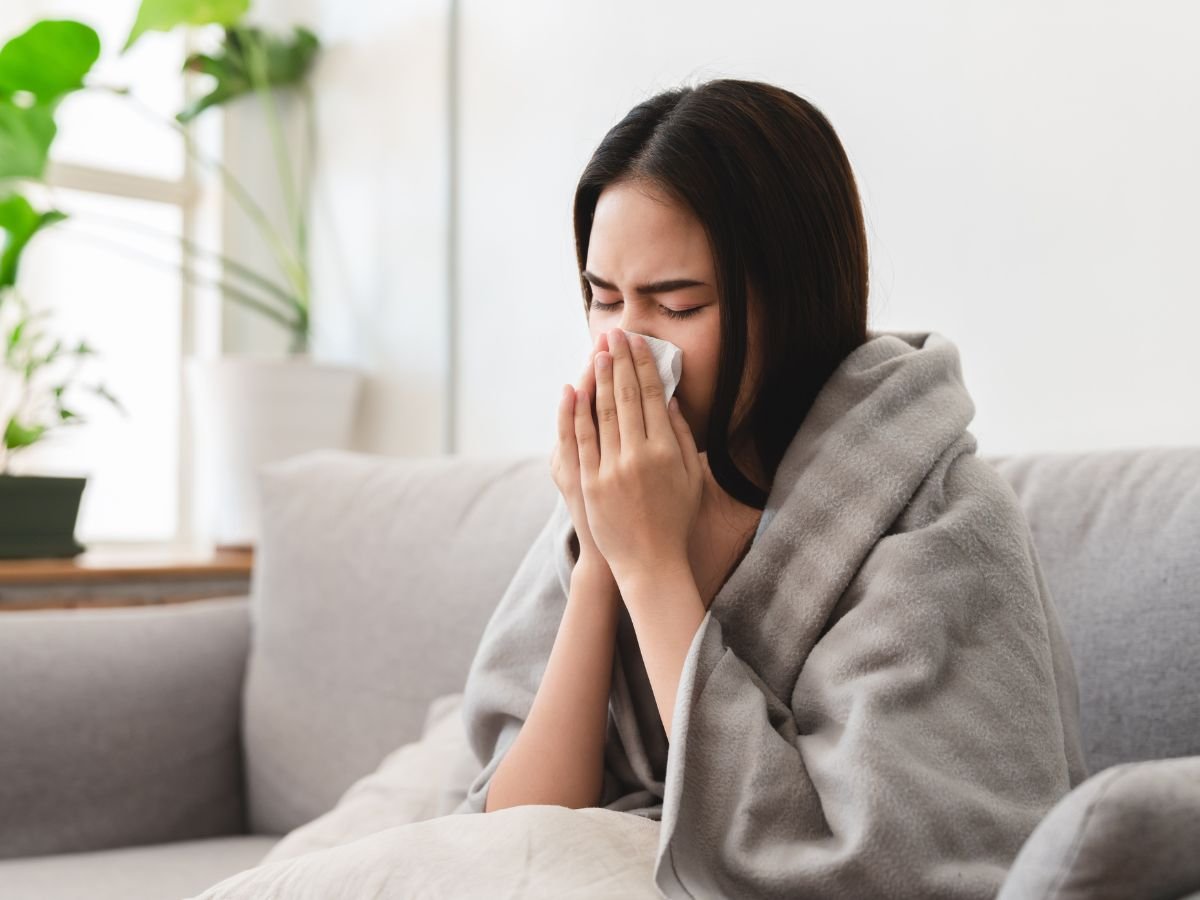
Seasonal allergies can be a real challenge, with symptoms like sneezing, runny noses, and itchy eyes making life uncomfortable. While many factors contribute to these symptoms, humidity plays a significant role in how intense allergies can be. Let’s explore the connection between humidity and seasonal allergies and how to manage them effectively.
How Humidity Affects Allergies
Humidity, or the amount of moisture in the air, can either exacerbate or alleviate allergy symptoms. High humidity levels create a perfect environment for mold and dust mites to thrive. Mold spores, in particular, are a common allergen and can trigger symptoms such as sneezing, coughing, and nasal congestion. Dust mites, which live in humid environments, can also cause similar allergic reactions.
On the other hand, low humidity can dry out the nasal passages and skin, making them more susceptible to irritation. This dryness can lead to an increased risk of respiratory infections and worsen symptoms for those with asthma or chronic bronchitis.
The Ideal Humidity Level
Maintaining an indoor humidity level between 30% and 50% is ideal for minimizing allergy symptoms. Too high or too low humidity can lead to discomfort and increased allergic reactions. Using a hygrometer to monitor indoor humidity levels can help you keep your home environment comfortable and allergy-friendly.
Tips for Managing Allergies in High Humidity
1. Use a Dehumidifier:
Dehumidifiers can help reduce indoor humidity levels, making your home less hospitable to mold and dust mites.
2. Ventilate Your Home:
Proper ventilation, especially in areas like the bathroom and kitchen, can help control moisture levels and prevent mold growth.
3. Clean Regularly:
Frequent cleaning reduces dust and mold buildup. Use a vacuum with a HEPA filter to capture allergens effectively.
4. Keep Windows Closed:
During high humidity periods, keep windows closed to prevent moist air from entering your home.
Tips for Managing Allergies in Low Humidity
1. Use a Humidifier:
Humidifiers add moisture to the air, preventing dryness in your nasal passages and skin.
2. Stay Hydrated:
Drinking plenty of water helps maintain moisture in your body and can alleviate some allergy symptoms.
3. Use Saline Nasal Sprays:
These sprays can help keep your nasal passages moist and reduce irritation.
4. Moisturize Your Skin to cure Allergies :
Regularly applying moisturizer can prevent skin dryness and irritation caused by low humidity.
Read Also – Top Skincare Products Every Man Should Own
Understanding the connection between humidity and seasonal allergies can help you manage your symptoms more effectively. By maintaining an optimal humidity level and taking preventive measures, you can create a more comfortable living environment and reduce the impact of allergies on your daily life. Stay proactive and enjoy the seasonal changes with fewer allergy woes.















Leave a comment