

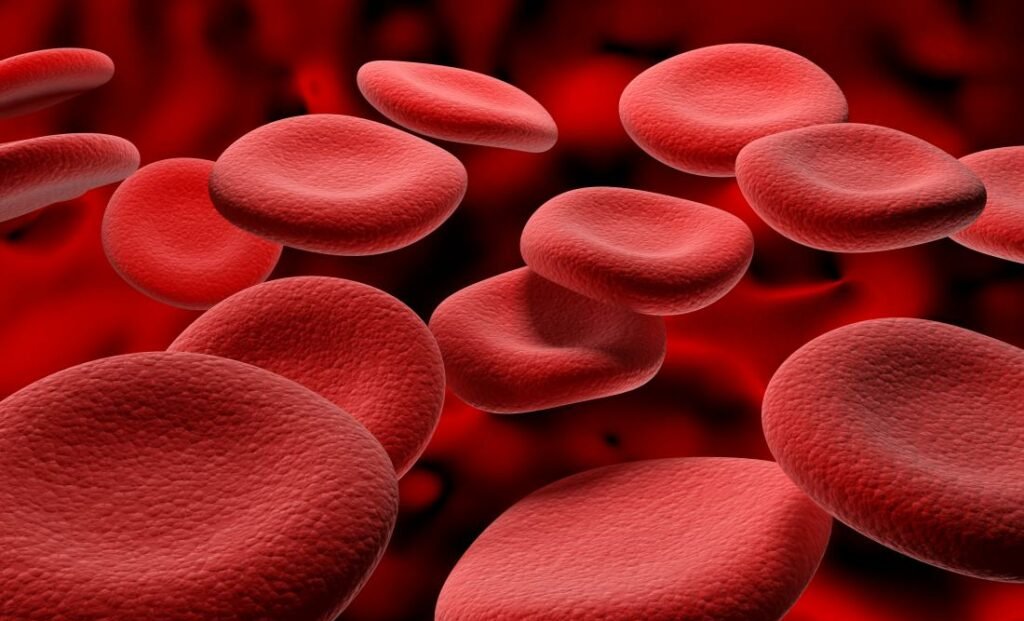
Thalassemia is a genetic blood disorder that affects the production of hemoglobin, the protein in red blood cells that carries oxygen throughout the body. In India, thalassemia has emerged as a growing health concern, second only to tuberculosis (TB). While TB continues to be a major public health issue, thalassemia is quietly spreading, affecting thousands of families across the country. The rising number of cases and the lack of awareness make it imperative to focus on this condition.
The Impact of Thalassemia in India
India has one of the highest burdens of thalassemia in the world. According to the Indian Council of Medical Research (ICMR), around 10,000 to 12,000 babies are born with thalassemia major every year in India. The prevalence of carriers (people who carry the gene but do not show symptoms) is also high, with an estimated 3-4% of the Indian population being carriers. This translates to approximately 42 million people at risk of passing the disorder to their children.
The financial and emotional toll on families with thalassemia patients is immense. Treatment typically involves regular blood transfusions and iron chelation therapy to remove excess iron from the body. These treatments are not only expensive but also require lifelong commitment. Many families struggle to afford the cost, leading to inadequate care and a decreased quality of life for the patients.
Challenges in Managing Thalassemia
One of the biggest challenges in managing thalassemia in India is the lack of awareness. Many people, especially in rural areas, are unaware of the condition and its genetic nature. This leads to marriages between two carriers, increasing the risk of having a child with thalassemia major. Premarital screening and genetic counseling are crucial but not widely practiced due to cultural and social barriers.
Another challenge is the limited availability of treatment facilities. While some urban areas have access to advanced medical care, many rural regions lack the necessary infrastructure. Blood banks, essential for regular transfusions, are often understocked, and the quality of care can vary significantly depending on the location.
Moreover, there is a stigma associated with genetic disorders in many parts of India. Families with thalassemia patients often face discrimination, making it difficult for them to seek help and support. This stigma further hampers awareness efforts and prevents people from getting tested or treated.
Government Initiatives and the Way Forward
The Indian government has recognized the growing threat of thalassemia and has taken steps to address it. The National Health Mission (NHM) includes programs aimed at controlling and preventing thalassemia. These programs focus on screening, early diagnosis, and providing treatment to those affected.
One of the key strategies is to increase awareness about thalassemia, particularly in high-risk communities. Educational campaigns and community outreach programs are essential to inform people about the importance of genetic screening and counseling. Schools and colleges can play a vital role in spreading this awareness among the younger generation.
Another important initiative is to improve the availability and quality of treatment. The government is working to strengthen the network of blood banks and ensure that patients have access to safe and sufficient blood supplies. Efforts are also being made to provide financial support to families affected by thalassemia, helping them manage the cost of treatment.
Thalassemia is a growing concern in India, but with increased awareness and better management, it is possible to reduce its impact. Understanding the genetic nature of the disorder, promoting premarital screening, and improving access to treatment are essential steps in combating thalassemia. As the country continues its fight against TB, it is crucial not to overlook other emerging health challenges like thalassemia. By raising awareness and taking proactive measures, India can better support those affected and prevent the spread of this genetic disorder.














Leave a comment