


New Delhi, September 03: People who are taller are at greater risk of developing cancer, a recent study has revealed. The World Cancer Research Fund has stated that there is strong evidence taller people have a higher chance of of developing cancer. But why? Here’s what we know, don’t know and suspect.
Why are tall people more likely to get cancer?
The relationship between height and health has long been a subject of scientific inquiry. While taller individuals often enjoy certain advantages, such as increased athletic prowess and a more commanding presence, recent studies have revealed a less desirable correlation: taller people may be at a higher risk of developing certain types of cancer. This article delves into the reasons behind this association, exploring the biological factors and lifestyle implications for taller individuals.
The Height-Cancer Connection
Multiple studies have consistently linked taller stature to an increased risk of developing several types of cancer, including:
- Breast cancer: Taller women have a slightly higher risk of developing pre- and post-menopausal breast cancer.
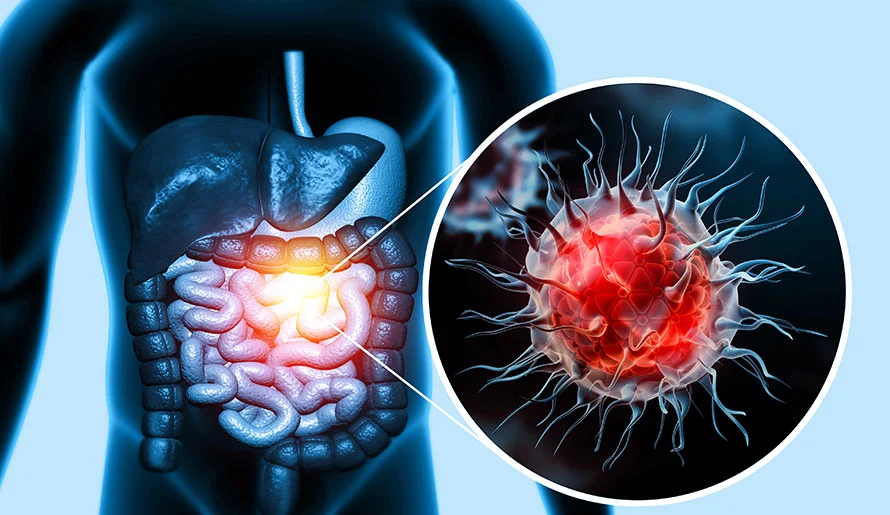
- Colon and rectal cancer: Height has been shown to correlate with an increased risk of colorectal cancer.
- Pancreatic cancer: Taller individuals, both men and women, have a higher likelihood of developing pancreatic cancer.
- Prostate cancer: Taller men are at a slightly elevated risk of prostate cancer.
- Kidney cancer: Height is associated with an increased risk of kidney cancer.
- Ovarian cancer: Taller women may have a higher risk of ovarian cancer.
Understanding the Biological Factors
While the exact mechanisms linking height to cancer risk are not fully understood, several biological factors may contribute to this association:
- Growth Factors and Hormones: Taller individuals often have higher levels of IGF-1, a hormone involved in growth and development. Elevated IGF-1 levels have been linked to an increased risk of certain cancers.
- Hormonal factors, such as estrogen and testosterone, may play a role in the height-cancer connection. Taller individuals may have different hormonal profiles that could influence their cancer risk.
- Cellular Growth and Division: Taller individuals may have more cells in their bodies, which could increase the chances of genetic mutations and cancer development.
The rate at which cells age and die (senescence) may be influenced by height. Delayed senescence could potentially increase the risk of cancer.
- Genetic Factors: Genetic factors that influence height may also be associated with an increased risk of certain cancers. However, more research is needed to fully understand the genetic underpinnings of this relationship.
Lifestyle Factors and Cancer Risk
While height is a biological factor that cannot be changed, lifestyle choices can also play a significant role in cancer risk. Taller individuals should be mindful of the following:
- Healthy diet: Consuming a balanced diet rich in fruits, vegetables, whole grains, and lean proteins can help reduce cancer risk.
- Regular exercise: Engaging in regular physical activity can help maintain a healthy weight and reduce inflammation, which may lower cancer risk.
- Weight management: Maintaining a healthy weight can help reduce the risk of several types of cancer, including those associated with height.
- Smoking cessation: Smoking is a major risk factor for many types of cancer and should be avoided at all costs.
- Sun protection: If you have fair skin or a history of sunburn, it’s important to protect yourself from excessive sun exposure to reduce the risk of skin cancer.
While taller individuals may be at a slightly elevated risk of certain cancers, it’s important to note that this risk is often relatively small. By adopting healthy lifestyle habits and seeking regular medical check-ups, taller individuals can significantly reduce their risk of developing cancer. It’s also essential to consult with a healthcare professional for personalized guidance and to address any concerns about your individual health.











Leave a comment