


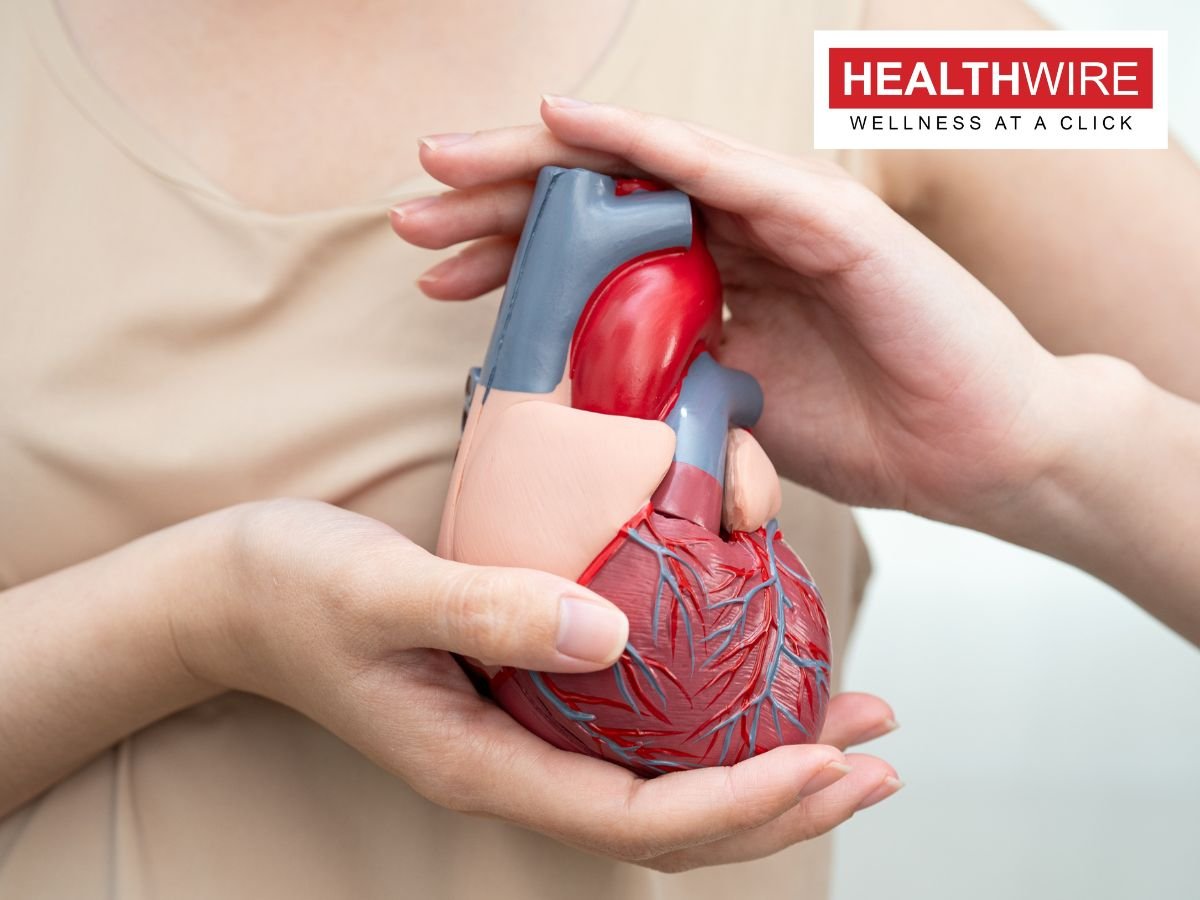
If we talk about the normal heart rate, in healthy adults the resting heart rate usually ranges between 60 and 100 beats per minute (bpm). However, if the heart rate consistently remains above 100 bpm even while resting, this condition is known as Tachycardia.
That said, the heart rate may temporarily increase if a person has recently exercised, performed strenuous physical activity, is experiencing emotional stress, or has consumed caffeine. In such cases, a short-term rise in heart rate is considered normal. But if none of these factors are present and the heart rate remains elevated, it may indicate an underlying health problem. In such situations, consulting a doctor becomes important.
Renowned interventional cardiologist Purshotam Lal, Director of Cardiology at Metro Group of Hospitals, has shared important insights on this condition, which are explained below.
What Causes an Increased Heart Rate?
There can be several reasons why the heart rate exceeds 100 beats per minute. One of the most common causes is stress and anxiety. When a person experiences emotional stress, the body activates the “fight-or-flight” response, releasing hormones that increase the heart rate.
Dehydration can also raise the heart rate. When the body lacks sufficient fluids, the heart must work harder to maintain blood circulation, which may lead to a faster heartbeat. However, dehydration itself does not directly cause a heart attack.
Other factors can also lead to a sudden increase in heart rate. For instance, excessive caffeine consumption or the use of certain stimulant medications can temporarily speed up the heartbeat.
In some cases, medical conditions such as Anemia, Thyroid Disorders, infections, or abnormal heart rhythms may also cause tachycardia. Unhealthy lifestyle habits such as smoking, lack of sleep, and insufficient physical activity can also contribute to a higher resting heart rate.
High Resting Heart Rate and Risk of Heart Problems
If the heart continues to beat rapidly even while resting, it may indicate that the heart is working harder than normal. Over time, this can place extra strain on the cardiovascular system. People with a consistently high resting heart rate may face a greater risk of heart-related conditions.
When the heart beats faster, it requires more oxygen and energy to function properly. Over time, this increased workload can contribute to issues such as High Blood Pressure, damage to the arteries, and reduced heart efficiency.
However, it is important to understand that an increased heart rate alone does not directly cause a Heart Attack. Instead, it may act as a warning sign that the heart is under stress or that another underlying health issue is affecting heart function.
When Should You Consult a Doctor?
If your heart rate remains above 100 bpm at rest, it should not be ignored—especially if it is accompanied by symptoms such as:
- dizziness
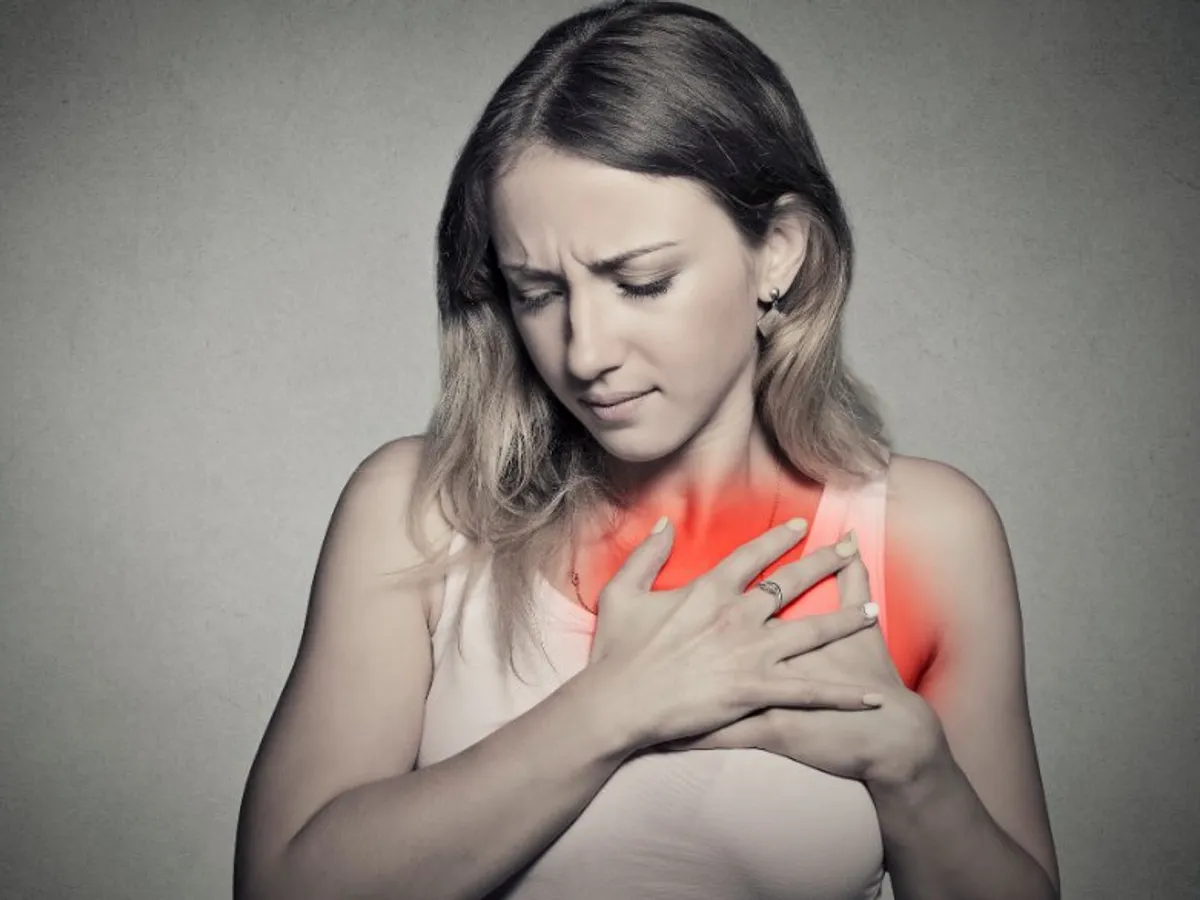
- chest discomfort
- shortness of breath
- extreme fatigue
- noticeable palpitations or rapid heartbeat
In such cases, medical consultation is necessary. To determine the exact cause and decide on the appropriate treatment, doctors may recommend tests such as an Electrocardiogram (ECG), blood tests, or continuous heart monitoring. These tests help assess the heart’s rhythm and overall functioning.
How to Maintain a Healthy Heart Rate
Maintaining a healthy lifestyle plays a crucial role in keeping the heart rate normal and supporting heart health.
Regular physical activity or exercise helps the heart function more efficiently. Practices such as meditation, yoga, and relaxation techniques can reduce stress and help maintain a balanced heart rate.
Additionally, staying well hydrated, consuming a balanced diet rich in nutrients, and getting adequate sleep are essential for heart health. These habits not only help regulate heart rate but also support the long-term health of the entire cardiovascular system – Dr. (Prof.) Purshotam Lal, Chairman – Interventional Cardiology | Metro Group
Disclaimer: Dear readers, this article provides general information and advice only. It should not be considered a substitute for professional medical consultation. For more information, always consult a qualified healthcare professional or your doctor.










Leave a comment