


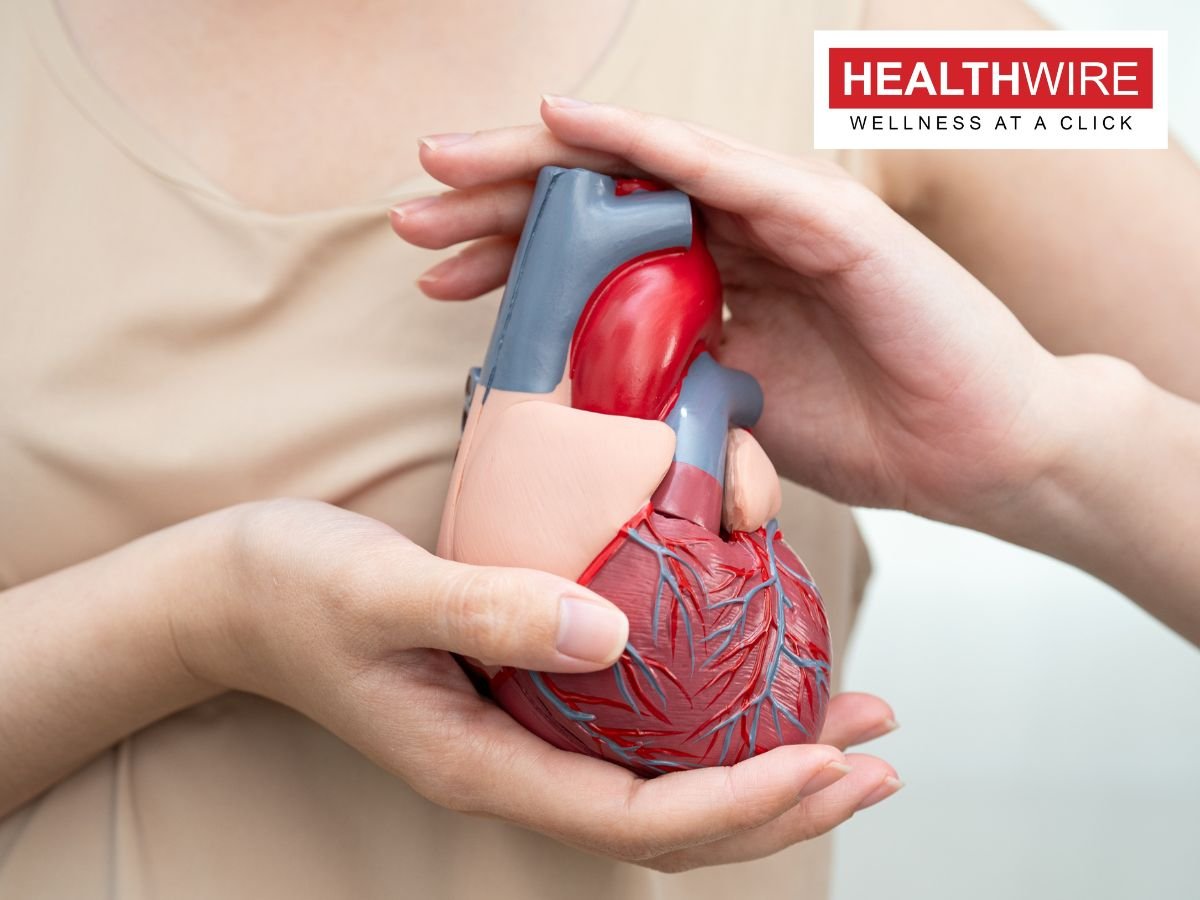
Heart rate is one of the most significant indicators of cardiovascular health, according to healthcare professionals the normal resting heart rate of most healthy adults ranges between 60 and 100 beats per minute (bpm). But when the heart consistently rises above 100 bpm while the body is still at rest the condition is considered as tachycardia. While an occasional spike can happen during exercise, emotional stressor or after consuming caffeine a persistent high resting heart rate may also indicate an underlying health concern that requires immediate medical attention.
What causes an elevated heart rate?
Many factors are responsible for heart rate exceeding 100 beats per minute. According to Dr. Purshotam Lal, Director – Interventional Cardiology and Chairman of Metro Group of Hospitals, most common triggers are usually stress and anxiety, as emotional stress activates the body fight or flight response ultimately leading to the release of hormones that increase the rate of heart.
He further notes that dehydration can also cause heart to work even more harder in order to maintain proper circulation. Excessive consumption of caffeine or stimulant based medications may temporarily elevate the rate of heart. In some cases, underlying medical conditions such as anemia, thyroid disorders, infections, or abnormalities in heart rhythm that can lead to tachycardia. Some lifestyle mainly including smoking, lack of sleep and sedentary behaviour may also contribute to an elevated resting heart rate.
Can a high resting heart rate increase heart attack risk?
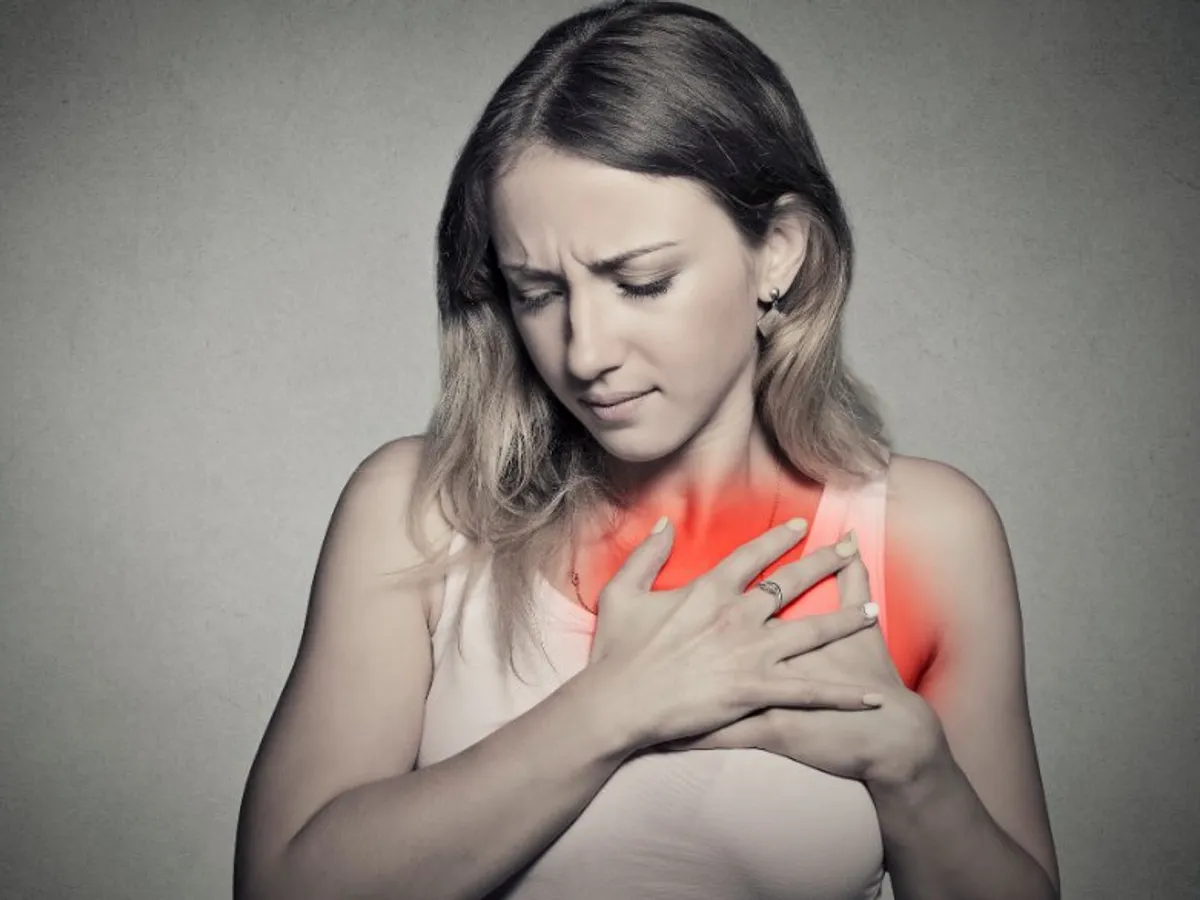
A consistently elevated heart rate also indicates that heart is working harder than normal which may also increase the long-term strain on the cardiovascular system. Individuals who have high resting heart rates may also have greater risk of developing cardiovascular diseases. When the heart beats in faster way, it requires more oxygen and energy to function in a effective way.
“This increase workload can also contribute to certain conditions such as high blood pressure, arterial damage, and reduced cardiac efficiency,” Dr. Lal explains. “However it is also significant to understand that a hear rate alone directly leads to heart attack rathe it may also serve as the warning signs that heart is under great stress or that there may be underlying health conditions affecting cardiovascular functioning.”
When should you seek medical advice?
The cardiologist advises that persistent resting heart rates which are above 100 bpm should not be left untreated if they are accompanied by certain symptoms such as dizziness, chest discomfort, shortness of breath, fatigue or palpitations. In some of the cases it is advisable to seek certain medical consultations to identify the underlying cause and determine appropriate medical treatment diagnostic test including an electrocardiogram (ECG), blood tests, or continuous heart monitoring are the best options.
Maintain a healthy heart rate
Maintaining a healthy lifestyle plays a very important role in supporting the optimal rate of heart and overall cardiovascular health as well. Dr. Lal recommends that regular physical activity can improve the efficiency of heart while the stress management techniques such as meditation or relaxation exercises can also help to regulate the rhythm of heart. Factors which are very much important in maintaining health of heart are mainly staying well hydrated, consuming a balanced diet rich in essential nutrients, and ensuring adequate sleep.
This content is only for informational purposes. It is not at all professional medical advice. Always consult your doctor or a healthcare specialist for any questions regarding your health or a medical condition.









Leave a comment